
John Williams (American composer and conductor)
Profile of John Williams, the American film composer and conductor, covering his style, career, notable scores, collaborations, and cultural impact.
Overview
John Towner Williams is an American composer and conductor best known for his prolific contributions to motion-picture music. Over several decades he has written some of the most instantly recognizable film themes in modern cinema, creating memorable melodies that have entered popular culture and concert repertoire alike. His work spans genres from suspense to adventure to family comedy and historical drama.
Image gallery
10 Images




Musical style and methods
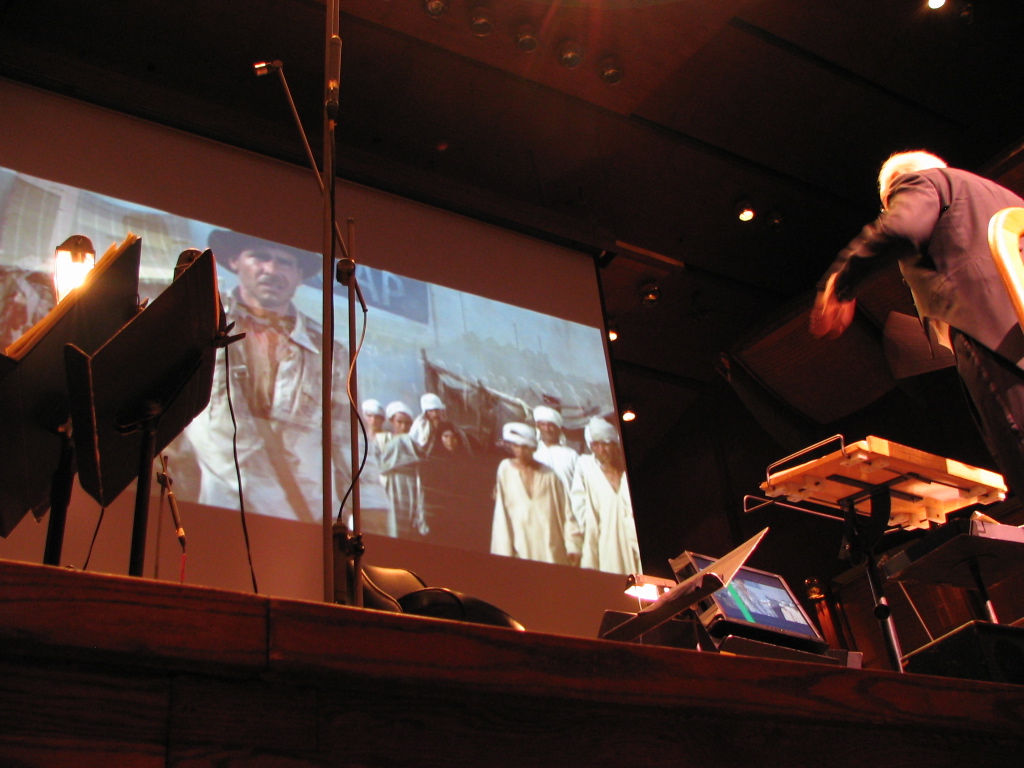
Williams favors a large symphonic palette and often uses leitmotifs — short musical ideas tied to characters, places, or concepts — to give films emotional and structural coherence. His scores are notable for strong melodic construction, clear orchestration, and a neoclassical harmony influenced by earlier film and late-Romantic composers. He writes for full orchestra and frequently employs brass fanfares, sweeping strings, and distinctive rhythmic patterns to create drama and identity.
Career development and collaborations
Williams began his professional life in mid-20th-century American music as a performer and studio musician before focusing on composition and conducting. He developed long-term creative partnerships that shaped his public profile, most famously with directors who sought orchestral, thematic scores to match large-scale storytelling. These collaborations helped bring his music to global audiences and reinforced the role of the symphonic score in mainstream filmmaking.
Selected film scores
- Star Wars — an instantly recognizable main theme and multiple motifs woven across films
- Superman — heroic fanfares and memorable brass themes
- Jaws — suspenseful two-note motif that became synonymous with danger
- Jaws 2 — continuation and development of the original motifs
- Indiana Jones — rousing adventure themes and period stylings
- Home Alone and Home Alone 2: Lost in New York — whimsical and heartfelt scoring for family comedies
- Jurassic Park and The Lost World: Jurassic Park — themes conveying wonder and danger
- Harry Potter and the Philosopher's Stone, Harry Potter and the Chamber of Secrets, and Harry Potter and the Prisoner of Azkaban — magical motifs and school-based leitmotifs
Recognition and broader influence
Williams has received significant critical and institutional recognition. His film music has won numerous industry awards and nominations, and his themes are frequently heard in concert halls, on radio, and in popular media. Beyond film, he has served in prominent conducting roles and contributed to ceremonial and televised events, helping to keep orchestral music visible to broad audiences.
Legacy and notable facts
Williams's music is often studied for its craftsmanship in theme writing and orchestration. His ability to write accessible yet sophisticated themes has shaped expectations for cinematic scoring and influenced generations of composers. Performances of his work regularly appear in film music festivals and symphonic seasons, ensuring his melodies continue to be experienced both in cinemas and on the concert stage.
For further reading and credits, see dedicated filmography and biographical resources: biographical overview, conducting and recordings, and individual score pages such as Star Wars and Jaws.
Questions and answers
Q: Who is John Towner Williams?
A: John Towner Williams is an American composer and conductor.
Q: What type of movies has John Towner Williams composed soundtracks for?
A: He has composed soundtracks for many blockbuster movies such as Star Wars, Superman, Jaws, Jaws 2, Indiana Jones, Home Alone, Home Alone 2: Lost in New York, Jurassic Park, The Lost World: Jurassic Park, Harry Potter and the Philosopher's Stone, Harry Potter and the Chamber of Secrets, Harry Potter and the Prisoner of Azkaban, and Lincoln.
Q: How old is John Towner Williams?
A: John Towner Williams was born on February 8, 1932, making him 89 (as of 2021).
Q: What is John Towner Williams known for?
A: John Towner Williams is known for his compositions and conducting work in the movie industry, particularly in blockbuster movies.
Q: What are some of the well-known movies that John Towner Williams has composed for?
A: Some of the well-known movies that John Towner Williams has composed for include Star Wars, Harry Potter, Jurassic Park, Home Alone, and Jaws.
Q: In what industries has John Towner Williams worked?
A: John Towner Williams has worked in the movie industry as a composer and conductor.
Q: What are some of the most popular movies that John Towner Williams has composed soundtracks for?
A: Some of the most popular movies that John Towner Williams has composed soundtracks for are Star Wars, Harry Potter, and Jurassic Park.
Related articles
Author
AlegsaOnline.com John Williams (American composer and conductor) Leandro Alegsa
URL: https://en.alegsaonline.com/art/122705
Sources
- revistaesfinge.com : "John Williams, el compositor de la aventura"
- washingtonpost.com : washingtonpost.com/wp-dyn/content/article/2008/12/17/AR2008121702419.html
- cbsnews.com : "John Williams returning for next "Star Wars""
- oscars.org : Official Academy Awards Database
- bmi.com : "BMI Film/Awards:1999"