
John Taverner (c.1490–1545): leading English composer of the Tudor era
John Taverner, active c.1490–1545, was a major English Renaissance composer and organist whose masses and motets influenced Tudor polyphony and the instrumental 'In Nomine' tradition.
Not to be confused with the modern composer Sir John Tavener, John Taverner of the Tudor era is a distinct figure in early 16th‑century English music: he is often judged the most important English church composer of his generation. Sir John Tavener and the earlier Taverner are unrelated musicians separated by centuries.
Image gallery
3 Images
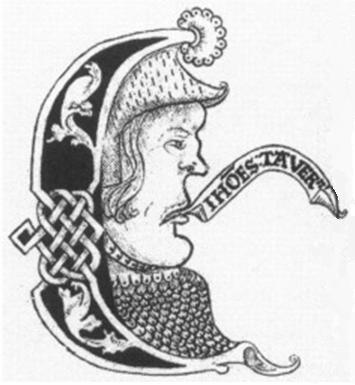

Overview
John Taverner (born about 1490 — died 18 October 1545) was a leading English composer and organist whose surviving works represent the high point of pre‑Reformation English polyphony. His music is characterized by rich vocal textures, clear contrapuntal writing and striking use of cantus firmus and imitation. Although relatively few works survive, his style set a standard for church music in England and contributed material later adapted by instrumentalists.
Life and career
Taverner’s early biography is not certain. Tradition links him with Tattershall in Lincolnshire; he may have served there in his youth or later as a Tattershall singer or a lay clerk. Documentary evidence places him in the household of Cardinal Wolsey at Cardinal College (now Christ Church) in Oxford for a period in the 1520s. During the upheaval of King Henry VIII’s religious reforms, Taverner’s name appears in anecdotal accounts of resistance to changes in worship; one story relates that he concealed books proscribed by the authorities. By about 1530 he had returned to Lincolnshire, where he lived out his life and, according to some records, accumulated modest wealth. After that date there is little firm evidence of new compositions.
Music, style and influence
Taverner wrote chiefly liturgical music for voices: masses, service settings, motets and Magnificats. His approach shows the hallmarks of mature Tudor polyphony — expanded textures, expressive use of harmonic space and skillful handling of text. He employed several compositional procedures common in the period: the use of a pre‑existing tune as a cantus firmus, paraphrase of melodic material, and imitative counterpoint. These devices allowed him to create music that was both devotional and architecturally coherent.
Works and notable pieces
- Surviving records attribute eight masses to Taverner; among the best known are the Missa Western Wynde (a parody or cantus‑firmus mass based on a popular melody) and the Missa Gloria tibi Trinitas. The latter contains a Benedictus section whose phrase “in nomine” spawned a long instrumental tradition.
- The phrase and melodic fragment from the Benedictus of Gloria tibi Trinitas became the basis for the English instrumental genre called the In Nomine, a consort piece widely written by later composers.
- Taverner also composed motets, Magnificats and other service music intended for cathedral choirs and collegiate chapels.
Although the total surviving output is modest compared with some continental composers, Taverner’s works were highly regarded by his contemporaries and by succeeding generations. His masses circulated in manuscript and were copied by choirs and instrumentalists; the melodic material he used continued to be reworked into instrumental consort pieces throughout the 16th and 17th centuries.
Legacy
Taverner’s reputation rests on the technical mastery and expressive power of his sacred music. Modern performers and scholars study and perform his masses and motets as important examples of English Renaissance church music. His influence is most evident in the prevalence of the In Nomine genre and in the way later English composers adopted the dense but clear contrapuntal writing he exemplified. For listeners exploring Tudor music today, Taverner offers a direct link to the liturgical and musical world that preceded the full impact of the English Reformation.
Further reading and recordings can be found through specialized music libraries and modern editions; for introductory resources and recordings search reputable music catalogues and academic collections. Compare the older Taverner with the later composer who shares a similar name to avoid confusion.
Questions and answers
Q: Who was John Taverner?
A: John Taverner (born about 1490 – died 18 October, 1545) was the most important English composer of his time. He was also an organist.
Q: Where did he work?
A: He got a job at Cardinal College (now called Christ Church) in Oxford but he could not stay very long because King Henry VIII made lots of changes to the way people had to worship in church. In 1530 he seems to have gone back to Lincolnshire and stayed there for the rest of his life.
Q: What type of music did he compose?
A: Taverner composed eight masses, magnificats and motets. The most famous mass is called the Western Wynde which was a “parody mass”, using a popular tune with that title. Another mass was called Gloria tibi trinitas which set a fashion for pieces which were called In Nomines, using the tune from the Benedictus in the mass setting words “in nomine domine” (“in the name of the Father”).
Q: Was there any trouble with King Henry VIII?
A: Yes, Taverner even hid some books which King Henry VIII had forbidden under the floor, and he got into trouble for doing this. However, in the end Cardinal did not punish him because, he said, he was “only a musician”.
Q: Was John Taverner born at Tattershall church?
A: We cannot be sure exactly when Taverner was born but some people think that he may have been a boy chorister at Tattershall church in Lincolnshire however his name does not appear on their list of choristers so it is thought that perhaps later worked there as lay clerk instead.
Q: Did John Taverner write any more music after returning to Lincolnshire?
A: It is believed that after returning to Lincolnshire in 1530 he probably wrote no more music but remained quite wealthy until his death in 1545.
Related articles
Author
AlegsaOnline.com John Taverner (c.1490–1545): leading English composer of the Tudor era Leandro Alegsa
URL: https://en.alegsaonline.com/art/122675