
John Sulston
British biologist John Sulston (1942–2018) won the 2002 Nobel Prize for discoveries in development and programmed cell death, led the Wellcome Sanger Institute and championed open, ethical genomics.
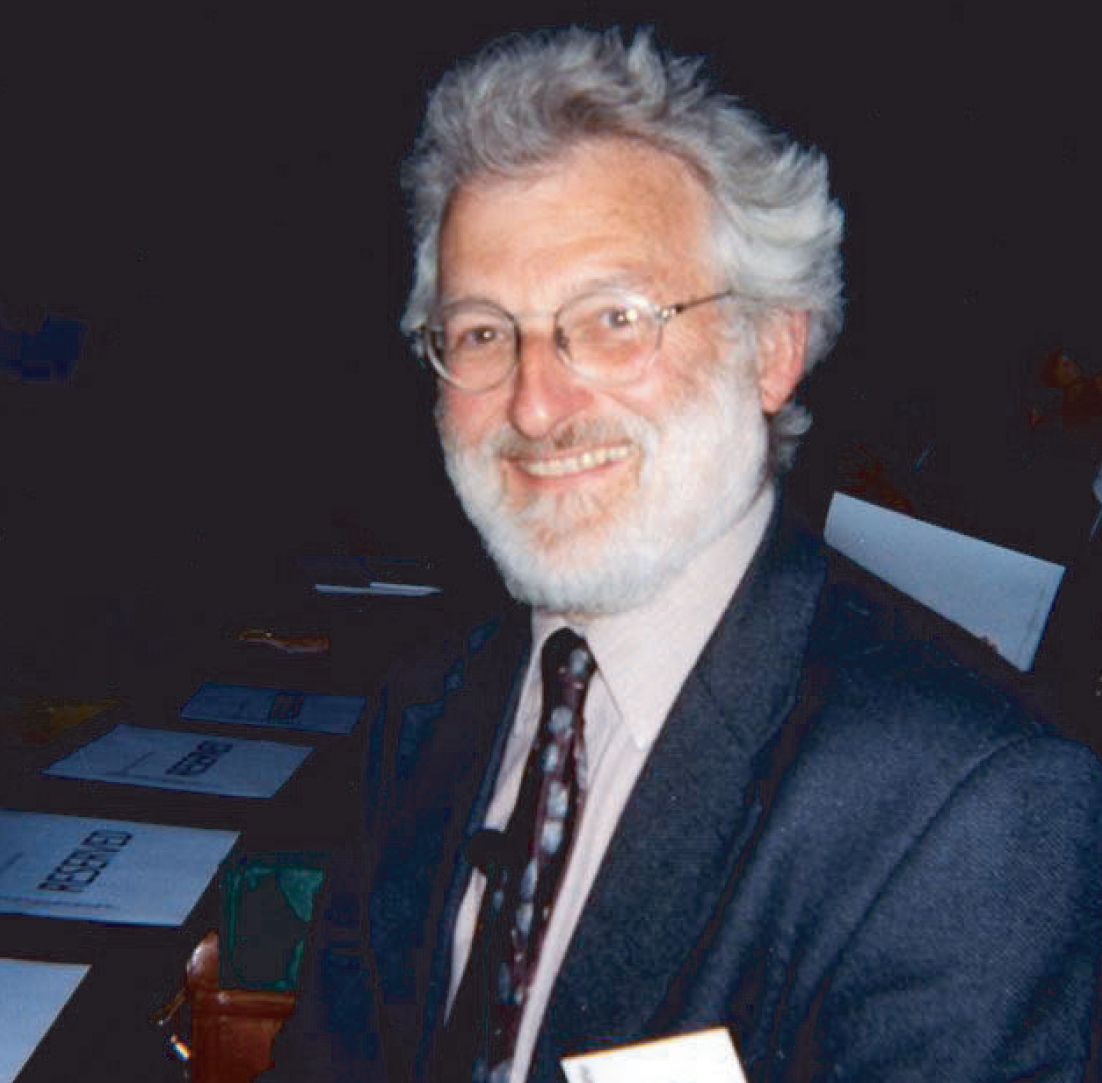
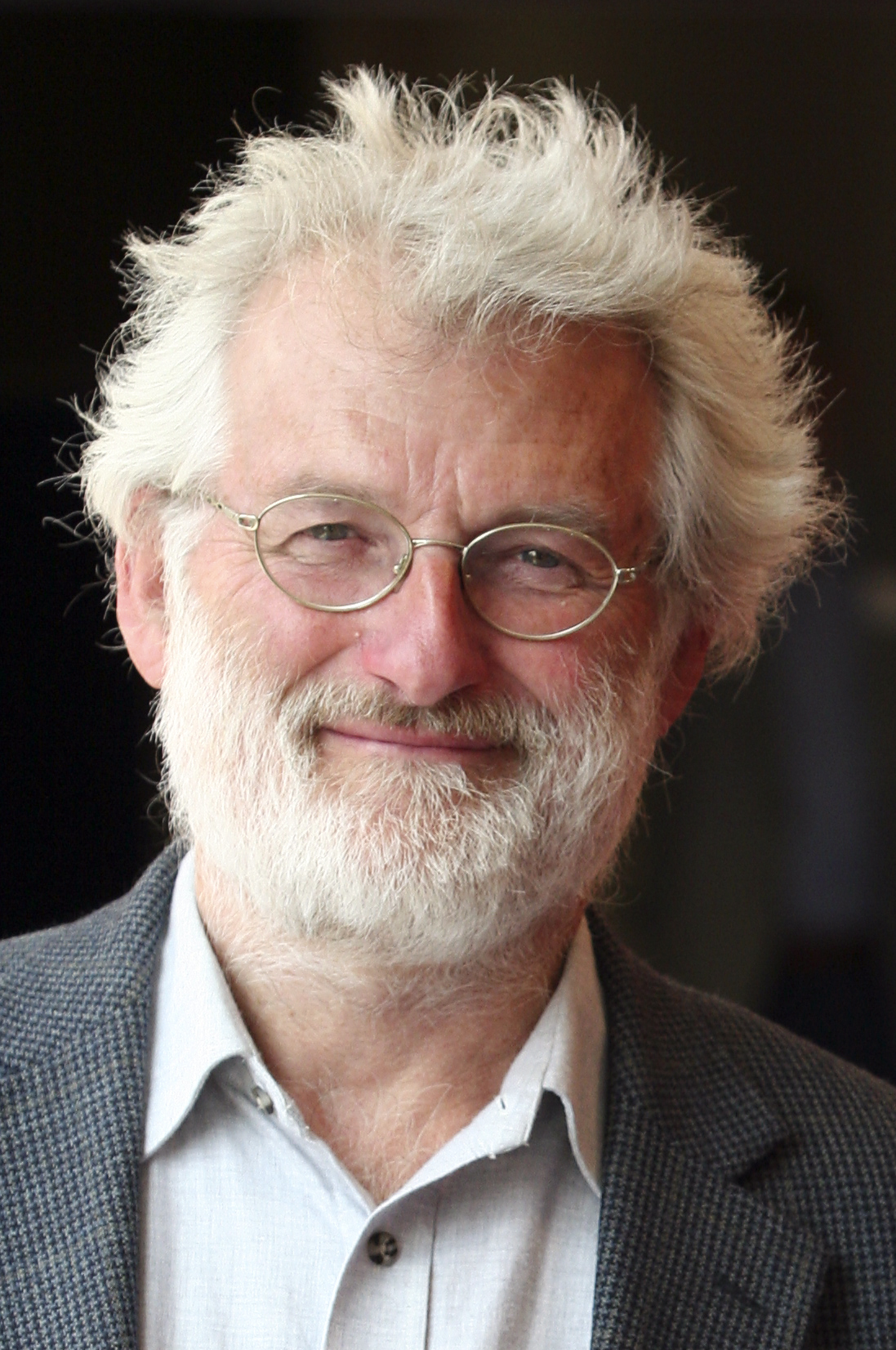
John Edward Sulston (27 March 1942 – 6 March 2018) was a British biologist whose laboratory research and public advocacy shaped modern genomics. He is best known as a co-recipient of the 2002 Nobel Prize in Physiology or Medicine and as the founding director of the sequencing centre that became the Wellcome Sanger Institute. His work combined meticulous experimental mapping of development with a strong commitment to science policy and data sharing.
Image gallery
5 Images


Scientific work and discoveries
Sulston made seminal contributions using the nematode Caenorhabditis elegans as a model organism. His team produced a complete cell lineage map for the worm and identified genes and pathways that control organ development and programmed cell death (apoptosis). These findings clarified how genetic programs guide cell fate and contributed to the award of the Nobel Prize, shared with Sydney Brenner and H. Robert Horvitz, for discoveries about genetic regulation of organ development and programmed cell death.
Role in sequencing and genomics
As director of the Sanger sequencing centre, Sulston assembled one of the world’s largest public genome sequencing efforts. He played a prominent role in the Human Genome Project era, organizing high-throughput sequencing and promoting the rapid public release of DNA sequence data. He was an advocate for policies that favored open access to genomic information and opposed restrictive patents on gene sequences, helping to define norms for data release and collaboration.
Ethics, public engagement and later career
Beyond the laboratory, Sulston engaged in ethical and political debates about genetics, medicine and technology. He served as chair of an institute for science, ethics and innovation at the University of Manchester (University of Manchester) and wrote and spoke widely on the social implications of genomic research. He argued for transparency, equitable benefit from medical advances, and public involvement in science policy.
Honors and legacy
Sulston was a Fellow of the Royal Society and was knighted for his services to science. In addition to the Nobel Prize, his career is remembered for bridging rigorous basic research with practical leadership in large-scale genomics and for persistent advocacy of publicly available data. He was among Nobel laureates who added their voices to global sustainability and ethical initiatives such as the Stockholm memorandum.
- Major contributions: C. elegans cell lineage mapping, insights into apoptosis, leadership of large-scale sequencing efforts.
- Advocacy: support for open data, resistance to gene patenting, engagement in science ethics.
- Institutional impact: founding direction of the Sanger sequencing centre and public-policy leadership.
Questions and answers
Q: Who was John Sulston?
A: John Sulston was a British biologist and the first Director of the Wellcome Sanger Institute.
Q: When was John Sulston born?
A: John Sulston was born on March 27, 1942.
Q: Did John Sulston win the Nobel Prize in Physiology or Medicine?
A: Yes, John Sulston was a joint winner of the 2002 Nobel Prize in Physiology or Medicine.
Q: What was John Sulston's role at the University of Manchester?
A: John Sulston was the Chair of the Institute for Science, Ethics and Innovation at the University of Manchester.
Q: What did John Sulston sign at the Nobel Laureate Symposium on Global Sustainability in Stockholm?
A: John Sulston was one of the 20 Nobel laureates who signed the "Stockholm memorandum" at the 3rd Nobel Laureate Symposium on Global Sustainability in Stockholm.
Q: When did John Sulston pass away?
A: John Sulston passed away on March 6, 2018.
Q: How many Nobel laureates signed the Stockholm memorandum along with John Sulston?
A: Along with John Sulston, 20 Nobel laureates signed the "Stockholm memorandum" at the 3rd Nobel Laureate Symposium on Global Sustainability in Stockholm.
Related articles
Author
AlegsaOnline.com John Sulston Leandro Alegsa
URL: https://en.alegsaonline.com/art/122672
Sources
- isei.manchester.ac.uk : iSEI
- ls.manchester.ac.uk : University of Manchester
- nobel-cause.de : "Stockholm Memorandum,"
- theguardian.com : Sir John Sulston, pioneering genome scientist, dies aged 75