
John Snow: Pioneer of Epidemiology and Anaesthesia
English physician John Snow (1813–1858) traced a cholera outbreak to contaminated water, helped reform urban sanitation, and advanced anaesthetic practice — foundational figure in modern public health.
Overview
John Snow (15 March 1813 – 16 June 1858) was an English physician and clinical investigator who made lasting contributions to both anaesthesia and public health. Trained as a surgeon and later a physician, he worked directly with patients and with public authorities to reduce disease. His clinical work included pioneering use of inhaled anaesthetics and practical measures to improve medical hygiene. Snow is widely regarded as one of the founders of modern epidemiology.
Image gallery
10 Images




Life and career
Snow began his medical career in the late 1830s. He worked at Westminster Hospital beginning in 1837, was admitted as a member of the Royal College of Surgeons on 2 May 1838, and later graduated from the University of London in December 1844. In 1850 he was admitted to the Royal College of Physicians. During his clinical practice he developed a reputation for careful observation, detailed note‑keeping, and an interest in the causes of disease beyond individual patients.
Cholera investigation and methods
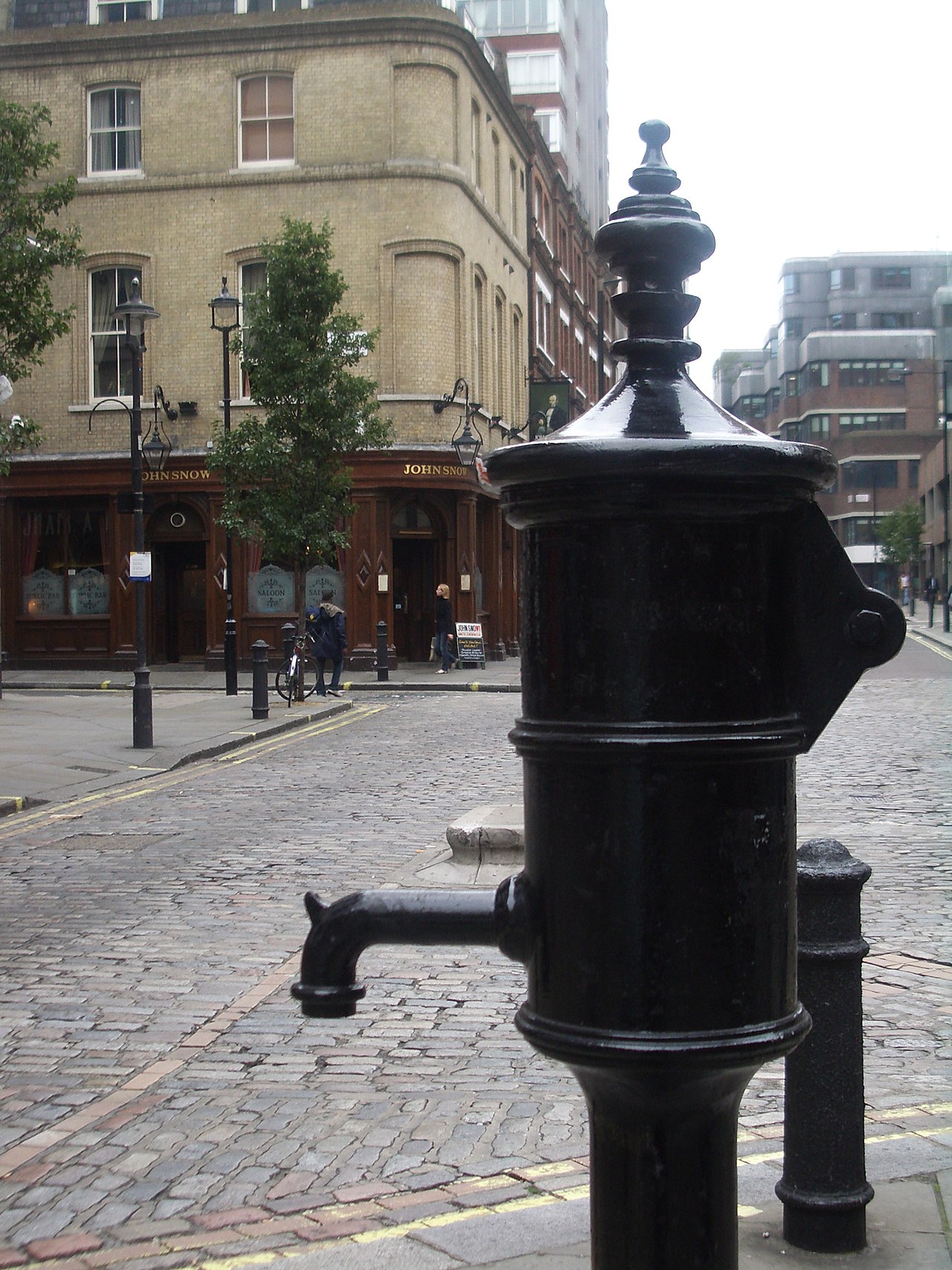
Snow is best known for his investigation of a severe cholera outbreak in the Soho district of Soho, London, in 1854. By collecting case data, interviewing residents, and mapping the locations of cases, he showed a strong association between illness and drinking water from a particular public pump. His recommendation to remove the pump handle is a famous example of applying local evidence to prevent further cases.
Contributions and impact
Snow's work helped shift thinking away from dominant miasma theories toward recognition that contaminated water could transmit disease. His findings influenced improvements to urban water and sewage systems in London and beyond, and contributed to broader advances in public health. He also advanced anaesthesia by studying the effects and delivery of chloroform and ether, advising on safe methods for their clinical use.
Techniques, legacy and notable facts
Snow used methods that are familiar today: systematic case collection, spot maps, comparison of exposure histories, and careful reasoning about causation. While some contemporaries resisted his conclusions, later sanitary reforms and epidemiological practice validated many of his ideas. He is commemorated in medical histories, public memorials, and as an exemplar of evidence‑based investigation.
- Notable techniques: case mapping, exposure tracing, natural experiment thinking.
- Public health effects: influenced municipal engineering and sanitary reform.
- Clinical contributions: early use and analysis of inhaled anaesthetics, promotion of safer practice.
Snow's combination of clinical experience and attention to population patterns remains a foundation for modern outbreak investigation. His Soho study is often taught as an early and clear application of field epidemiology: observing, hypothesizing, and acting to protect the community. For further reading on his life, practice, and the 1854 incident, consult historical summaries and public health retrospectives available through archival and educational resources (physician profile, epidemiology overview, cholera history).
Key primary institutions associated with his career and recognition include the Royal College of Physicians, surgical colleges, and the University of London. His example continues to inform debates about environmental determinants of health, the design of sanitation systems, and the responsible introduction of medical technologies.
For contextual exploration of 19th‑century urban health and the technical changes that followed Snow's work, see resources on municipal engineering, sanitary reform, and historical epidemiology (water and sewage, public health). Additional archival materials and summaries can be located via institutional and national history collections (Soho case study, London medical history, anaesthesia history).
Questions and answers
Q: Who was John Snow?
A: John Snow was an English physician.
Q: What did John Snow use in medicine?
A: John Snow used anesthesia and medical hygiene in his practice.
Q: Why is John Snow considered a founder of modern epidemiology?
A: John Snow traced the source of a cholera outbreak in Soho, London, in 1854, which led to changes in water and sewage systems not only in London but in other cities as well. His findings caused a great improvement in general public health around the world.
Q: When did John Snow start working at the Westminster Hospital?
A: John Snow began working at the Westminster Hospital in 1837.
Q: When was John Snow admitted as a member of the Royal College of Surgeons of England?
A: John Snow was admitted as a member of the Royal College of Surgeons of England on 2 May 1838.
Q: When did John Snow graduate from the University of London?
A: John Snow graduated from the University of London in December 1844.
Q: When was John Snow admitted to the Royal College of Physicians?
A: John Snow was admitted to the Royal College of Physicians in 1850.
Tags
Related articles
Author
AlegsaOnline.com John Snow: Pioneer of Epidemiology and Anaesthesia Leandro Alegsa
URL: https://en.alegsaonline.com/art/122659
Sources
- ph.ucla.edu : ph.ucla.edu
- sciencemuseum.org.uk : John Snow (1813–58)
- ph.ucla.edu : "Anesthesia and Queen Victoria"
- ph.ucla.edu : On the inhalation of the vapor of ether