
John Singer Sargent: Life, Style, and Legacy of a Leading Portrait Painter
Overview of John Singer Sargent (1856–1925): biography, artistic style, major works and controversies, travels and productivity, and his influence on portraiture and watercolor.
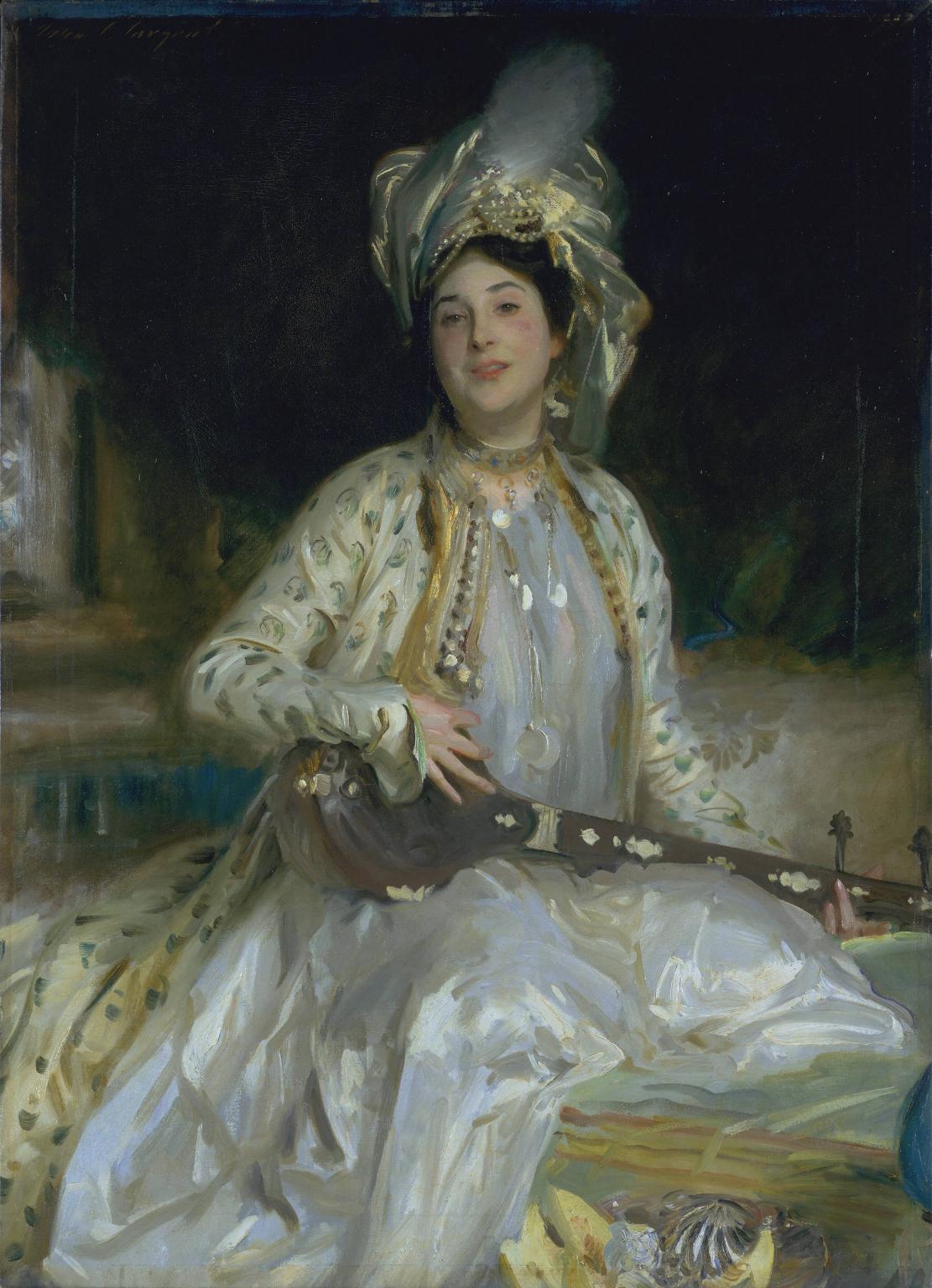
John Singer Sargent (January 12, 1856 – April 14, 1925) was an internationally prominent American artist best known for the confidence and fluency of his portraits. Born to American parents abroad, Sargent trained in France and settled in Britain for most of his life, becoming the preferred portraitist of wealthy and influential sitters across Europe and the United States. He produced an exceptionally large and varied body of work that includes oils, watercolors and numerous sketches and charcoal drawings.
Image gallery
10 Images




Early life and training
Sargent grew up in an international environment and received his early artistic education in Paris, where he was influenced by academic training and modern tendencies alike. He studied with prominent teachers of the time and absorbed lessons from the Old Masters while engaging with contemporary French art at institutions and studios in Paris. These combined influences shaped his technical command and his capacity to balance finish with painterly freedom.
Style, technique and subjects
Sargent's portraits are marked by economical, expressive brushwork and a command of light and surface. He worked primarily in oil for formal commissions but also painted prolifically in watercolor, executing landscapes, travel scenes and informal studies en plein air. While the precision of his draughtsmanship shows his academic background, his handling of paint reflects an awareness of Impressionist practice: loose passages that convey texture and atmosphere without overwriting form. This synthesis made his sitters appear vivid and immediate while retaining an elegant compositional restraint.
Major works, controversies and public reception
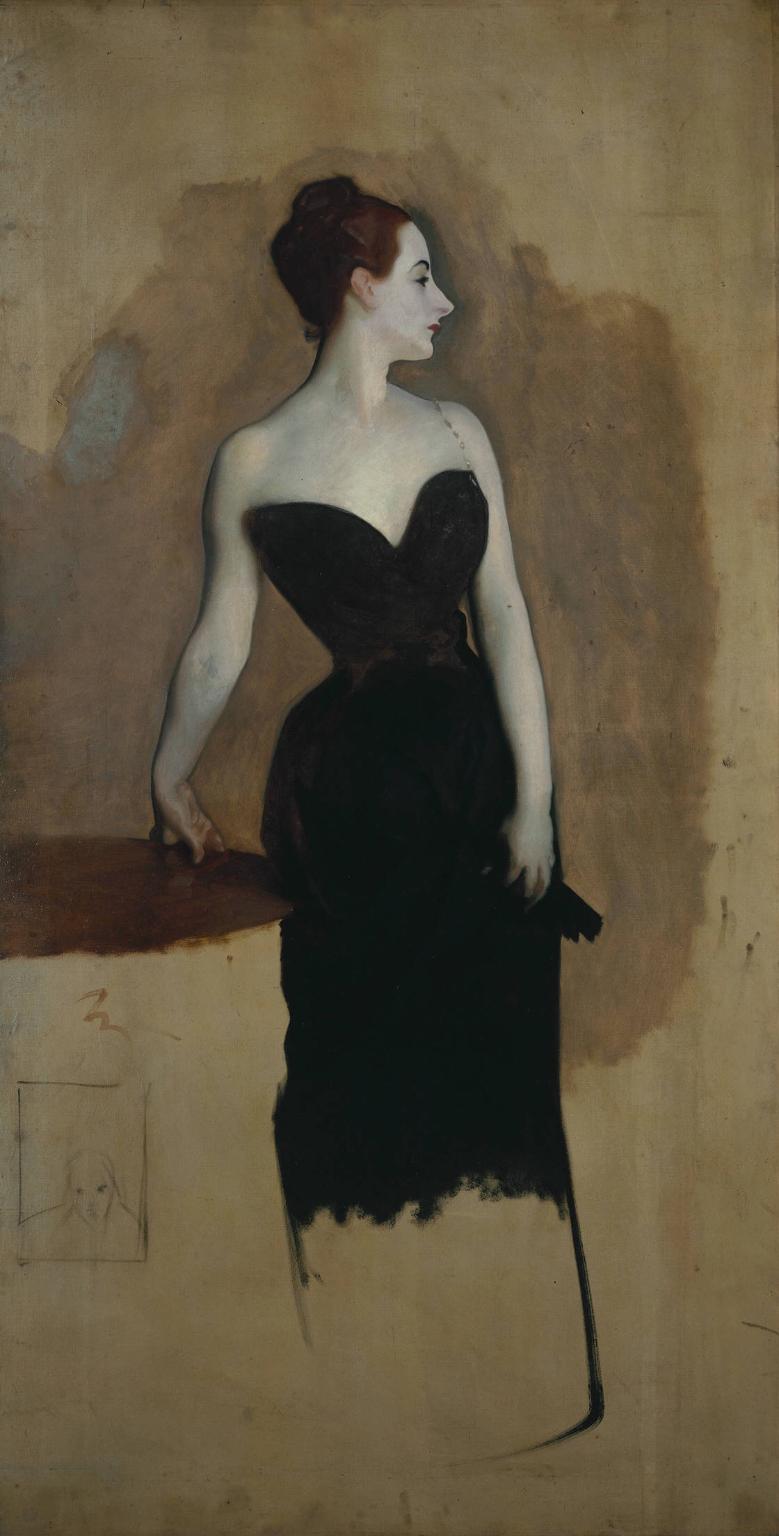
Among Sargent's most discussed paintings is the so-called "Portrait of Madame X," a depiction that caused scandal when first exhibited because of its modern pose and revealing costume detail; the controversy affected his reputation in certain Parisian circles and contributed to his relocation toward a London-based clientele. Despite that early uproar, he remained the leading portrait painter of his generation, producing striking likenesses of statesmen, writers and social figures. He also painted fellow artists — including a notable portrait of Claude Monet — and explored themes seen in Spanish painting after studying Velázquez during his travels.
Travel, productivity and range
Sargent was a tireless traveler whose journeys informed a wide range of subject matter. Over the course of his career he completed roughly nine hundred oil paintings and more than two thousand watercolors, in addition to abundant studies and charcoal work. He worked across Europe, North Africa and North America, and his itinerant practice fuelled both the variety of his subjects and the agility of his technique. He retained his citizenship and returned to the United States on several occasions, though he made his principal home in London.
Legacy and distinctions
Sargent's influence endures through his capacity to renew portraiture for a modern age: his paintings combine psychological insight with painterly bravura. Beyond portraits, his watercolors and travel scenes helped broaden the scope of the medium and demonstrated how immediate observation could coexist with compositional sophistication. Curators and critics continue to study his technique, his handling of society and private subjects, and his balance between academic skill and modern sensibility. For further general information and museum references consult standard art-historical resources and collections that feature his work, such as those listed by major institutions and catalogues raisonnés (parents and nationality, training, draftsmanship, American identity, career overview).
- Notable works: Portrait of Madame X; Portrait of Claude Monet; numerous society portraits and watercolors.
- Practices: Oil portraiture, watercolor landscapes, plein-air studies, charcoal sketches.
- Residences: Born abroad to American parents, trained in Paris, long-term residence in London.
For a concise introduction to Sargent's life and to find images and catalog entries, see institutional overviews and museum catalogues that present his work and its historical context (citizenship and travel, portrait practice, artistic achievements). Researchers seeking primary documents and comprehensive lists of works should consult specialized catalogues and archival holdings in libraries and museums.
Questions and answers
Q: Who was John Singer Sargent?
A: John Singer Sargent was an American artist known for being the leading portrait painter of his time.
Q: How many oil paintings did John Singer Sargent create during his career?
A: John Singer Sargent created about 900 oil paintings during his career.
Q: Where was John Singer Sargent trained?
A: John Singer Sargent was trained in Paris.
Q: What was the "Portrait of Madame X"?
A: The "Portrait of Madame X" was a painting by John Singer Sargent that caused scandal due to the subject's supposed loose sexual behavior.
Q: What did John Singer Sargent adopt from the Impressionists?
A: John Singer Sargent adopted the Impressionists' habit of painting en plein-air.
Q: Did John Singer Sargent ever visit his home country, the United States?
A: Yes, John Singer Sargent visited the United States four times during his life.
Q: Where did John Singer Sargent live until the end of his life?
A: John Singer Sargent lived in London until the end of his life.
Related articles
Author
AlegsaOnline.com John Singer Sargent: Life, Style, and Legacy of a Leading Portrait Painter Leandro Alegsa
URL: https://en.alegsaonline.com/art/122655
Sources
- tfaoi.com : New Orleans Museum of Art