
John Ostrom: Paleontologist Who Reconnected Birds and Dinosaurs
John H. Ostrom (1928–2005) was an American paleontologist whose research on theropods and Archaeopteryx revived the idea that birds are living dinosaurs and helped launch the modern 'dinosaur renaissance'.
Overview
John Harold Ostrom (February 18, 1928 – July 16, 2005) was an American paleontologist best known for renewing scientific interest in the evolutionary link between birds and dinosaurs. His studies of agile theropod dinosaurs and detailed reexaminations of the primitive bird Archaeopteryx challenged the long-standing view that dinosaurs were sluggish, lizard-like reptiles and helped to inspire what is often called the "dinosaur renaissance." For a concise biography and career summary see biographical sources.
Image gallery
4 Images


Key discoveries and arguments
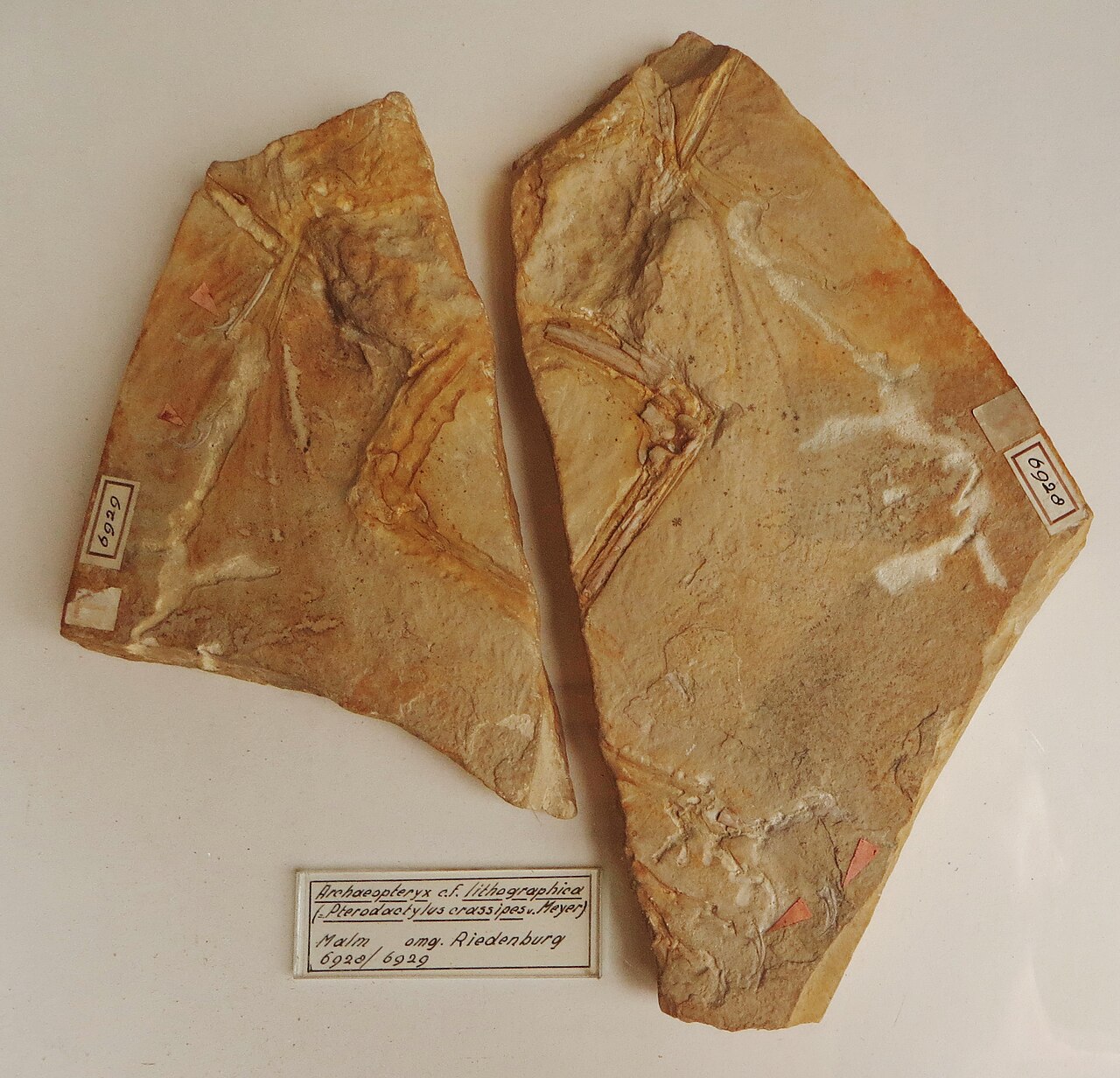
In the late 1960s Ostrom described and promoted the significance of Deinonychus, a swift, sickle-clawed theropod that displayed many features more bird-like than reptilian. This work revived an old hypothesis first proposed by Thomas Henry Huxley in the 19th century — that birds evolved from dinosaurs — which had been largely set aside after early 20th-century reassessments. Ostrom's papers on the osteology and phylogeny of Archaeopteryx and other forms, including his influential review published in 1976, argued for a close relationship between certain theropods and avian anatomy (osteology, phylogeny).
Anatomical evidence and interpretation
Ostrom emphasized a suite of anatomical traits shared by birds and some theropods: a lightly built, bird-like skeleton, hollow bones, and specialized wrist and pelvic structures. These comparisons led him to propose that many small theropods were active, possibly warm-blooded predators rather than slow, cold-blooded "saurians" (lizards). His interpretation influenced later ideas about dinosaur metabolism, locomotion, and behavior, and provided a framework for interpreting newly discovered fossils.
Impact and later confirmations
Beginning in the late 20th and early 21st centuries, discoveries of feathered theropods and other bird-like dinosaurs, particularly from sites in China, gave robust fossil evidence that supported Ostrom's proposals; these finds are often referred to collectively as the Chinese "dinobirds" (Chinese dinobirds). As a result, the Huxley–Ostrom view is now the dominant explanation among paleontologists for the origin of birds. Public perceptions of dinosaurs — from lumbering monsters to dynamic animals with complex behavior — were also reshaped by this research.
Academic role and collections
Ostrom served as a professor of paleontology at Yale University and was Curator Emeritus of Vertebrate Paleontology at the Peabody Museum of Natural History. Under his curatorship, the museum's collections — founded in part through the work of 19th-century paleontologists such as Othniel Charles Marsh — continued to support research, teaching, and public exhibits that reflected evolving scientific views.
Legacy and final years
Ostrom's influence extended through his publications, his students, and the debates he stimulated about dinosaur biology; colleagues and subsequent workers, such as those who popularized active, endothermic interpretations of dinosaurs, acknowledged his central role. Late in life he suffered from complications related to Alzheimer's disease and died in 2005. For historical context on competing hypotheses — for example, why Huxley's early idea fell out of favor after the early 20th century — readers can consult summaries about the dispute with earlier authorities such as Heilmann and discussions comparing Compsognathus and other taxa. Additional resources and primary literature can be found through museum pages and specialized reviews (theropod–bird research, Huxley, osteological studies).
- Notable topics: Deinonychus discovery, Archaeopteryx reassessment, dinosaur endothermy, dinosaur renaissance.
- Associated institutions: Yale University (Yale), Peabody Museum.
- Further reading: museum catalogs, modern reviews of feathered dinosaurs and theropod phylogeny (phylogeny reviews, Chinese dinobird reports).
Questions and answers
Q: Who was John Harold Ostrom?
A: John Harold Ostrom was an American Paleontologist.
Q: What did Ostrom discover about dinosaurs in the 1960s?
A: In the 1960s, Ostrom showed that dinosaurs are more like big non-flying birds than they are like lizards or "saurians".
Q: Who had the idea that birds evolved from dinosaurs, and when?
A: Thomas Henry Huxley had the idea that birds evolved from dinosaurs in the 1860s.
Q: Why was Huxley's idea discarded?
A: Huxley's idea was later discarded mainly because Heilmann, in 1926, had different views.
Q: What did Ostrom review in 1976?
A: In 1976, Ostrom reviewed the osteology and phylogeny of the primitive bird Archaeopteryx.
Q: What happened when dinobirds were discovered in China?
A: After the modern discoveries of fossil dinobirds in China, the Huxley-Ostrom theory was accepted by almost all paleontologists.
Q: Which institution did Ostrom work for, and what was his role there?
A: Ostrom was a professor at Yale University, and he was the Curator Emeritus of vertebrate paleontology at the Peabody Museum of Natural History, which has an impressive fossil collection started by Othniel Charles Marsh.
Related articles
Author
AlegsaOnline.com John Ostrom: Paleontologist Who Reconnected Birds and Dinosaurs Leandro Alegsa
URL: https://en.alegsaonline.com/art/122611
Sources
- articles.courant.com : At last, his theory flies
- ucmp.berkeley.edu : Dromaeosauridae · web.archive.org