
John Maynard Keynes
British economist whose ideas on aggregate demand and government policy reshaped modern macroeconomics and informed 20th‑century fiscal policy and economic thought.
Overview
John Maynard Keynes (5 June 1883 – 21 April 1946) was a prominent British public figure and an influential economist. His work, collectively known as Keynesian economics, argued that active policy — especially fiscal policy — can stabilise output and employment when private demand is weak. For a concise biographical summary see his life and career.
Image gallery
10 Images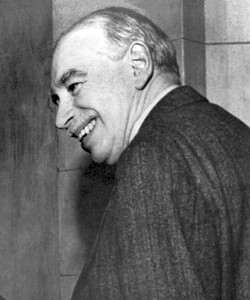


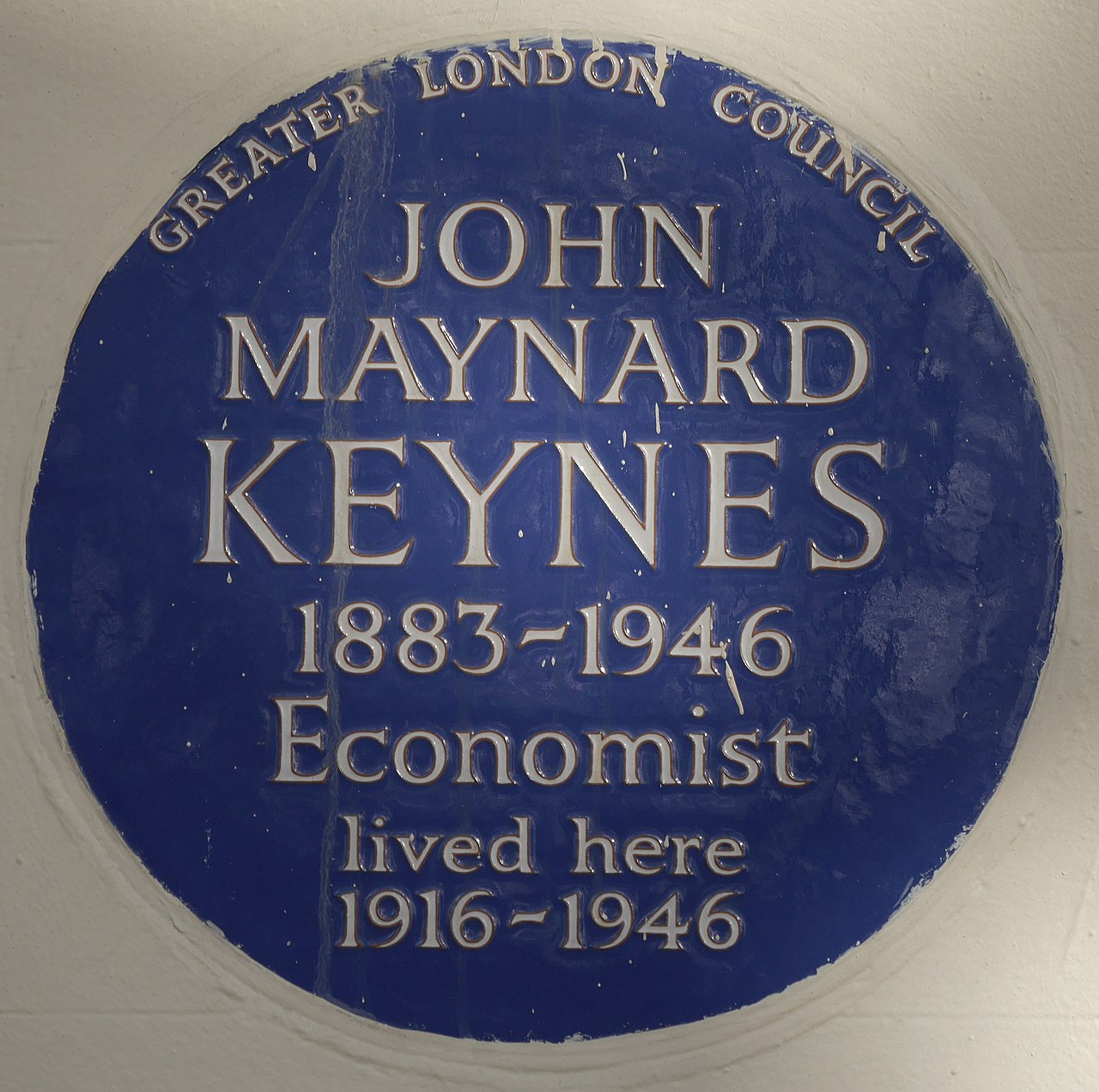


Core ideas
Keynes emphasised aggregate demand as the chief driver of short‑term economic performance. He proposed that when households and firms cut spending, governments should step in with public expenditure or tax changes to restore demand. These prescriptions influenced the development of modern macroeconomics and created practical tools for addressing unemployment and slow growth.
Key concepts and mechanisms
- Fiscal stimulus: increased government spending or tax reductions to boost demand.
- Multiplier effect: the idea that initial spending can generate additional rounds of income and consumption.
- Counter‑cyclical policy: using policy to dampen recessions (recessions) and moderate expansions or booms.
- Crisis response: tools intended to prevent prolonged downturns or severe depressions.
History and influence
Keynes wrote during the interwar period and the Great Depression, when classical theories appeared insufficient to explain persistent unemployment. His proposals informed mid‑20th century policy-making, the design of welfare and employment programs, and debates that shaped international arrangements after World War II. Governments adopted Keynesian ideas in varying degrees, adapting them to national institutions and changing economic conditions.
Criticism and legacy
Keynesian prescriptions have been challenged by critics who emphasise long‑run market adjustments, price rigidity, or the risks of inflation and large public debt. From the late 20th century onward, economists integrated Keynesian insights with microeconomic foundations to form new schools that preserve core insights about demand while addressing earlier criticisms. Today, Keynes remains a central reference in debates over fiscal policy, unemployment and economic stabilization.
For further reading and specialised discussions, consult introductory syntheses and historical treatments available through academic and public resources: recession policy, depression studies, and broader entries on macroeconomic theory and Keynesian thought.
Questions and answers
Q: Who was John Maynard Keynes?
A: John Maynard Keynes was a British economist who is one of the fathers of modern theoretical macroeconomics.
Q: What are Keynesian economics?
A: Keynesian economics are the ideas put forward by John Maynard Keynes, which had a big impact on modern economic and political theory.
Q: How did his ideas affect governments' policies?
A: His ideas had a big impact on many governments' tax and economic policies.
Q: What did he suggest to stop the effects of economic recessions, depressions and booms?
A: He suggested that governments should use tax and banking measures to stop the effects of economic recessions, depressions and booms.
Q: What is macroeconomics?
A: Macroeconomics is an area of economics that looks at overall trends in the economy such as inflation, unemployment, GDP growth etc.
Q: When was John Maynard Keynes born?
A: John Maynard Keynes was born on 5 June 1883.
Q: When did he die? A: He died on 21 April 1946.
Related articles
Author
AlegsaOnline.com John Maynard Keynes Leandro Alegsa
URL: https://en.alegsaonline.com/art/122569