
Johnny Gosch: disappearance of a paperboy and its lasting impact
The 1982 disappearance of 12-year-old paperboy Johnny Gosch from West Des Moines, Iowa, remains unsolved; the case drew national attention, spawned contested claims and heightened focus on child abduction awareness.
Overview
Johnny Gosch was a 12-year-old paperboy who vanished while on his morning newspaper route in West Des Moines. The commonly cited date of his disappearance is September 5, 1982. His case is among the more widely discussed missing-child cases in the United States because of subsequent claims by family members, unverified photographic evidence, and enduring public interest. Investigators concluded early on that he had been taken against his will, and the circumstances around his disappearance have never been fully resolved.
Image gallery
1 Image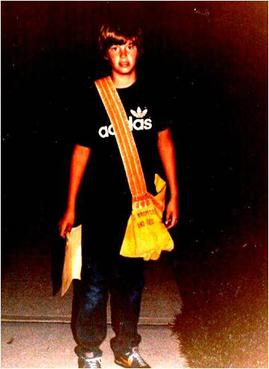
Disappearance and investigation
On the morning he disappeared Johnny was delivering newspapers in a residential area of West Des Moines. He lived with his family in Iowa and was last seen on his usual route. Local police launched an extensive search and interviewed witnesses, but no definitive trail was established. Over the years the investigation gathered leads and public tips, yet authorities have not been able to locate him or produce conclusive evidence about his fate. Law enforcement agencies have treated the matter as an abduction case and listed Johnny as a missing child.
Photographs, family claims and controversy
Decades after the disappearance, Johnny's mother made public statements alleging further developments. She has said that at different times she received photographs and other items she believes are connected to her son, and she has publicly maintained that Johnny later visited her in person but was living under an assumed identity for safety. These accounts have been disputed and have not been independently corroborated by authorities. Some photographs that surfaced were traced to separate cases; others remain unidentified. The family's statements and the mixed evidentiary record have generated controversy, public debate and conspiracy theories about what happened. Investigators and independent reviewers have called for cautious evaluation of such claims in the absence of verifiable forensic confirmation.
Related cases and context
The Gosch disappearance occurred in a period when missing-child cases began to receive greater media attention in the United States. A later disappearance in the same general area of a 13-year-old paperboy, Eugene Martin, drew comparisons and prompted renewed local concern. The resemblance between cases — children taken from routes where they worked alone — contributed to broader discussion about child safety, supervision, and the distribution of missing-person information to the public.
Legacy and significance
The unresolved nature of Johnny Gosch's disappearance has left a complex legacy. For some, it highlighted shortcomings in early investigative practices and the need for improved systems to track and respond to missing-child reports. For the public, media coverage of the case helped raise awareness of abduction risk and the importance of immediate reporting when a child is missing. For the family, the absence of closure has resulted in ongoing advocacy and appeals for information. Critics and supporters alike continue to reference the case when discussing missing children and the limits of memory, evidence, and media in long-term investigations.
Key points
- Johnny Gosch disappeared while delivering newspapers and has not been found.
- Authorities treated the case as an abduction; no confirmation of his fate has been established.
- Photographs and claims surfaced years later; some images were linked to other cases while others remain unidentified.
- The case prompted public discussion about child safety and investigative practices.
- Questions remain, and the case continues to be cited in discussions about missing children and cold-case investigations. For additional background on the local context and reported developments see sources cited by investigators and reporting agencies; some public accounts use the term kidnapped when describing the prevailing investigative conclusion.
Questions and answers
Q: Who is Johnny Gosch?
A: Johnny Gosch was a paperboy from West Des Moines, Iowa who disappeared at the age of 12 while delivering newspapers.
Q: When did Johnny Gosch disappear and what is believed to have happened to him?
A: Johnny Gosch disappeared in the early hours of September 5, 1982 while delivering newspapers. He is believed to have been kidnapped.
Q: What happened to another paperboy named Eugene Martin who disappeared where Johnny Gosch was kidnapped?
A: Another paperboy named Eugene Martin, who was 13 years old, also disappeared where Johnny Gosch was kidnapped.
Q: What did Johnny Gosch's mother receive in the mail in 1997?
A: Johnny Gosch's mother received mail in 1997 showing photos of her kidnapped son and three other boys.
Q: Has Johnny Gosch ever been located or confirmed to be alive?
A: Authorities have not located Johnny Gosch or confirmed his mother's account of his escape and visit in 1997. His fate continues to be the subject of speculation and dispute.
Q: When did Johnny Gosch's case receive publicity again and why?
A: Johnny Gosch's case received publicity again in 2006 when his mother claimed to have found photographs on her doorstep depicting Gosch in captivity. Some of the photos were proven to be children from a case in Florida, but one boy in the photos was never identified.
Q: Does Johnny Gosch's father believe in his wife's account of Johnny's escape and visit?
A: Johnny Gosch's father, John, who has been divorced from Noreen since 1993, has publicly stated that he was not sure whether or not such a visit actually occurred.
Related articles
Author
AlegsaOnline.com Johnny Gosch: disappearance of a paperboy and its lasting impact Leandro Alegsa
URL: https://en.alegsaonline.com/art/122314
Sources
- usatoday.com : "Cleveland case lifts hopes of Iowa mother, other parents"
- globegazette.com : "Gosch case resurfaces"
- johnnygosch.com : The Johnny Gosch Foundation