
Joe Byrne — Lieutenant of the Kelly Gang (1856–1880)
Joe Byrne was a leading member and lieutenant of the Kelly Gang, remembered for his bushcraft, marksmanship and for writing or transcribing the Jerilderie Letter; he was killed at the Glenrowan siege.
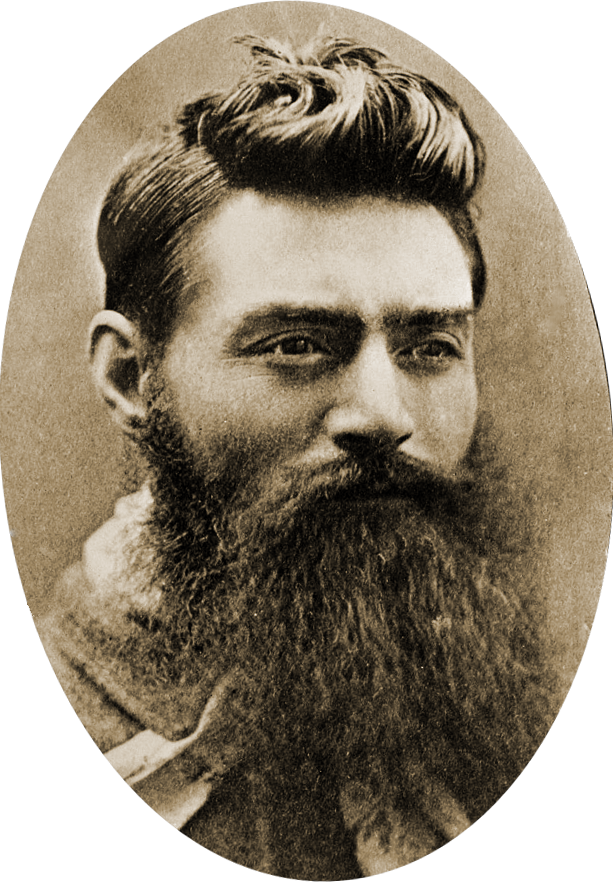
Joseph "Joe" Byrne (born November 1856; died 28 June 1880) was a central figure in the Australian outlaw band known as the Kelly Gang. He is widely described as Ned Kelly's lieutenant and close associate. Byrne combined practical bush skills with a capacity for writing and organisation, qualities that helped shape both the gang's actions and the public record about them. He was killed during the final confrontation at Glenrowan, Victoria, in late June 1880.
Image gallery
6 Images



Background and characteristics
Byrne is remembered for a number of personal abilities that made him valuable to the Kelly Gang: skilled horsemanship, accuracy with firearms, familiarity with the bush and a talent for surviving—sometimes for long periods—outside settled areas. He also had a facility with words and documents, and he either wrote or transcribed material that explained the gang's complaints against police and colonial authorities. These traits made pursuit difficult for police and helped the gang sustain its reputation.
Role in the Kelly Gang and written record
As the gang's lieutenant, Byrne was involved in planning robberies, evading capture, and maintaining the group's cohesion. He is most closely associated with the production of the Jerilderie Letter, a lengthy statement that set out the grievances and arguments attributed to Ned Kelly and the gang. Historians generally credit Byrne with composing or copying the letter that gave the gang a public voice, and that document remains central to how the episode is understood.
The Glenrowan siege and death
The Kelly Gang's last stand took place at Glenrowan, a small town in north‑east Victoria. The siege there culminated in a violent confrontation between the gang and a police party. Joe Byrne was shot and died during the Glenrowan events on 28 June 1880. The siege ended the gang's campaign: Ned Kelly was captured and later executed, while Byrne's death closed his personal chapter in the story.
Legacy, legend and contested claims
Byrne's combination of action and writing contributed directly to the enduring public fascination with the Kelly Gang. The Jerilderie Letter and other documents helped transform criminal episodes into a political and cultural narrative that supporters, critics and historians continue to debate. Among the stories attached to Byrne and Kelly is a popular legend that they intended to set up a short‑lived independent polity in north‑east Victoria—sometimes called a proposed "Republic"—with the Glenrowan events presented as an initial step. That idea remains part of folklore rather than an uncontested historical plan.
Notable facts and distinctions
- Status: Described historically as a prominent Australian bushranger and gang lieutenant (lieutenant).
- Association: Key member of the Kelly Gang, which operated in Victoria.
- End: Killed during the siege at Glenrowan.
- Abilities: Noted for bushcraft and marksmanship (bush skills).
- Writing: Connected to the composition or transcription of the Jerilderie Letter, a major source for the gang's expressed motives.
- Myth: Associated in folklore with a plan for an independent republic in the region.
Because Byrne's life and actions are entwined with one of Australia's best known outlaw stories, accounts of him mix verified events, personal description and popular legend. His practical skills and role as an articulate recorder of the gang's grievances are the clearest reasons he remains prominent in histories of the Kelly episode.
Questions and answers
Q: Who was Joseph Byrne?
A: Joseph Byrne was an Australian bushranger and lieutenant of the Kelly Gang.
Q: When did Joseph Byrne live?
A: Joseph Byrne lived from November 1856 to June 28, 1880.
Q: What were Joe Byrne's skills?
A: Joe Byrne was a good shot, a skilled horseman, and skilled at living in the bush.
Q: Why was it difficult for the police to capture Joe Byrne?
A: It was difficult for the police to capture Joe Byrne because of his skills in shooting and bush survival.
Q: What did Joe Byrne write that was important in starting the Kelly legend?
A: Joe Byrne wrote the famous Jerilderie letter, which was important in starting the Kelly legend.
Q: What was the legend about Ned Kelly and Joe Byrne?
A: The legend is that Ned Kelly and Joe Byrne were going to start an independent republic in north east Victoria, with the siege at Glenrowan being the first step.
Q: How did Joe Byrne die?
A: Joe Byrne was shot and killed in the siege of Glenrowan.
Related articles
Author
AlegsaOnline.com Joe Byrne — Lieutenant of the Kelly Gang (1856–1880) Leandro Alegsa
URL: https://en.alegsaonline.com/art/122211
Sources
- ironoutlaw.com : "Joe Byrne"
- en.wikisource.orgThe_Jerilderie_Letter.html : "The Jerilderie Letter - Wikisource"
- nfsa.afc.gov.au : "World's first 'feature' film to be digitally restored by National Film and Sound Archive"