
Joel McCrea: American actor best known for classic Westerns
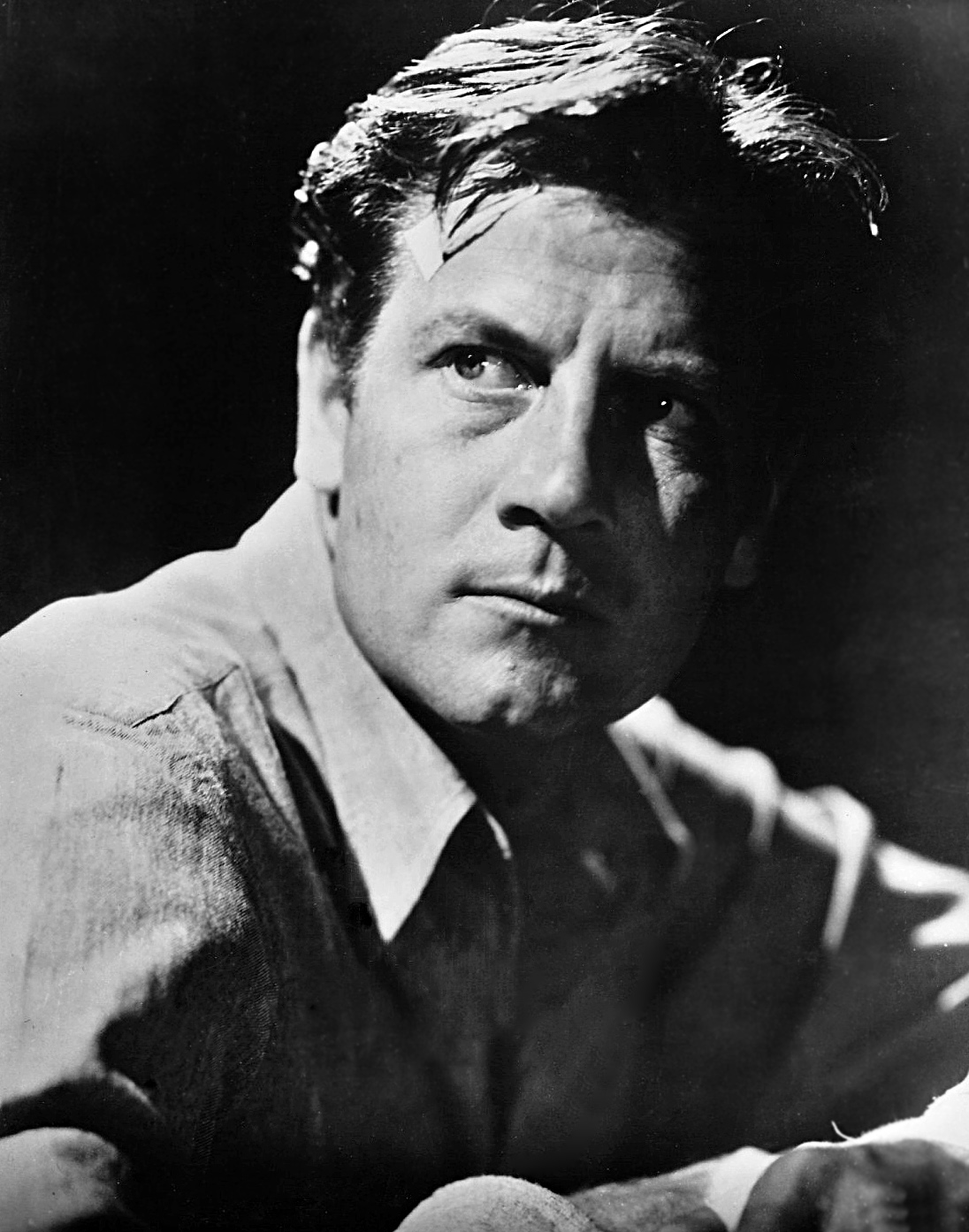
Joel McCrea (1905–1990) was a Hollywood film star whose quiet, honest persona made him a leading man in comedies, dramas and—most famously—Western films from the 1930s through the 1960s.
Joel McCrea was an American film actor whose career spanned nearly five decades. Beginning in late‑1920s studio pictures, he evolved from light comedies and romantic leads into one of Hollywood's most reliable Western stars. McCrea became associated with an understated, laconic screen presence that directors used to anchor stories of ordinary men facing moral choices. He remained active in movies from the silent era's end through the 1970s, while also maintaining a private life outside the Hollywood spotlight.
Image gallery
5 Images


Early career and move to Westerns
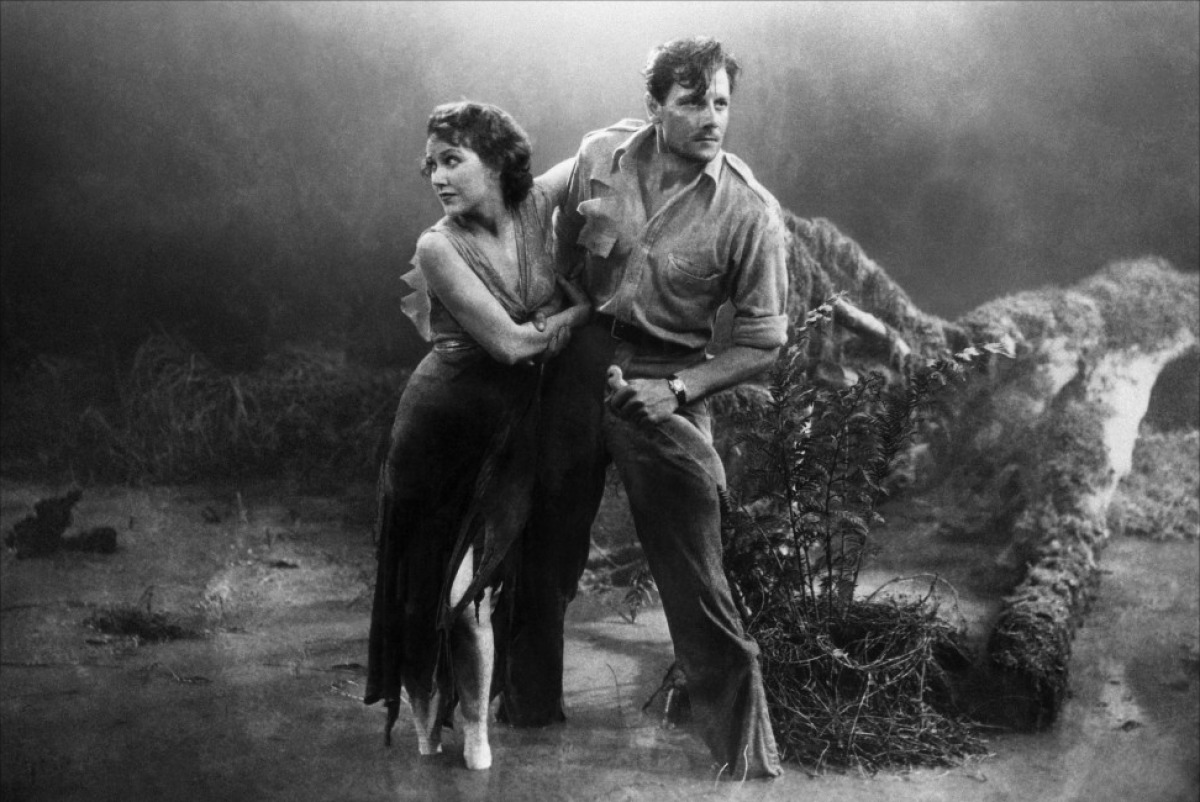
McCrea began acting in the late 1920s, appearing in a range of films that showcased his affable, everyman qualities. Over the 1930s he worked steadily for major studios, alternating between comedies, romances and action pictures. By the late 1930s he began to be cast more frequently in Westerns and frontier dramas, a shift that would define his public image. In those films he conveyed rugged reliability rather than flamboyant bravado, and audiences responded to his restrained heroism.
Signature roles and collaborators
Across his career McCrea worked with notable directors and co‑stars. He appeared in studio epics and westerns that paired him with respected filmmakers and performers. He played leading parts in high‑profile Westerns and historical dramas, and directors used his plainspoken manner to ground larger themes about law, duty and personal honor. Among his collaborators were directors such as Jacques Tourneur and Sam Peckinpah and actors including long‑time Western colleague Randolph Scott. For an overview of his screen collaborations see biographical sources and for selected credits consult a filmography listing.
Notable films
- The Fair Co-Ed (1927) and The Five O'Clock Girl (1928) — early talkie and late‑silent era work.
- Wells Fargo (1937) and Union Pacific (1939) — studio Westerns that increased his visibility.
- Buffalo Bill (1944) and The Virginian (1946) — portrayals of frontier figures and classic Western archetypes.
- Colorado Territory (1949) — a crime‑Western directed by Raoul Walsh.
- Wichita (1955) — a mid‑century Western directed by Jacques Tourneur.
- Ride the High Country (1962) — a late classic directed by Sam Peckinpah, co‑starring Randolph Scott, widely regarded as a turning point toward more complex Westerns.
- Later projects in the 1960s and 1970s rounded out his long screen career.
These titles illustrate McCrea's range: he could head romantic comedies, lead studio melodramas and carry the moral weight of frontier stories. Ride the High Country in particular has been cited by critics as one of his most significant later roles, helping to bridge classical Western themes with a modern, revisionist sensibility.
Later life and legacy
Outside the screen, McCrea maintained a relatively private life and was known for his interest in ranching and outdoor pursuits. He gradually reduced his screen appearances after the 1960s, with occasional roles into the 1970s. Film historians and Western aficionados remember him for a dependable, low‑key style that contrasted with flashier stars. His career exemplifies a mid‑20th‑century Hollywood journey from studio pictures to the more personal and morally ambiguous Westerns that emerged in the 1960s.
Questions and answers
Q: Who was Joel Albert McCrea?
A: Joel Albert McCrea was an American actor.
Q: When did his career begin and in what movies?
A: His career began in the late 1920s in movies such as The Fair Co-Ed (1927) and The Five O'Clock Girl (1928).
Q: In which two movies did McCrea have starring roles and what kind of movies were they?
A: McCrea had starring roles in the Western movies Wells Fargo (1937) and Union Pacific (1939).
Q: What are some other famous western movies that McCrea starred in?
A: McCrea starred in other famous western movies such as Buffalo Bill (1944), The Virginian (1946), and Wichita (1955).
Q: Who directed McCrea in Colorado Territory (1949)?
A: McCrea was directed by renowned director Raoul Walsh in Colorado Territory (1949).
Q: In which movie did McCrea star alongside Randolph Scott and who directed it?
A: McCrea starred alongside Randolph Scott in Ride the High Country (1962) by Sam Peckinpah.
Q: What were some of McCrea's last movies?
A: Some of McCrea's last movies were The Young Rounders (1966), Sioux Nation (1970), Cry Blood, Apache (1970) and Mustang Country (1976).
Related articles
Author
AlegsaOnline.com Joel McCrea: American actor best known for classic Westerns Leandro Alegsa
URL: https://en.alegsaonline.com/art/122183