
Blockhouse (military fortification)
A blockhouse is a small, often standalone defensive structure with firing openings. Used from the early modern period through two world wars, it differs from larger fortresses and modern bunkers.
Overview: A blockhouse is a compact defensive building designed to provide a strongpoint for infantry and small arms fire. In military contexts it is typically a single structure, or a discrete room within a larger work, that offers protected firing positions through loopholes and embrasures. The term appears in discussions of military science and often overlaps with other fortification concepts such as the wider category of fortifications.
Typical characteristics: Blockhouses are characterised by thick walls, limited internal space, and apertures sized for rifles or pistols rather than heavy guns. They may be built of timber, stone, brick or, in the 20th century, reinforced concrete. Internal rooms provide sheltered firing positions and storage for ammunition and supplies. Small examples resemble a fortified house or pillbox; larger examples can accommodate a small garrison and basic facilities. Many have features to resist assault short of prolonged siege, but they are generally vulnerable to sustained bombardment or heavy artillery and other modern siege means.
Image gallery
10 Images


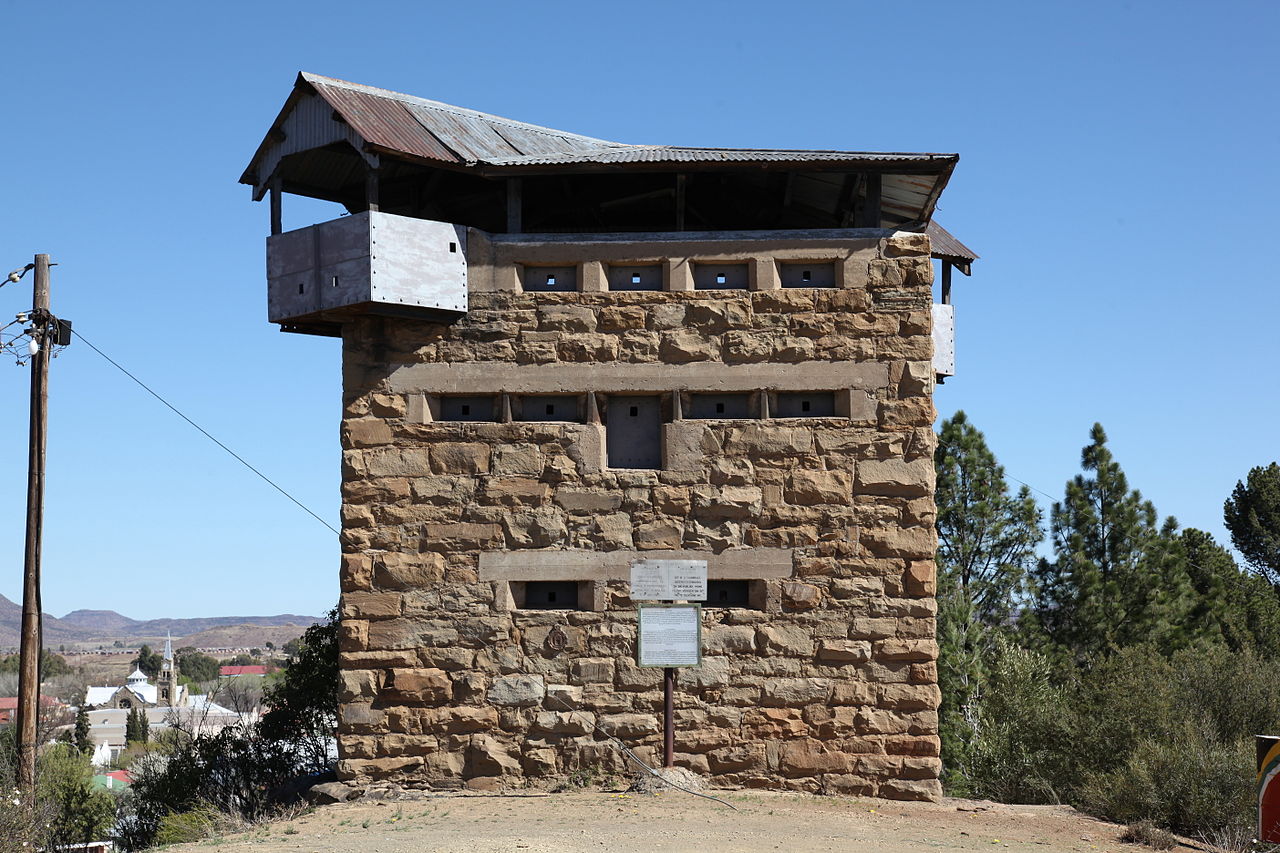


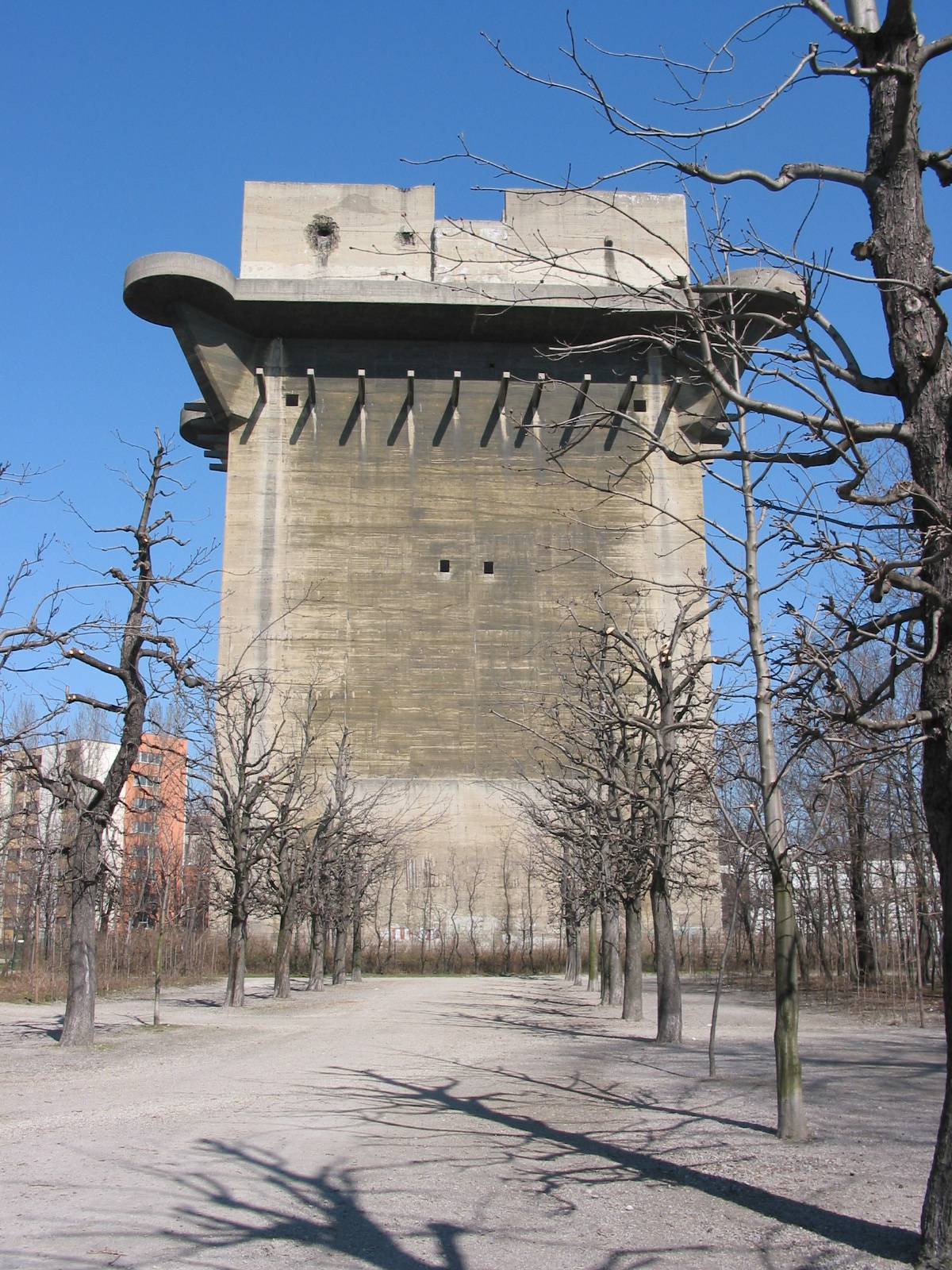
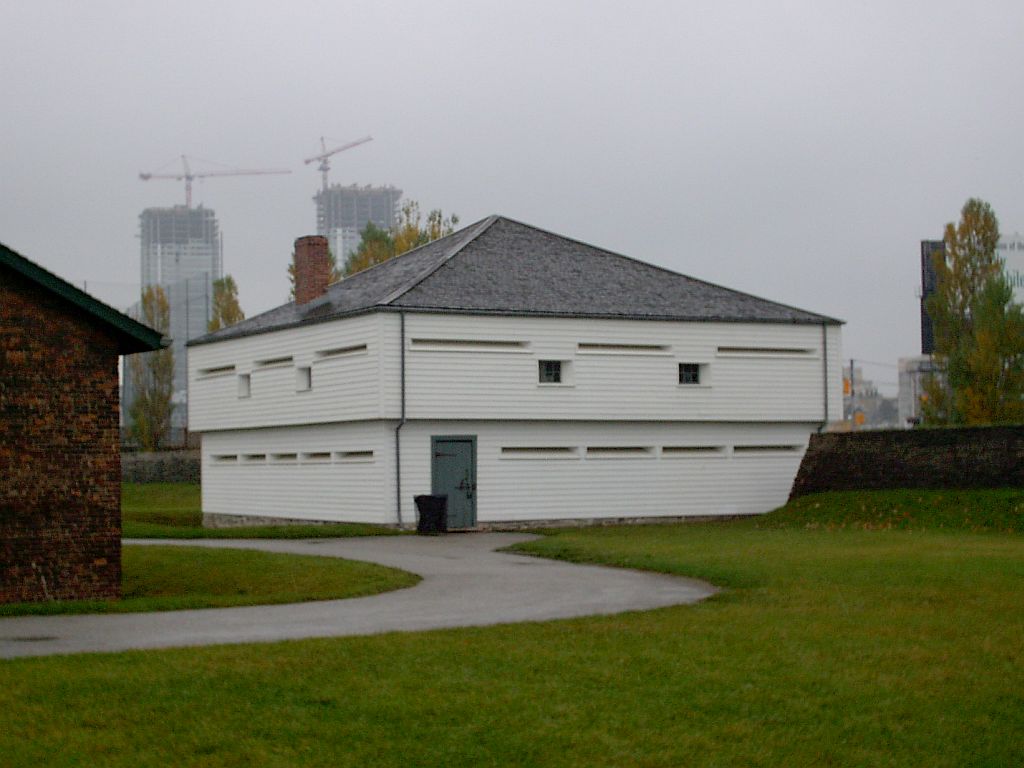
Forms and related types
- Standalone blockhouses: isolated single buildings placed to guard roads, river crossings, or strategic high ground.
- Integrated blockhouse rooms: enclosed strong points built into larger forts, batteries, or redoubts to provide internal defense.
- Surface pillboxes and small bunkers: in 20th-century warfare, the blockhouse idea evolved into concrete pillboxes and small bunkers intended to deny terrain to an attacker.
History and development: The basic concept—protecting defenders in a small, fortified room with firing slits—can be traced back centuries and appears in local vernacular forms across Europe, colonial frontiers and elsewhere. The name's origin is uncertain but may relate to northern European words for a heavy block of timber or to terms associated with blockades. From the early modern period onward, blockhouses were widely used for outposts and frontier defense. By the late 19th and especially the 20th century, improvements in firearms and explosives led to adaptations in materials and siting; reinforced concrete blockhouses and pillboxes became common defensive elements in large-scale fortification systems.
Uses and examples: Blockhouses served to control key approaches, protect supply lines, and offer rallying points for troops. They were employed on colonial frontiers, in urban defenses, and as part of coastal or railway protection. In many conflicts defenders relied on the field-expedient nature of blockhouses to create strongpoints without the expense of a full fortress. Against light infantry and raiding parties a well-sited blockhouse could be decisive; against an enemy with heavy siege equipment or heavy guns, it offered limited resistance.
Distinctions and notable facts
- Blockhouse vs fortress: a fortress is a complex of works intended to withstand prolonged bombardment and assault; a blockhouse is a smaller, simpler structure intended as a localized strongpoint.
- Blockhouse vs pillbox/bunker: modern pillboxes are low-profile concrete descendants of the blockhouse concept; bunkers may be larger, partly underground, and designed to resist heavier ordnance.
- Terms and language: the word has evolved and seen varied use in different armies and periods; some sources treat blockhouses as interchangeable with small forts or redoubts, while others make careful distinctions.
For further reading on defensive architecture and field fortifications consult general guides in military engineering and historical surveys of fortifications. You can also explore resources on fortifications, small-arms defensive works such as rifle loopholes and embrasures (rifle and pistol employment), and the tactical use of blockhouses against an enemy in frontier or siege contexts. Additional material on the adaptation of blockhouses in the 20th century is available in studies of pillboxes and concrete defensive systems (artillery era responses) and on the relationship between field strongpoints and underground or semi-underground shelters (bunker developments). Historical terminology and etymology can be explored via specialized glossaries (military science).
Siege equipment and the limits of small fortifications remain important topics for understanding why blockhouses were built where they were and how they shaped local defense strategies.
Questions and answers
Q: What is a blockhouse in military science?
A: A blockhouse is a small fortification that usually has one or more rooms with loopholes, allowing defenders to fire rifles or handguns in various directions.
Q: What is the purpose of a blockhouse?
A: The purpose of a blockhouse is to serve as a defensive strong point against any enemy that does not possess siege equipment or, in modern times, artillery.
Q: How is a blockhouse different from a fortress or redoubt?
A: A blockhouse is a fortification that is intended to resist enemies who don't have siege equipment or artillery. On the other hand, a fortress or redoubt is built to resist more powerful weapons.
Q: What is a pillbox?
A: A pillbox is a small underground bunker that can serve as a blockhouse for modern times.
Q: Can a blockhouse be part of a larger fortification?
A: Yes, a blockhouse may also refer to a room within a larger fortification, usually a battery or redoubt.
Q: What is the origin of the term "blockhouse"?
A: The origin of the term "blockhouse" is uncertain, but it may be related to Middle Dutch blokhus and 18th-century French blocus (blockade).
Q: What weapons can be used by enemy forces to overcome a blockhouse or a redoubt?
A: Enemy forces with siege equipment or artillery can overcome a blockhouse or a redoubt.
Tags
Related articles
Author
AlegsaOnline.com Blockhouse (military fortification) Leandro Alegsa
URL: https://en.alegsaonline.com/art/12217
Sources
- militaryarchitecture.com : "Illustrated Glossary of Terms used in Military Architecture"