
Blockade runner
A vessel built or adapted to slip past a naval blockade to deliver supplies, mail, information or trade goods; noted for speed, stealth and shallow draught.
A blockade runner is a vessel designed or adapted to evade a naval blockade and deliver cargo, correspondence or people to a blockaded port. Unlike ships that attempt to break and hold a blockade by force, blockade runners rely on speed, concealment and local knowledge to pass through patrols. They have appeared in many eras of naval warfare where besieged ports needed food, weapons or external communications.
Image gallery
4 Images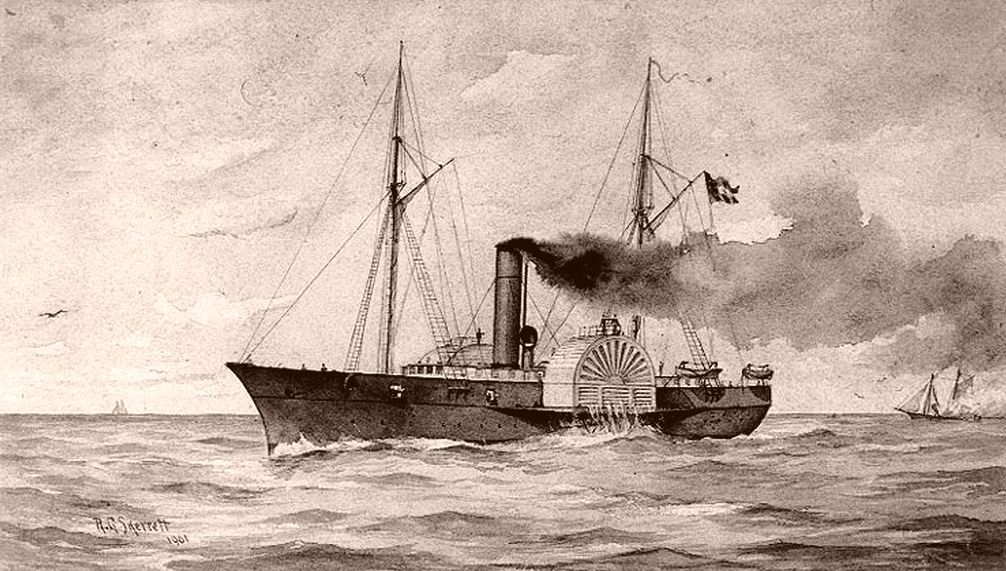


Typical characteristics
- Size and construction: often smaller and lighter than warships; sometimes converted merchantmen or purpose-built fast craft. Ship types varied with technology and era.
- Speed and maneuverability: designed to outrun or slip between blockading vessels, using reduced displacement, powerful engines or favourable hull lines.
- Low profile and shallow draught: to use coastal channels, inlets and rivers avoided by larger warships.
- Tactics: night operations, stealthy lighting discipline, use of local pilots, false flags or disguises, and timing with weather or tides.
Historically, blockade running is documented from the Age of Sail through the 20th century. It became prominent during major conflicts when maritime chokepoints were sealed: examples include efforts in the Napoleonic era, the American Civil War, and both World Wars. In many cases the balance between new propulsion, shipbuilding advances and the increasing reach of blockading fleets changed the methods and success rates of runners over time.
Roles, cargoes and importance
- Supply: bringing food and other essentials to civilian populations under siege, often under great risk (food).
- Military logistics: transporting weapons, ammunition and matériel to defenders or insurgent forces (arms).
- Communications: carrying letters, dispatches and intelligence to maintain links with the outside world (mail).
- Commerce and passengers: moving trade goods, diplomats or evacuees when normal routes were closed.
Blockade runners occupy a distinct place in naval history and law. They are not the same as vessels that challenge or attempt to lift a blockade by force; instead their aim is to bypass the cordon. Successful running could have strategic effects disproportionate to a vessel's size by prolonging resistance, enabling political correspondence, or sustaining economies. At the same time, states enforcing blockades developed countermeasures—lighter patrol craft, patrol patterns, and interception techniques—to reduce the runners' effectiveness.
Today the term is used both historically and in contemporary discussions of maritime interdiction, smuggling and sanctions enforcement. Studies of blockade running illuminate technological change, legal questions about contraband and neutral trade, and the human risks of operating in contested littoral waters. Enforcement and evasion remain a dynamic part of naval operations where access to ports is contested.
For general background on vessel types and blockading operations see naval blockade resources and ship design summaries at related ship pages.
Questions and answers
Q: What is a blockade runner?
A: A blockade runner is a lighter-weight ship used for slipping past a naval blockade of a port or strait.
Q: How is a blockade runner different from ships used to challenge the blocking ships to break the blockade?
A: A blockade runner is not used to challenge the blocking ships to break the blockade.
Q: What is the purpose of blockade running?
A: Blockade running is usually done in order to bring food or arms to a blockaded city.
Q: What other items can blockade runners carry?
A: In other cases, blockade runners would carry mail in an attempt to communicate with the outside world. Carrying trade goods from blockaded ports is another function.
Q: Why are blockade runners usually lighter-weight ships?
A: Blockade runners are usually lighter-weight ships because they are designed to slip past naval blockades.
Q: How does a blockade runner slip past a naval blockade?
A: A blockade runner can slip past a naval blockade by using its speed and maneuverability to avoid detection and dodge any naval vessels attempting to intercept it.
Q: What are some risks associated with blockade running?
A: Some risks associated with blockade running include the possibility of being caught by naval blockaders, confiscated or sunk, and the risk of travelling through dangerous waters.
Related articles
Author
AlegsaOnline.com Blockade runner Leandro Alegsa
URL: https://en.alegsaonline.com/art/12210