
Blockade of Germany (World War I)
The maritime blockade imposed on Germany in World War I by the United Kingdom: strategy, German countermeasures, civilian impact, naval actions and postwar consequences.
The blockade of Germany was a sustained Allied maritime campaign during World War I that formed a central element of the broader contest for control of Atlantic trade, sometimes called the First Battle of the Atlantic. Initiated and enforced chiefly by the United Kingdom, the blockade aimed to deny the German Empire and its allies access to raw materials, military supplies and foodstuffs. Germany rejected the blockade and sought ways to blunt its effects while preserving its own supply lines.
Image gallery
10 Images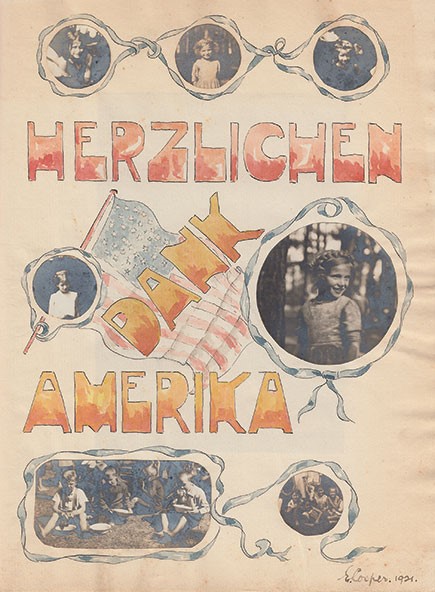




Origins and strategic purpose
At the outbreak of hostilities Britain used its maritime dominance to interdict seaborne commerce to the enemy. The policy grew out of long-standing naval practice but was intensified and formalized in wartime by legal orders and naval directives. The British imposed a comprehensive naval blockade that controlled access to ports, inspected neutral shipping and classed a wide range of goods as contraband. The blockade relied on the numbers and reach of the Royal Navy to station patrols, enforce quarantine areas and prevent blockade running.
German countermeasures: surface raiding and submarines
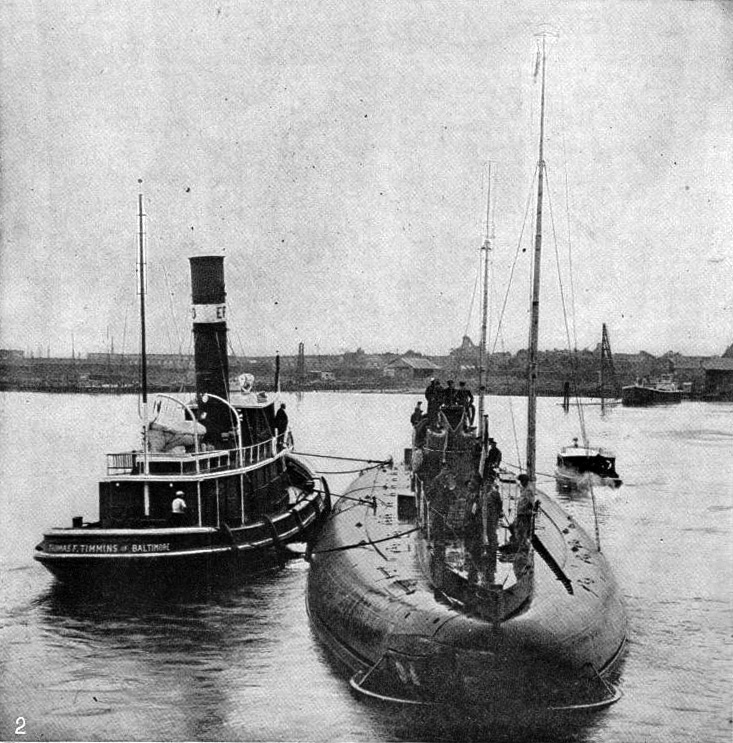
Because the German surface fleet could not safely contest British sea control, German planners turned to commerce raiding and the underwater weapon. Imperial Germany expanded the deployment of submarines to attack Allied and neutral merchant shipping that supplied Britain. Political leaders, including the Chancellor, expressed concern about attacks on neutrals, particularly the United States, but military authorities pressed for aggressive measures. In February 1915 the German government announced a campaign, effective from 4 February 1915 and intensified later that month, declaring waters around Britain a war zone in which merchant vessels might be sunk. Germany said it would attempt to spare clearly neutral ships but in practice the policy led to frequent controversies and losses among non‑belligerent mariners.
Enforcement, battles and naval dynamics
The blockade was maintained through a combination of measures: minefields, designated exclusion zones, inspections at sea and controls on neutral trade. Major fleet actions, notably the Battle of Jutland, demonstrated that the German High Seas Fleet could not displace British sea control and thus could not break the blockade by decisive surface action. The duel for commerce and sea lanes across the Atlantic and North Sea formed an ongoing theatre of the larger naval struggle described by some historians as part of the First Battle of the Atlantic.
Humanitarian and economic consequences
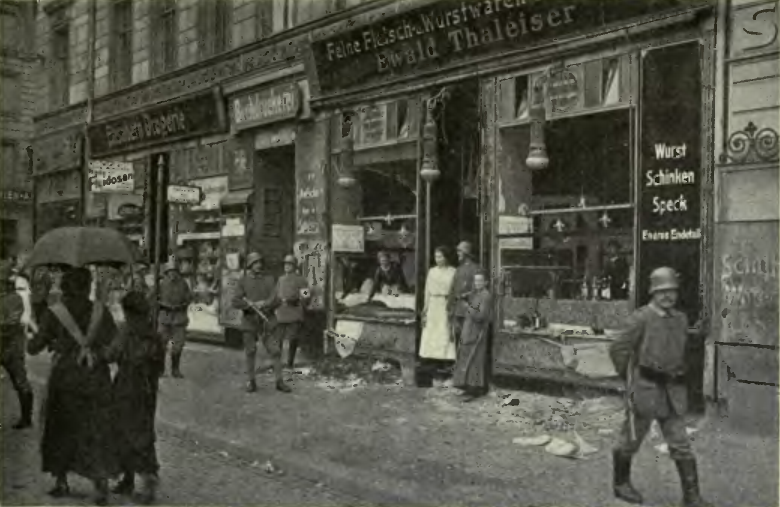
The blockade's scope extended beyond military materials and affected food and fertilizers, contributing to shortages inside Germany. Contemporary and later estimates attribute significant civilian hardship to restricted imports; some sources estimate that up to 750,000 civilians may have died from privation and disease exacerbated by food scarcity during the war years. The Allies continued controls on German trade after the November 1918 armistice while negotiations proceeded, a policy that influenced German living conditions in 1919 and was a factor in diplomatic pressure to conclude the peace terms embodied in the Treaty of Versailles.
Legacy, law and debate
The blockade of Germany prompted enduring debate about the legality and morality of economic warfare, the classification of food as contraband, and the rights of neutral shipping. It also helped shape interwar naval doctrine on blockades and submarine warfare and contributed to popular memory of the hardships of the civilian home front. Scholars continue to weigh its military effectiveness against its humanitarian cost, situating the blockade within the wider course of World War I and the transformations in international law and naval practice that followed.
- Key instruments: contraband lists, port controls, naval patrols, mines.
- Principal consequence: disruption of supply chains and civilian shortages.
- Enduring question: balancing military advantage with protection of noncombatants.
Questions and answers
Q: What was the First Battle of the Atlantic?
A: The First Battle of the Atlantic was a conflict between the United Kingdom and Germany during World War I. It included a naval blockade established by Britain against Germany.
Q: How did Germany attempt to break the British blockade?
A: Germany attempted to break the British blockade by using their fleet, but were unsuccessful in doing so as shown in the Battle of Jutland.
Q: How did Germany respond to this blockade?
A: In response to this blockade, Germany blockaded Britain and France and declared that all Allied ships in certain areas would be sunk without warning.
Q: What happened as a result of this blockade?
A: As a result of this blockade, up to 750,000 civilians may have died due to starvation caused by it during World War I, with many more dying after the Armistice due to continued blockading until 1919 when Germany signed the Treaty of Versailles.
Q: Why did Kaiser Wilhelm II declare certain seas around Britain war zones?
A: Kaiser Wilhelm II declared certain seas around Britain war zones because it was one way for German submarines to impose a blockade on Britain since they could not fight with an even basis against the big British Royal Navy.
Q: Was there any effort made by Germans to avoid sinking neutral vessels?
A: Yes, some effort was made by Germans to avoid sinking clearly neutral vessels when declaring these seas war zones.
Q: Who pushed forward unlimited submarine warfare during WWI?
A: The military pushed forward unlimited submarine warfare during WWI.
Related articles
Author
AlegsaOnline.com Blockade of Germany (World War I) Leandro Alegsa
URL: https://en.alegsaonline.com/art/12209
Sources
- dhm.de : Lebensmittelversorgung in:Lebendiges Museum online