
Jesse James — American outlaw and leader of the James–Younger Gang
Profile of Jesse James (1847–1882), his origins, raids with the James–Younger Gang, death at the hands of Robert Ford, and his lasting place in American folklore.
Overview
Jesse Woodson James (1847–1882) was a prominent American outlaw whose name became synonymous with late 19th-century bank, stagecoach and train robberies. He led and took part in a series of high-profile crimes with the James–Younger Gang and was lionized in some popular accounts as a rebellious folk figure. Modern scholarship places his activities within the turbulent social and political aftermath of the U.S. Civil War.
Image gallery
10 Images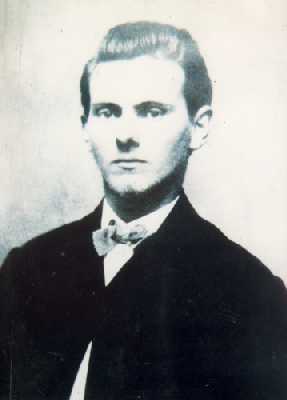



Early life and wartime activity
Born in Missouri, Jesse James grew up in a border region marked by violent partisan conflict. As a teenager he joined irregular Confederate guerrilla units—often called "bushwhackers"—that carried out raids and reprisals during the war. These wartime experiences shaped both his tactics and the enmities that later framed his outlaw career.
Criminal career and methods
After the Civil War, Jesse and his brother Frank organized robberies and formed alliances with other former guerrillas and criminals. The group commonly known as the James–Younger Gang targeted banks, stagecoaches and trains, using a combination of ambush, disguise and local knowledge to escape capture. Contemporary newspapers and dime novels often exaggerated incidents, contributing to a mixed reputation that blended criminality with elements of popular hero-making.
Death and capture of notoriety
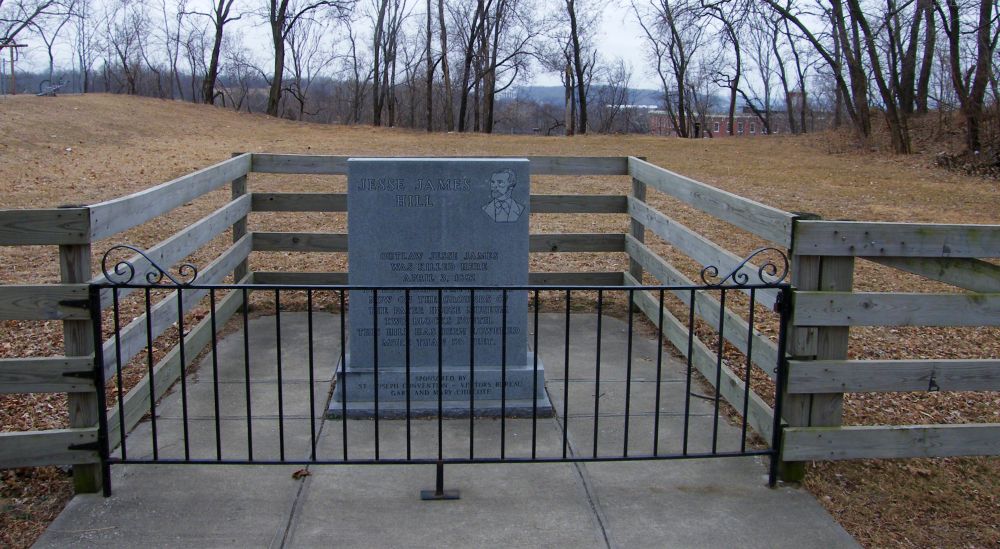
Jesse James's life ended when he was shot and killed in 1882 by Robert Ford, a member of his own circle. Ford's motive was the reward offered by authorities; press accounts and later histories note that state officials placed a substantial reward for his capture. The killing, carried out in St. Joseph, Missouri, was widely reported and sparked debate about betrayal, law enforcement tactics and the commercialization of fame.
Legacy and cultural impact
Jesse James has remained a potent figure in American culture. He appears in songs, novels, films and folklore as both villain and folk hero. Historians emphasize the importance of postwar politics, local loyalties and sensational media in shaping his public image rather than any simple moral narrative.
Notable facts
- Reputation: Seen differently across communities—condemned as a criminal by some and romanticized by others.
- Associates: His operations involved multiple collaborators and were not solo ventures.
- Historical study: Scholarship tends to contextualize him within Reconstruction-era Missouri and the lingering effects of guerrilla warfare.
- Further reading: Contemporary accounts and later biographies give varying interpretations; primary-source material and cautious secondary studies are recommended for deeper research. See also outlaw biographies for comparative perspectives.
Questions and answers
Q: Who was Jesse James?
A: Jesse James was an American outlaw who was the most famous member of the James-Younger Gang.
Q: When was he born and when did he die?
A: Jesse James was born on September 5, 1847, and he died on April 3, 1882.
Q: What happened to Jesse James?
A: Jesse James was shot in the back of the head and killed by Robert Ford, a member of his gang, for a $10,000 bounty that was placed on James by then-Missouri governor Thomas T. Crittenden.
Q: What's the name of the gang that Jesse James belonged to?
A: Jesse James belonged to the James-Younger Gang.
Q: Was Jesse James a famous outlaw in America?
A: Yes, Jesse James was very famous as an American outlaw.
Q: Who killed Jesse James?
A: Jesse James was killed by Robert Ford, a member of his gang, for a $10,000 bounty.
Q: Why was there a bounty placed on Jesse James?
A: There was a $10,000 bounty placed on Jesse James by then-Missouri governor Thomas T. Crittenden.
Related articles
Author
AlegsaOnline.com Jesse James — American outlaw and leader of the James–Younger Gang Leandro Alegsa
URL: https://en.alegsaonline.com/art/121920