
The Blind Men and the Elephant: Parable, Meaning, and Uses
An encyclopedic overview of the parable 'The Blind Men and the Elephant': its narrative, origins, variants, meanings, and modern uses as a metaphor for partial perspective and the importance of communication.
Overview
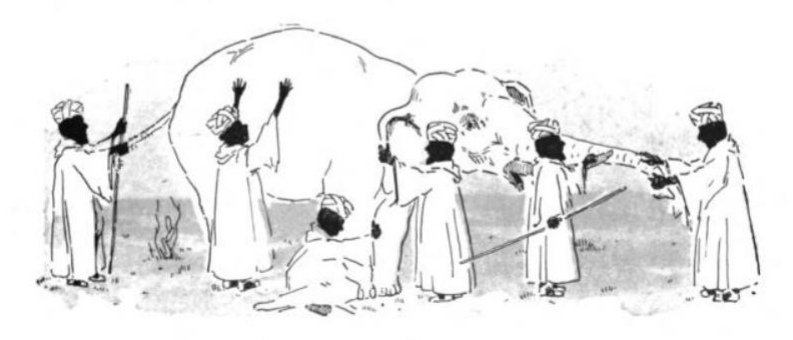
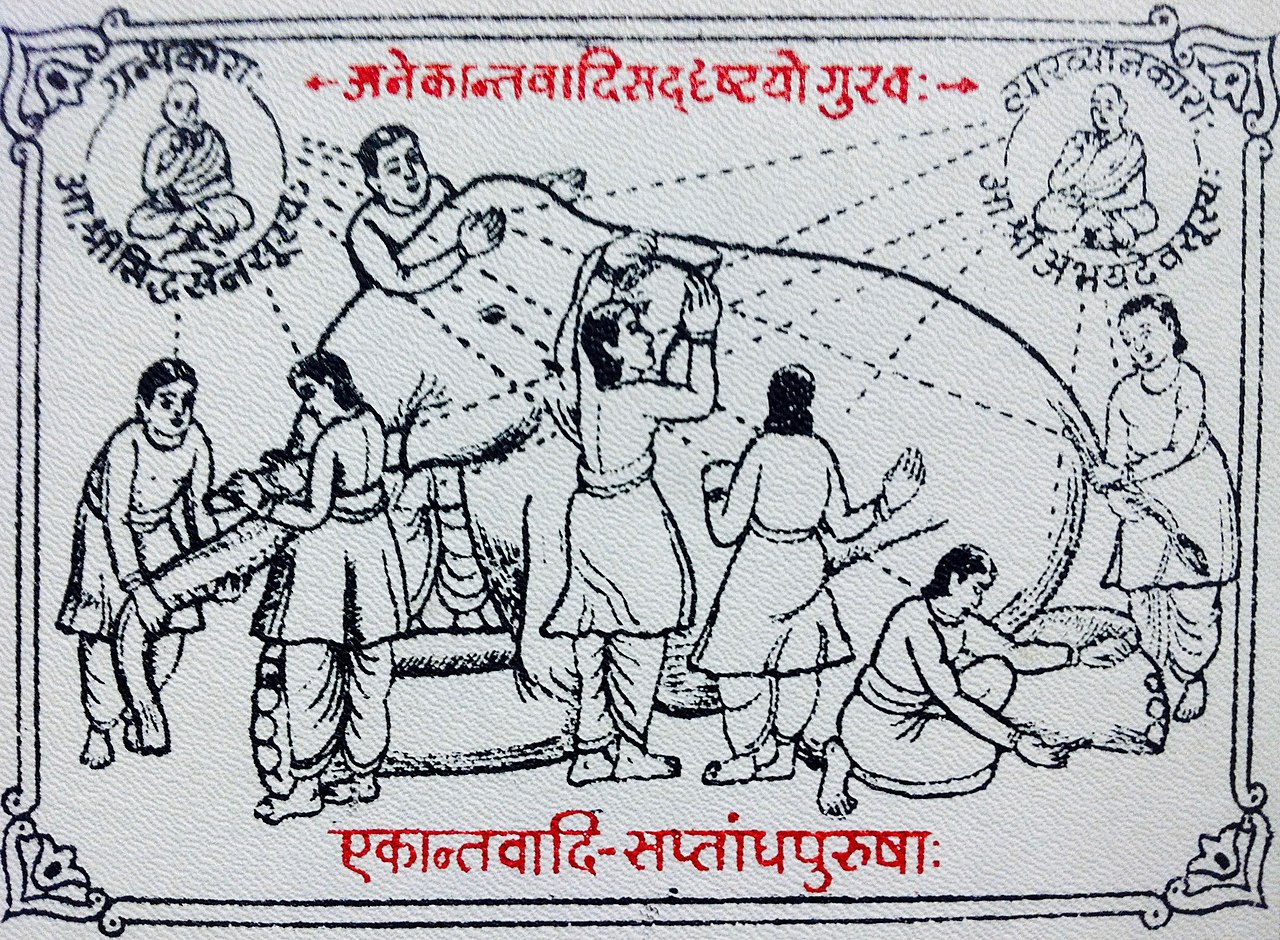
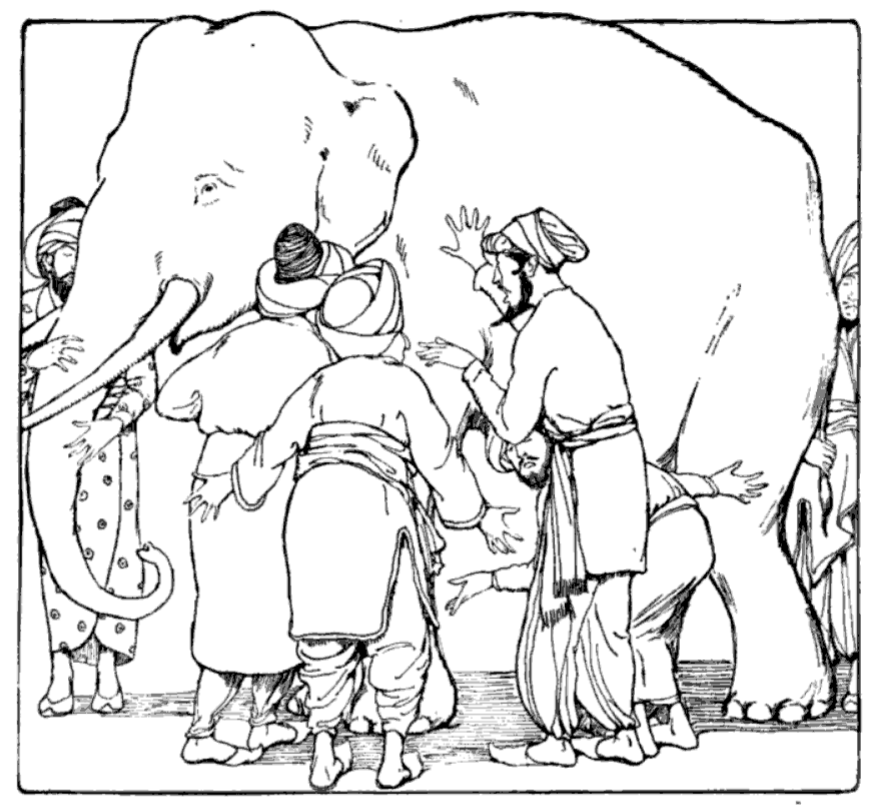
"The Blind Men and the Elephant" is a well-known parable and idiom about perception and partial knowledge. In the typical telling, a group of people who cannot see an elephant each touch a different part of the animal and describe what they encounter—a rope-like tail, a tree-trunk-like leg, a fan-like ear—then argue about what the creature must be. The story highlights how limited experience can lead to incomplete or conflicting conclusions.
Image gallery
9 Images




Core elements and common variants
The tale contains a few constant elements: several observers, an elephant (or large unfamiliar object), and contrasting accounts based on local inspection. Variants differ in tone and lesson. Some emphasize humility and cooperation, others satire or the folly of rigid opinion. The cast may be blind people, sighted but ignorant observers, scholars, or members of different cultural groups. Versions appear in short fables, poems, and religious teachings.
Origins and historical spread
The story is traditionally traced to the Indian subcontinent and has been incorporated into many religious and philosophical literatures over centuries. It appears in South Asian folklore and was adapted in Buddhist, Hindu, Jain, and Sufi contexts before circulating more broadly in Persian, Arabic, and later Western retellings. Because of its simple structure and universal theme, it has been translated and repurposed widely.
Meanings and interpretations
At its simplest, the parable warns against mistaking a fragment for the whole and encourages open-mindedness. It is frequently cited in discussions of epistemology (how we know things), the sociology of knowledge, interdisciplinary research, and conflict resolution. Readers use it to illustrate cognitive bias, the limits of perception, and the value of combining perspectives.
Uses, examples, and contemporary relevance
- As an idiom for incomplete perspective: speakers say someone is "like the blind men and the elephant" to suggest they see only one facet of a complex issue. Further reading on the idiom.
- In education and teamwork: instructors use the story to encourage collaboration across specialties.
- In public discourse and science: it serves as a caution about siloed analysis and the need for integrative approaches.
Notable distinctions and cautions
Different tellings frame the moral differently—some conclude with reconciliation and synthesis, others end in unresolved dispute. The parable is a versatile metaphor but can be overused; invoking it does not replace careful analysis. For background on its cultural origins, see resources tied to its Indian roots and cross-cultural adaptations: origin and variants.
Questions and answers
Q: What is the Blind men and an elephant idiom?
A: The Blind men and an elephant is an idiom.
Q: What is the origin of the story of the Blind men and an elephant?
A: The story of the Blind men and an elephant comes from India.
Q: What does the Blind men and an elephant represent?
A: The Blind men and an elephant represents a range of truths and mistakes. It is also about the need for communication and the need for respect for different perspectives.
Q: What do idioms demonstrate?
A: Idioms demonstrate the effects of observation and bias.
Q: Are idioms difficult for learners of a language?
A: Yes, idioms are a common stumbling block for learners of a language.
Q: What can be learned from the Blind men and an elephant idiom?
A: The Blind men and an elephant idiom teaches the importance of communication and respecting different perspectives.
Q: Why is the story of the Blind men and an elephant important?
A: The story of the Blind men and an elephant highlights the need for open-mindedness and encourages individuals to see the bigger picture instead of relying solely on their own limited perspectives.
Related articles
Author
AlegsaOnline.com The Blind Men and the Elephant: Parable, Meaning, and Uses Leandro Alegsa
URL: https://en.alegsaonline.com/art/12181
Sources
- books.google.com : Communication and Culture: China and the World Entering the 21st Century, p. 51
- en.wikisource.org : "The Blind Men and the Elephant,"
- books.google.com : "Chinese Idioms and Cultural Values,"