
Jeanne d'Albret: Queen of Navarre and leader of the French Huguenots
Jeanne d'Albret (1528–1572), queen regnant of Navarre, a leading figure of the French Reformation and mother of Henry IV of France. She promoted Protestantism and played a central role in the Wars of Religion.
Jeanne d'Albret (7 January 1528 – 9 June 1572) was queen regnant of the Kingdom of Navarre from 1555 until her death. As a sovereign who exercised authority in her own right, she combined dynastic responsibility with active involvement in the religious and political conflicts of sixteenth‑century France. Her leadership made her one of the most visible noble supporters of the Reformed faith in a time of growing sectarian tension.
Image gallery
6 Images

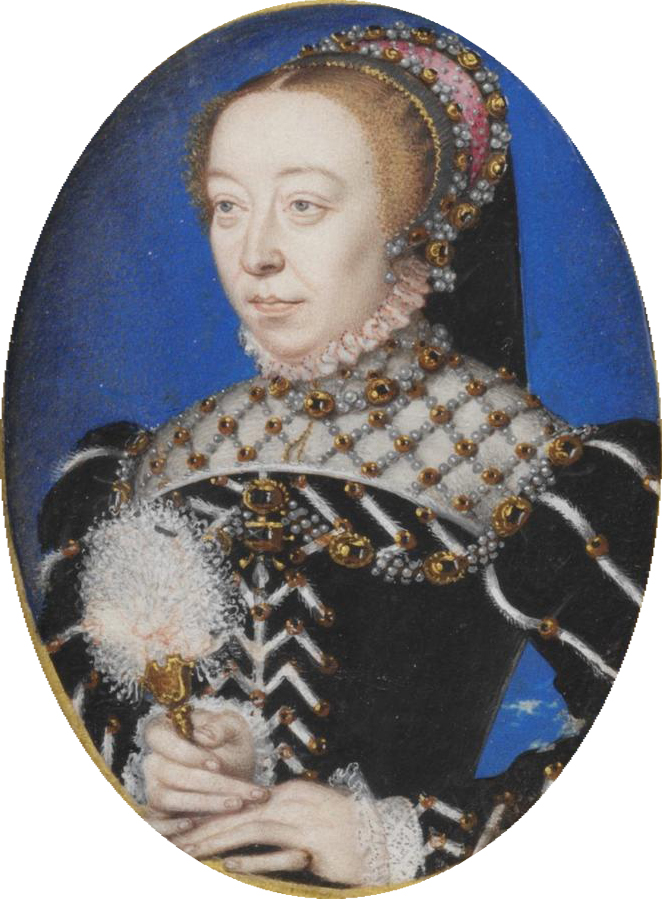


Early life, family and succession
Born into the House of Albret, Jeanne inherited the crown of Navarre following the death of her father. Her second marriage to Antoine de Bourbon, Duke of Vendôme produced a son, Henry of Bourbon, who later became King Henry IV of France and the first monarch of the Bourbon dynasty in France. Through marriage and inheritance she also held the title Duchess of Vendôme, and she governed the small but strategically positioned kingdom that straddled parts of the Pyrenees.
Religious conversion and political role
In the early 1560s Jeanne publicly embraced the Reformed Protestant faith. She used the powers of her crown to encourage Protestant pastors, reform church structures in her territories, and protect Huguenot worship where possible. Her conversion was both a personal conviction and a political stance: she became widely acknowledged as a spiritual and political leader by French Protestants and corresponded and allied with other Huguenot nobles.
In the French Wars of Religion
Jeanne played an active part in the turbulent decades of the French Wars of Religion. While Navarre’s resources were limited, she provided material and moral support to the Huguenot cause and participated in negotiations and alliances that shaped the conflict. Her position as a reigning queen gave the Protestant movement an unusually prominent noble sponsor and helped sustain its political organization.
Legacy and historical significance
Jeanne d'Albret is remembered for asserting sovereign authority as a woman ruler and for making her realm a center of Protestant reform. She died in 1572, shortly before a major escalation in the violence against Huguenots in France. Her son Henry eventually succeeded to greater power in France, and the religious and dynastic choices she made influenced the course of French history and the rise of the Bourbon line.
- Reigned: 1555–1572 as queen regnant of Navarre (Kingdom of Navarre).
- Married to Antoine de Bourbon; mother of Henry of Bourbon, later King of France (Antoine, Henry).
- Recognized leader of the French Huguenots during the French Wars of Religion.
Her life illustrates how dynastic rule, religious conviction and the politics of Reformation Europe could intersect in a single royal person. Jeanne d'Albret remains a subject of historical study for her role in promoting Protestant institutions, exercising female sovereignty in a patriarchal age, and shaping the lineage that produced the Bourbon kings of France.
Questions and answers
Q: Who was Jeanne d'Albret?
A: Jeanne d'Albret was the queen regnant of the Kingdom of Navarre from 1555 to 1572.
Q: What was Jeanne d'Albret's second marriage?
A: Jeanne d'Albret's second marriage was to Antoine de Bourbon, Duke of Vendôme.
Q: Who was Henry of Bourbon?
A: Henry of Bourbon was the son of Jeanne d'Albret and Antoine de Bourbon, Duke of Vendôme. He became King Henry III of Navarre and King Henry IV of France.
Q: What was Jeanne d'Albret's title after her second marriage?
A: Jeanne d'Albret became the Duchess of Vendôme after her second marriage.
Q: What was Jeanne d'Albret's role in the French Wars of Religion?
A: Jeanne d'Albret was a key figure in the French Wars of Religion and was the acknowledged spiritual and political leader of the French Huguenot movement.
Q: Who was the first Bourbon king of France?
A: King Henry IV of France, who was the son of Jeanne d'Albret and Antoine de Bourbon, Duke of Vendôme, was the first Bourbon king of France.
Q: When did Jeanne d'Albret pass away?
A: Jeanne d'Albret passed away on June 9, 1572.
Related articles
Author
AlegsaOnline.com Jeanne d'Albret: Queen of Navarre and leader of the French Huguenots Leandro Alegsa
URL: https://en.alegsaonline.com/art/121672