
Jan Evangelista Purkyně (1787–1869)
Czech anatomist and physiologist who pioneered cell biology and neurocardiology; described Purkinje cells and fibers, observed the Purkinje visual effect, and coined the term protoplasm.
Jan Evangelista Purkyně (17 December 1787 – 28 July 1869) was a prominent Czech scientist known for contributions to anatomy and physiology. Trained in the medical sciences of his era, he combined microscopic observation with experimental methods to explore tissues, nerves, and the functioning of sensory systems. His name is attached to several anatomical structures and physiological phenomena still discussed in modern textbooks.
Image gallery
3 Images

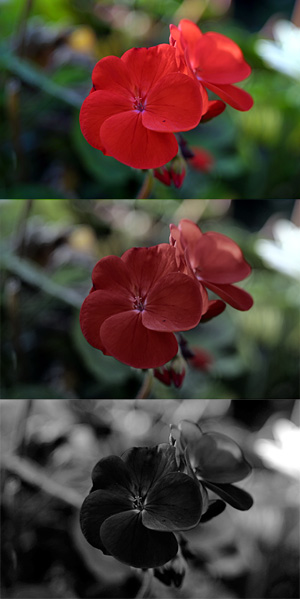
Main discoveries and terms
- Purkinje cells: large, flask-shaped neurons in the cerebellar cortex important for motor coordination.
- Purkinje fibers: specialized conducting fibers of the heart that help propagate electrical impulses through the ventricles.
- Purkinje effect: a shift in visual sensitivity toward shorter (blue) wavelengths under low light, first described in human vision experiments.
- In 1839 he introduced the word protoplasm for the living content of a cell, helping to focus attention on the material basis of life.
Purkyně worked as an anatomist and an experimental physiologist, applying improved microscopic techniques to tissues and embryos. He emphasized careful observation, detailed drawings, and repeatable experiments at a time when microscopy was rapidly advancing.
His career combined teaching and laboratory work. He trained many students, described structures now bearing his name, and published on vision, balance, cardiac physiology, and cellular structure. Rather than isolated curiosities, his findings helped shape the emerging disciplines of histology and neurophysiology.
Legacy: Purkyně's contributions are notable for linking microscopic anatomy with function. The terms and eponyms that honor him are used in medicine, neuroscience, and physiology. His coinage of protoplasm marked an early step toward cell biology by directing attention to the living substance inside cells.
Questions and answers
Q: Who is Jan Purkyně?
A: Jan Purkyně is a Czech anatomist and physiologist.
Q: What is Jan Purkyně known for?
A: Jan Purkyně is known as one of the best known scientists of his time.
Q: In what year did Jan Purkyně coin the term 'protoplasm'?
A: Jan Purkyně coined the term 'protoplasm' in 1839.
Q: What did Jan Purkyně coin the term 'protoplasm' for?
A: Jan Purkyně coined the term 'protoplasm' for the fluid substance of a cell.
Q: How significant was Jan Purkyně's discovery?
A: Jan Purkyně's discovery of the term 'protoplasm' was significant as it is now a key concept in cell biology.
Q: Was Jan Purkyně's work recognized during his time?
A: Yes, Jan Purkyně was recognized as one of the best scientists of his time.
Q: When did Jan Purkyně pass away?
A: Jan Purkyně passed away on July 28, 1869.
Related articles
Author
AlegsaOnline.com Jan Evangelista Purkyně (1787–1869) Leandro Alegsa
URL: https://en.alegsaonline.com/art/121490
Sources
- slate.com : Stupid drug story of the week: The nutmeg scare