
James Comey
American lawyer and former FBI Director (2013–2017); served in senior Justice Department roles and led several high-profile investigations that shaped public debate.
James Brien "Jim" Comey Jr. (born December 14, 1960) is an American lawyer and public official best known for serving as Director of the Federal Bureau of Investigation. He rose to national prominence during a period of intense political scrutiny and multiple high-profile inquiries. His tenure and dismissal in 2017 generated sustained public attention and congressional oversight.
Image gallery
10 Images


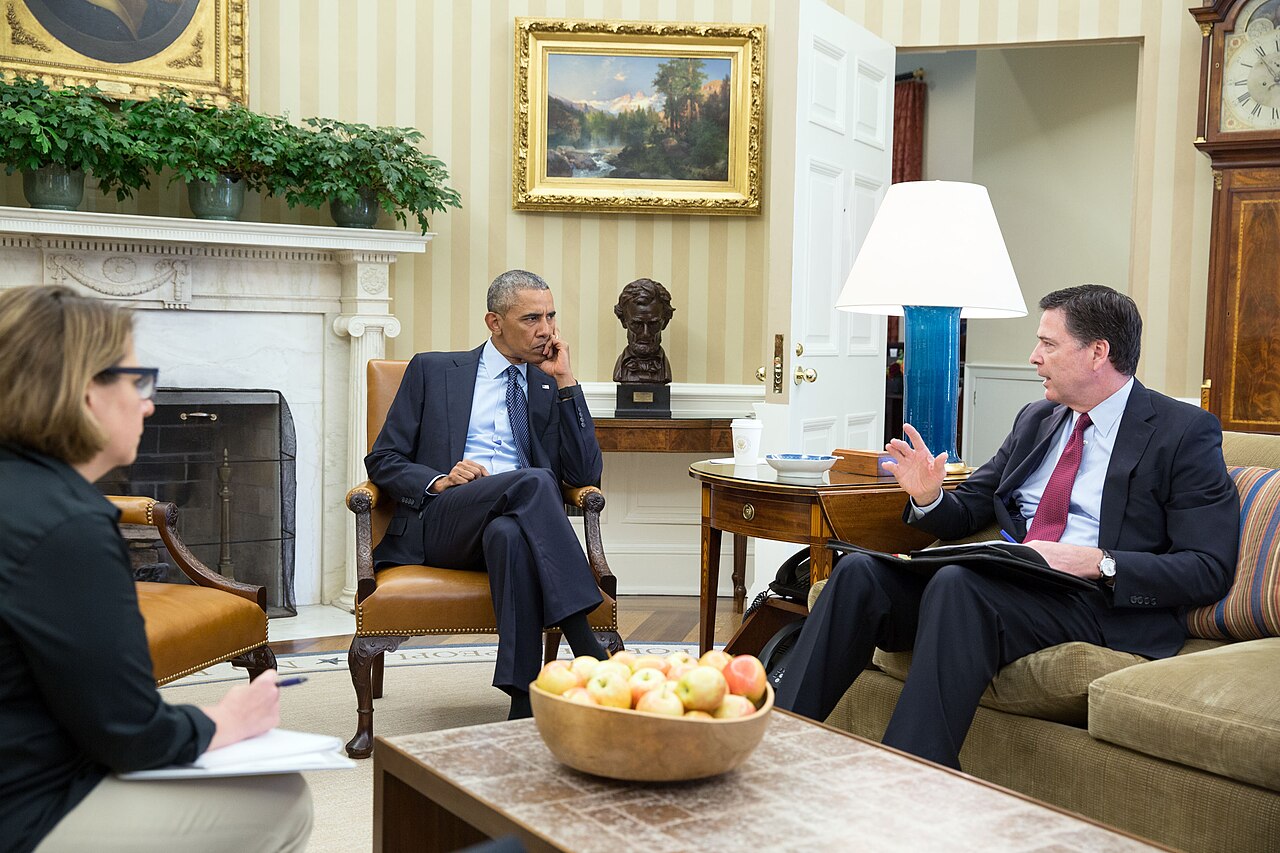


Early life and education
Comey grew up in New Jersey and later attended college and law school, beginning a career in prosecution and government service. Early roles in federal and state offices established his reputation as a prosecutor and manager. He later returned to private practice before rejoining government work at senior levels.
Justice Department and federal roles
Comey served as U.S. Attorney for the Southern District of New York and as United States Deputy Attorney General, the department's second‑highest official. In those capacities he supervised complex criminal cases and the Department of Justice's daily operations. He was widely regarded for his focus on counterterrorism and public corruption prosecutions.
Director of the FBI
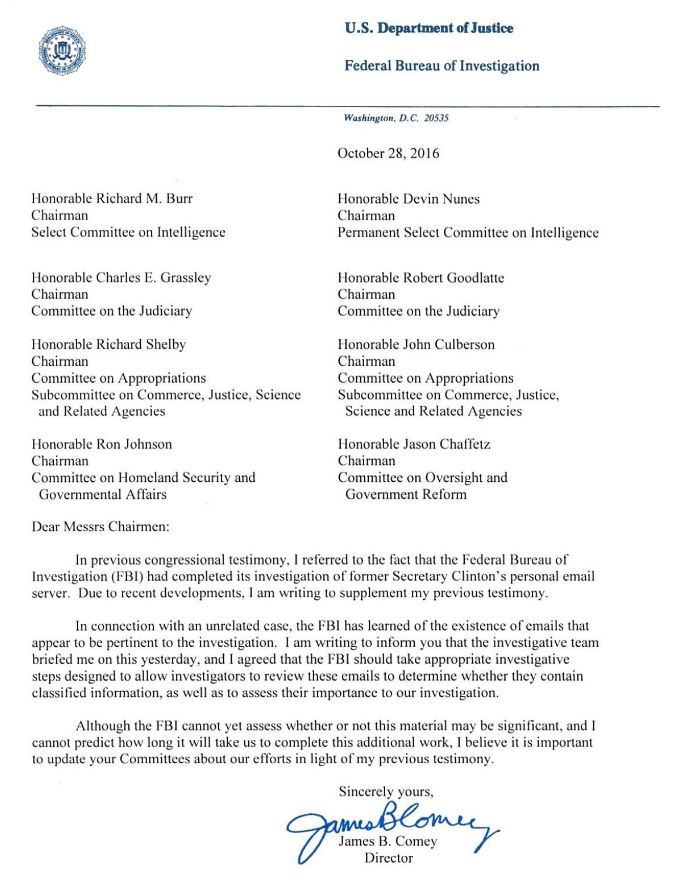
Appointed Director of the FBI in 2013, Comey oversaw the bureau during several consequential matters, including the investigation into Hillary Clinton's use of a private email server and inquiries related to foreign interference in the 2016 U.S. presidential election. His public statements and memoranda about prosecutorial decisions were unusual for the bureau and drew both praise and criticism.
- Major positions: U.S. Attorney, Deputy Attorney General, FBI Director.
- Notable inquiries: 2016 email review and probes into foreign election interference.
- Controversy: Dismissal by President Donald Trump in May 2017 prompted debate over independence and political influence on law enforcement.
After the FBI and public role
Following his removal, Comey gave congressional testimony, wrote a memoir, and remained a public commentator on legal and national security issues. He has emphasized institutional norms, the rule of law, and the independence of investigative agencies in public appearances and writing. His actions and the reactions they provoked continue to inform discussions about oversight, ethics, and the balance between law enforcement and politics.
For further information about his legal career and public statements, see profiles and official records; this article links to general resources about his profession as a lawyer and federal service at the FBI and the Deputy Attorney General role.
Questions and answers
Q: Who is James Comey?
A: James Comey is an American lawyer who served as the 7th Director of the Federal Bureau of Investigation (FBI) and as the United States Deputy Attorney General.
Q: When was James Comey the U.S. Attorney for the Southern District of New York?
A: James Comey was the U.S. Attorney for the Southern District of New York from January 2002 to December 2003.
Q: When was James Comey the Director of the Federal Bureau of Investigation (FBI)?
A: James Comey was the Director of the Federal Bureau of Investigation (FBI) from September 4, 2013 until May 9, 2017.
Q: Who fired James Comey from his position as the Director of the Federal Bureau of Investigation (FBI)?
A: President Donald Trump fired James Comey from his position as the Director of the Federal Bureau of Investigation (FBI) on May 9, 2017.
Q: What was James Comey's role as the Deputy Attorney General?
A: As Deputy Attorney General, James Comey was the second-highest-ranking official in the United States Department of Justice (DOJ), and ran its day-to-day operations.
Q: When was James Comey the United States Deputy Attorney General?
A: James Comey was the United States Deputy Attorney General from December 2003 to August 2005.
Q: What is James Comey's full name?
A: James Comey's full name is James Brien "Jim" Comey, Jr.
Related articles
Author
AlegsaOnline.com James Comey Leandro Alegsa
URL: https://en.alegsaonline.com/art/121272
Sources
- c-span.org : Hillary Clinton Email Investigation
- himes.house.gov : "Himes Congratulates Westport's James Comey as New FBI Director"
- fivethirtyeight.com : "The Comey Letter Probably Cost Clinton The Election"
- vox.com : "4 pieces of evidence showing FBI Director James Comey cost Clinton the election"
- vanityfair.com : "The True Story of the Comey Letter Debacle"
- abcnews.go.com : "FBI Director Comey fired amid Russia probe"
- roanoke.com : "Justice Department denies report Comey requested more funding for Russia probe"
- cnbc.com : "Comey reportedly asked for more resources for Russia probe; DOJ calls reports 'totally false'"
- cnn.com : "White House: Removing Comey will help bring Russia investigation to end"
- umc.org : Next FBI director is a United Methodist
- northjersey.com : Profile
- irishcentral.com : Profile
- politico.com : "james-comey-fbi"