
James W. Black: Scottish pharmacologist who developed propranolol and cimetidine
James W. Black, Scottish physician and pharmacologist, pioneered receptor-targeted drug design that produced propranolol and cimetidine, transforming treatment of heart disease and ulcers and earning him the 1988 Nobel Prize.
Sir James Whyte Black, OM, FRS, FRSE, FRCP (14 June 1924 – 22 March 2010) was a Scottish physician, researcher and pharmacologist. He is best known for designing medicines that changed the management of cardiovascular disease and peptic ulcer disease.
Image gallery
3 Images
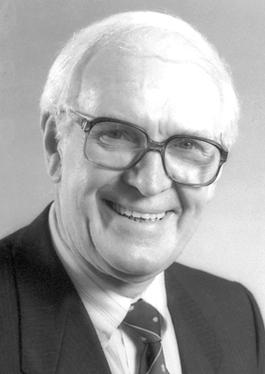

Early research
Black began his scientific career in the university sector, working in the physiology department at the University of Glasgow. There he investigated how adrenaline and related substances influence the human heart, an interest that shaped his later drug-discovery approach: targeting specific physiological receptors to modify disease processes.
Drug development
In 1958 he moved into industrial research when he joined ICI Pharmaceuticals. While at the company he applied receptor-focused ideas to create propranolol, the first widely used selective agent of its class. Propranolol is a beta blocker that became an important therapy for a range of cardiovascular problems and is used to treat many forms of heart disease.
Later in his career Black directed research that led to the development of cimetidine, a medicine that reduces stomach acid and is effective for healing and preventing stomach ulcers. Cimetidine is an important drug in the history of gastroenterology and demonstrated the value of designing drugs to block specific receptors.
Awards and impact
For his work on receptor-directed drug design and for the therapies that resulted, Black was awarded the Nobel Prize in Physiology or Medicine in 1988. His methods and the medicines he helped bring into clinical use have had a lasting effect on both pharmacology and patient care.
Summary
- Nationality: Scottish
- Professions: physician / doctor and pharmacologist
- Key medicines: propranolol (beta blocker) and cimetidine (drug for ulcers)
- Notable honours: OM, FRS, FRSE, FRCP, Nobel Prize (1988)
Questions and answers
Q: Who was Sir James Whyte Black?
A: Sir James Whyte Black was a Scottish doctor and pharmacologist.
Q: What did Sir James Whyte Black become interested in while working in the physiology department at the University of Glasgow?
A: Sir James Whyte Black became interested in how adrenaline affected the human heart while working in the physiology department at the University of Glasgow.
Q: What did Sir James Whyte Black create while working for ICI Pharmaceuticals?
A: Sir James Whyte Black created propranolol and cimetidine while working for ICI Pharmaceuticals.
Q: What is propranolol used for?
A: Propranolol is a beta blocker used to treat heart disease.
Q: What is cimetidine used for?
A: Cimetidine is a drug used to treat stomach ulcers.
Q: When was Sir James Whyte Black awarded the Nobel Prize in Physiology or Medicine?
A: Sir James Whyte Black was awarded the Nobel Prize in Physiology or Medicine in 1988 for creating propranolol and cimetidine.
Q: What are the honors that Sir James Whyte Black received during his lifetime?
A: Sir James Whyte Black was honored with the Order of Merit, the Royal Society, the Royal Society of Edinburgh, and the Royal College of Physicians.
Related articles
Author
AlegsaOnline.com James W. Black: Scottish pharmacologist who developed propranolol and cimetidine Leandro Alegsa
URL: https://en.alegsaonline.com/art/121250
Sources
- dailyrecord.co.uk : "Scottish Nobel prize winner Sir James Black dies at age 85"
- news.stv.tv : "Nobel Prize winning scientist dies"
- nobelprize.org : "Sir James W. Black: The Nobel Prize in Physiology or Medicine"
- archives-records-artefacts.com : "Death of Sir James Black"
- telegraph.co.uk : "Sir James Black, OM"
- google.com : "Heart disease treatment pioneer James Black dies"
- theage.com.au : "Led the way in heart drug find"
- webofstories.com : "Sir James Black talks about his move from ICI to Smith Kline & French (part of a series of in-depth videos of Sir James Black telling his life story (http://webofstories.com)"
- pubs.acs.org : ""anTAGonist" and "ciMETidine""
- thegazette.co.uk : "No. 48542"
- thegazette.co.uk : "No. 55859"
- news.bbc.co.uk : "What is the Order of Merit?"
- laskerfoundation.org : "1976 winners: Albert Lasker Award for Clinical Medical Research"
- nobelprize.org : "1988 Nobel Prize for Medicine"