
Jacques Cousteau: Explorer, Diver, and Ocean Conservationist
French naval officer and ocean explorer Jacques Cousteau (1910–1997) helped develop scuba technology, brought the underwater world to millions through film and TV, and campaigned for marine conservation.
Overview
Jacques-Yves Cousteau (11 June 1910 – 25 June 1997) was a French naval officer, explorer, ecologist, filmmaker, scientist, photographer, author and researcher who studied the sea. He became widely known by the public as "le Commandant Cousteau" or simply Captain Cousteau. Through books, documentaries and television series he helped introduce the underwater world to a global audience and made marine issues part of public debate.
Image gallery
7 Images



Career and innovations
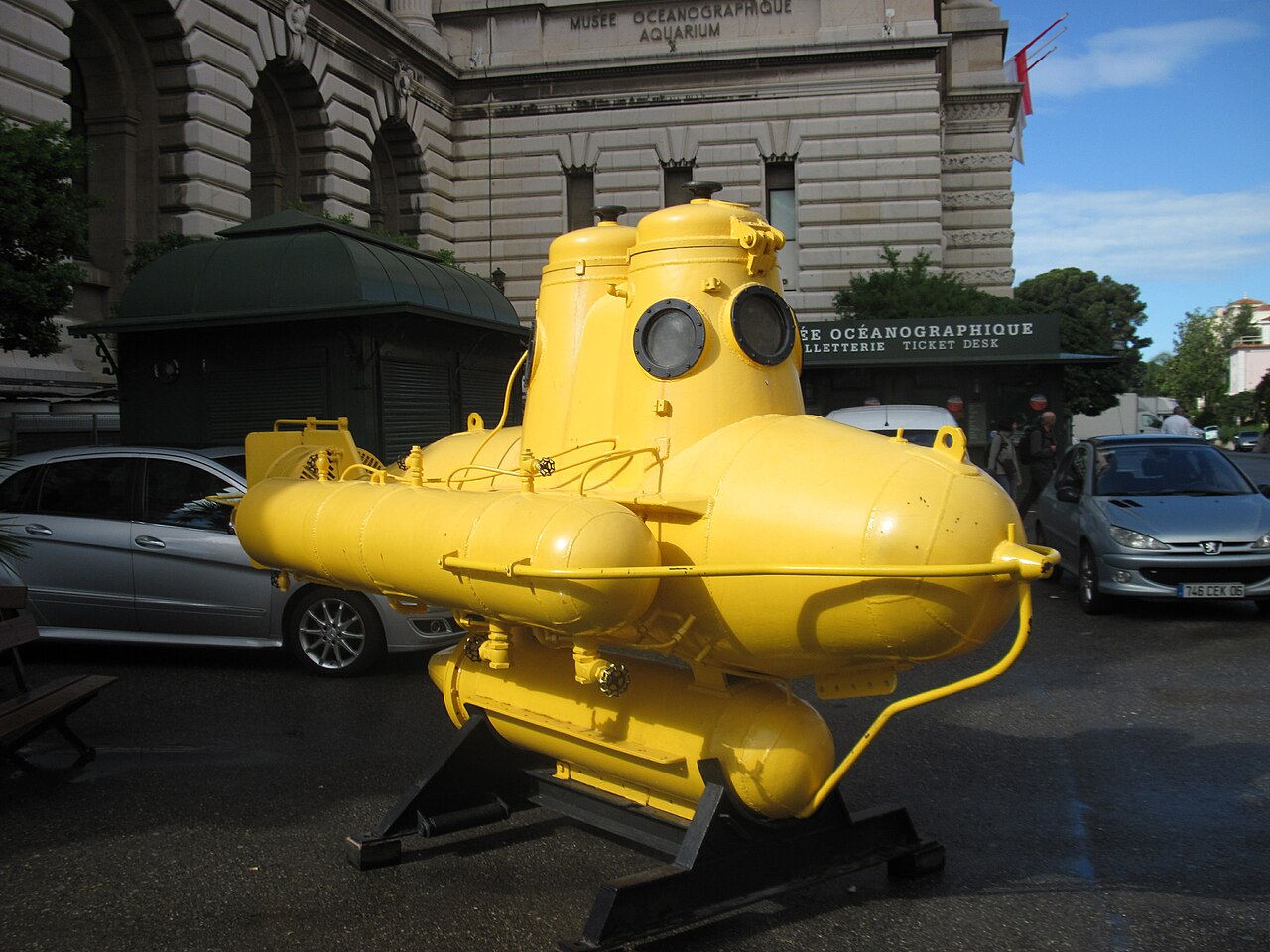
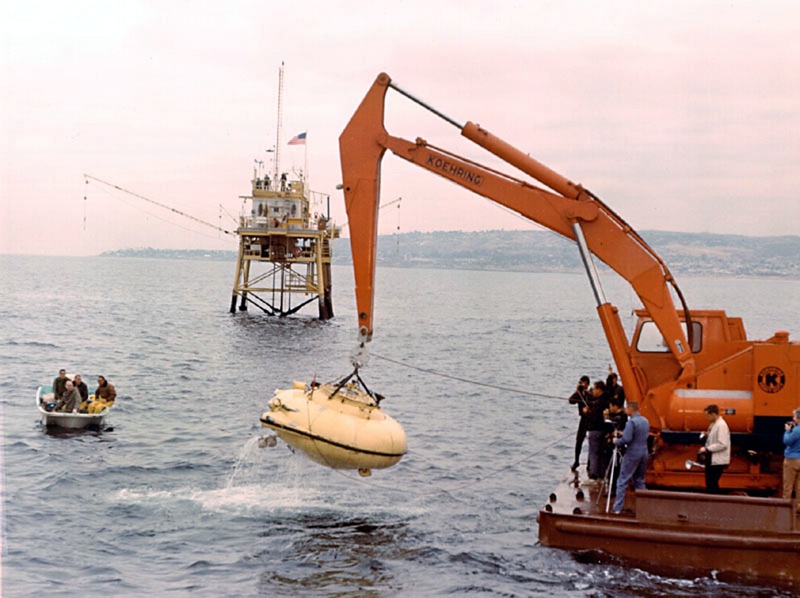
Cousteau trained as a naval officer and later combined seamanship with a deep interest in submerged environments. He is best known for co-developing an early open-circuit scuba set—commonly called the aqualung—with engineer Émile Gagnan, which made prolonged underwater exploration by small teams practical. He commanded the research vessel Calypso for decades, equipping it for scientific work, underwater photography and filming. Cousteau and his collaborators also adapted cameras, lighting and small submersible equipment to expand what could be observed beneath the waves.
Media, books and public outreach
Cousteau used film and television to popularize oceanography. His 1950s films and the later television series reached millions and inspired many to study or protect marine environments. Notable works combined dramatic underwater cinematography with scientific narration and personal reflection. He authored numerous books aimed at both specialist and general readers, and his films won awards at international festivals.
Conservation and legacy
In later decades Cousteau shifted emphasis from exploration toward environmental protection. He helped establish organizations to advocate for marine conservation and to monitor threats such as overfishing, pollution and habitat loss. The Cousteau Society, created to promote awareness and preservation of ocean life, carried his public voice into policy and education. His work influenced generations of divers, researchers and activists and helped make ocean stewardship a mainstream concern.
Notable contributions
- Technological: early scuba development, underwater filming techniques and small submersible platforms.
- Cultural: groundbreaking films and television programs that brought marine science to a mass audience.
- Conservation: founding and supporting organizations aimed at protecting marine ecosystems and species.
While Cousteau's style and some of his earlier methods attracted criticism over time—particularly as environmental science advanced—his role in opening the seas to public view and in creating a modern popular movement for ocean protection remains central to his global reputation.
Questions and answers
Q: Who is Jacques Cousteau?
A: Jacques-Yves Cousteau is a French naval officer, explorer, ecologist, filmmaker, innovator, scientist, photographer, author, and researcher who studied the sea and all forms of life in water.
Q: When was Jacques Cousteau born?
A: Jacques Cousteau was born on June 11, 1910.
Q: When did Jacques Cousteau die?
A: Jacques Cousteau died on June 25, 1997.
Q: What did Jacques Cousteau help create?
A: Jacques Cousteau helped create the aqua-lung, which allows divers to stay underwater for extended periods of time.
Q: What was Jacques Cousteau's contribution to marine conservation?
A: Jacques Cousteau's work as a researcher and filmmaker helped to promote marine conservation and raise awareness about the importance of protecting ocean life.
Q: What is the Académie française, and was Jacques Cousteau a member of it?
A: The Académie française is a French learned society established in 1635. Jacques Cousteau was a member of the Académie française.
Q: What were some of Jacques Cousteau's professions?
A: Jacques Cousteau was a naval officer, explorer, ecologist, filmmaker, innovator, scientist, photographer, author, and researcher.
Related articles
Author
AlegsaOnline.com Jacques Cousteau: Explorer, Diver, and Ocean Conservationist Leandro Alegsa
URL: https://en.alegsaonline.com/art/121175
Sources
- cousteau.org : "Cousteau Society - Captain Jacques Cousteau"
- cousteau.org : Cousteau Foundation
- atheisme.free.fr : Témoignage: La "conversion" du commandant Cousteau à l'Islam
- blogs.nationalgeographic.com : blogs.nationalgeographic.com/blogs/news/chiefeditor/2010/06/jacques-cousteau-would-be-hea…