
Blast injury: causes, classification, effects and clinical management
An overview of blast injuries from explosive events: mechanisms, the main injury types, organs affected, acute care and long-term physical and psychological consequences.
A blast injury is any physical harm that follows exposure to an explosive event or high‑pressure wave generated by an explosion. Such events can range from industrial or accidental detonations to deliberate acts of violence. The term covers an array of trauma patterns produced by the blast wave itself, flying debris and the secondary effects of being thrown or crushed. For a concise primer on the initiating event see explosive blast.
Image gallery
9 Images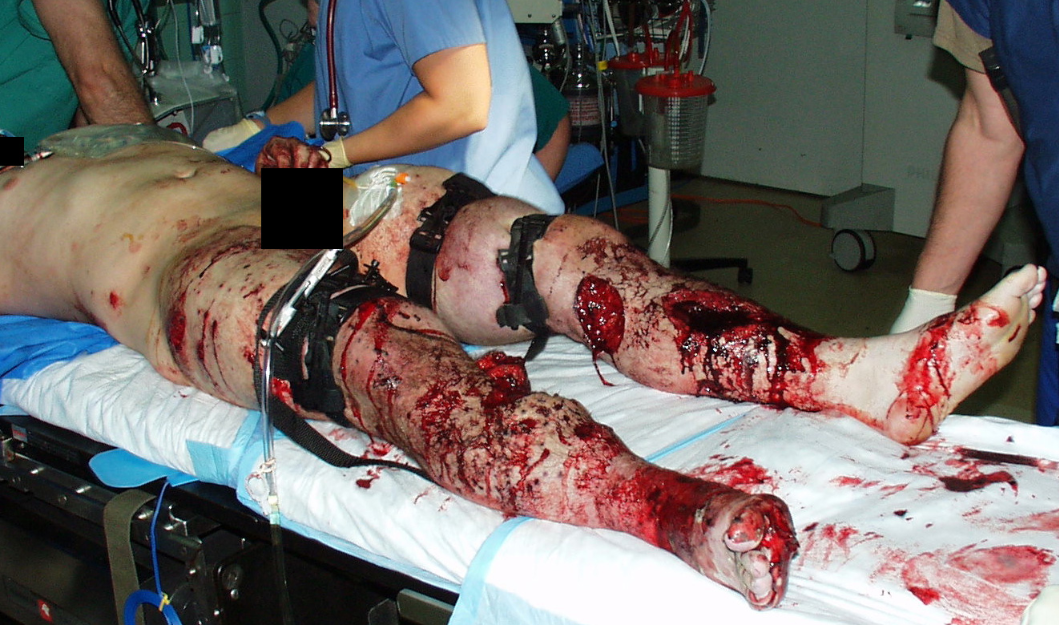




Classification and typical patterns
- Primary blast injuries result from the direct effect of the overpressure wave on air‑filled or fluid‑filled organs. The lungs, middle ear and gastrointestinal tract are especially vulnerable; a classic finding is blast lung (pulmonary barotrauma).
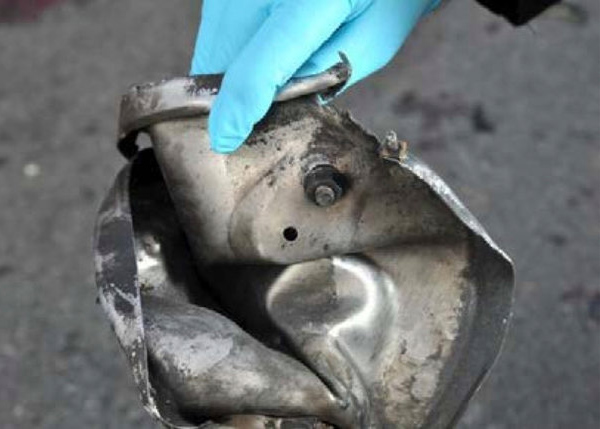
- Secondary blast injuries are caused by fragments, shrapnel and other projectiles that produce penetrating or blunt trauma.
- Tertiary blast injuries occur when the blast wind throws a victim against a solid object, causing fractures, blunt head injury and internal organ damage.
- Quaternary injuries include burns, crush injuries, inhalation of combustion products and exacerbation of preexisting conditions.
- Quinary or systemic illnesses describe toxic or inflammatory syndromes following exposure to contaminants, fuels or additives; sources discuss these under blast-related illnesses.
- Psychological consequences such as acute stress reactions and longer‑term disorders are common after explosions; disorders like post-traumatic stress disorder are widely recognized sequelae.
The combination of these mechanisms explains why a single explosion can produce a complex injury pattern in one person: e.g., eardrum rupture from primary overpressure, cuts from secondary fragments, a broken limb from tertiary impact, and burns from quaternary heat.
Mechanisms, common findings and diagnostics
Primary blast effects are mediated by a sudden pressure rise followed by underpressure; symptoms can be immediate or delayed. The ear is often the most sensitive organ, with tympanic membrane rupture serving as a marker for possible internal barotrauma. Pulmonary injury ranges from contusion and hemorrhage to pneumothorax; abdominal hollow‑organ rupture is a concern. Brain injury may occur without a penetrating wound through pressure transmission and acceleration forces. Clinical assessment prioritizes airway, breathing and circulation, with chest imaging, CT and focused ultrasound used to detect internal injuries that may not be externally apparent.
Treatment, recovery and public health aspects
Initial management follows trauma and mass‑casualty principles: triage, stabilization, control of hemorrhage and prompt transfer for surgical or critical care when needed. Specific treatments address pneumothorax, hemorrhage control, wound care and burn management. Rehabilitation often requires multidisciplinary input: orthopedics, pulmonology, audiology and mental health services. Long‑term follow up is important because some blast effects—lung fibrosis, cognitive changes, chronic pain and psychiatric conditions—can evolve over months to years.
Historically, large numbers of blast injuries have been recorded in military conflicts and in peacetime by industrial accidents, terrorist attacks and accidental explosions. Understanding blast pathophysiology has shaped protective strategies, from personal protective equipment to building design and public‑safety planning. Prevention, timely emergency response and integrated aftercare are key to reducing mortality and long‑term disability after explosive events.
Questions and answers
Q: What is a blast injury?
A: A blast injury is an injury caused by exposure to an explosive blast.
Q: How many types of blast injuries are there?
A: There are four main types of blast injuries.
Q: Are there any other types of blast injuries aside from the four?
A: Yes, there is a fifth type for illnesses caused by the blast and a sixth type for the effects of psychological trauma after the blast.
Q: What are the four main types of blast injuries?
A: The four main types of blast injuries are primary, secondary, tertiary, and quaternary.
Q: What is meant by primary blast injury?
A: Primary blast injury refers to injuries caused by the direct impact of the blast wave on the body.
Q: What is meant by secondary blast injury?
A: Secondary blast injury refers to injuries caused by projectiles propelled by the blast wave.
Q: What is Post-traumatic Stress Disorder (PTSD)?
A: Post-traumatic Stress Disorder (PTSD) is a mental health disorder that can develop after exposure to a traumatic event, such as an explosive blast.
Tags
Related articles
Author
AlegsaOnline.com Blast injury: causes, classification, effects and clinical management Leandro Alegsa
URL: https://en.alegsaonline.com/art/12115
Sources
- cdc.gov : CDC: Explosions and Blast Injuries: A Primer for Clinicians
- ncbi.nlm.nih.gov : PMID 23111614
- ncbi.nlm.nih.gov : PMID 18268871