
Jürgen Habermas: Life, Thought and the Theory of Communicative Action
Overview of Jürgen Habermas, the German philosopher and sociologist known for communicative action, the public sphere, deliberative democracy and contributions to critical theory.
Overview
Jürgen Habermas (born June 18, 1929, in Düsseldorf) is a German philosopher and sociologist widely regarded for expanding and reformulating critical theory in the postwar period. He is best known for his work on the public sphere, the role of language in social life, and a theory of rationality centered on communication rather than technical calculation. Habermas has written influential books that bridge social theory, political philosophy and practical questions about democracy and law.
Image gallery
6 Images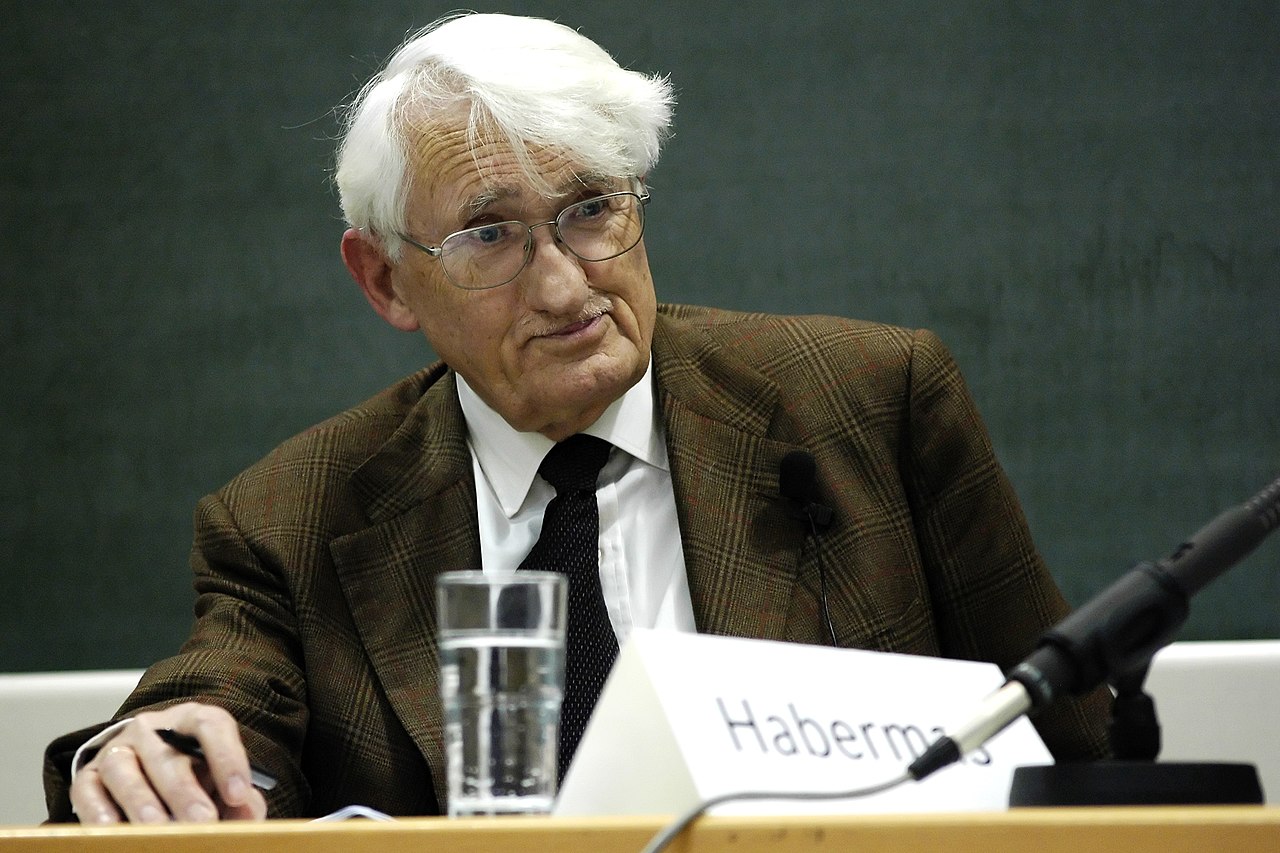
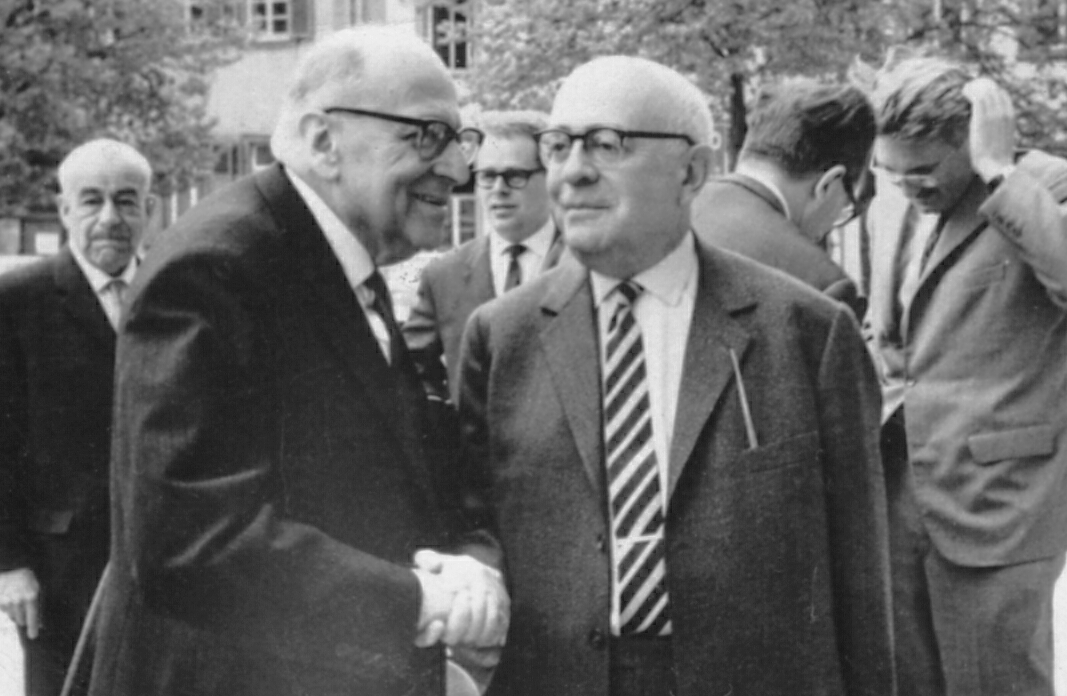
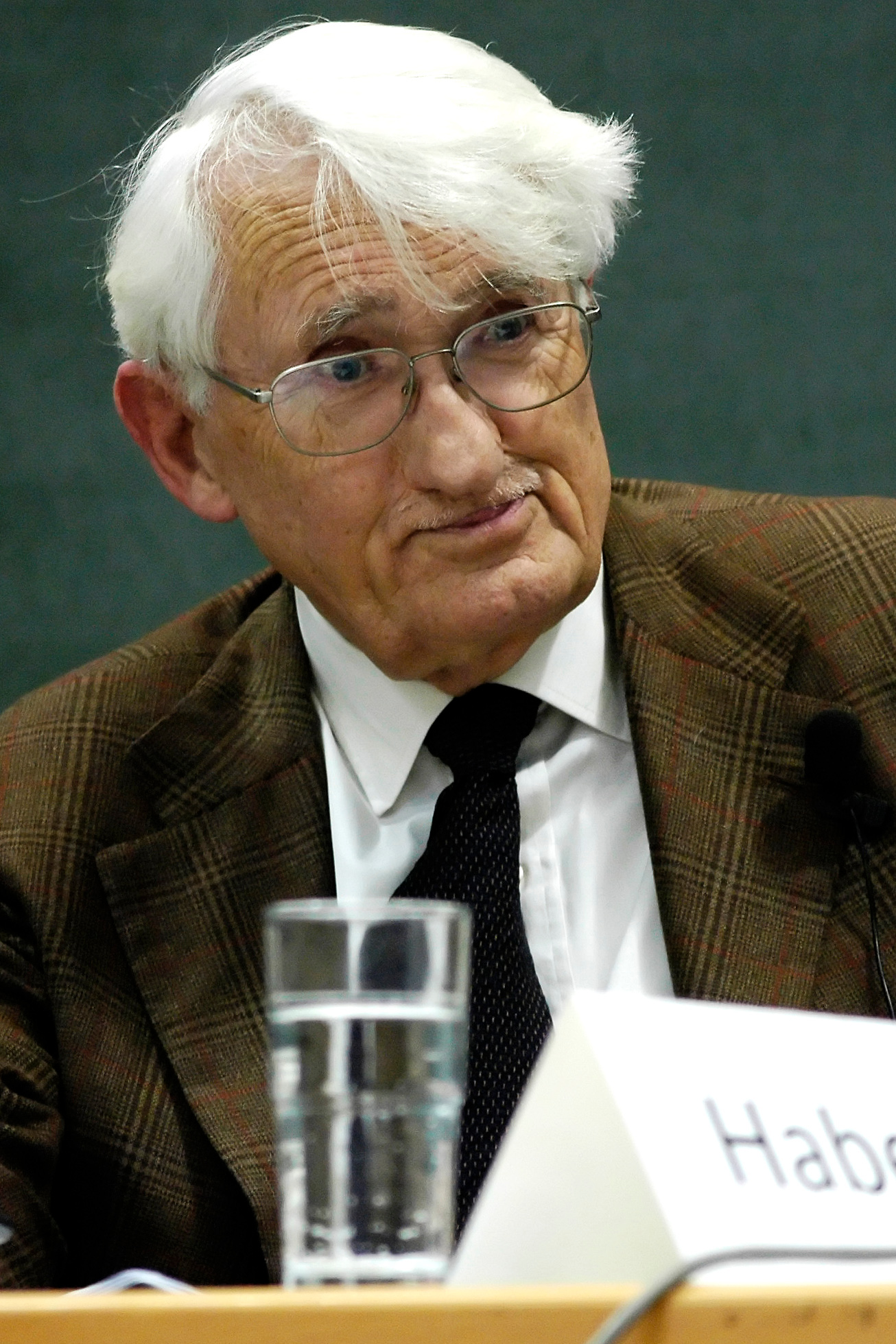


Core ideas and concepts
Habermas developed a cluster of interrelated ideas that appear across his work. Central among them are:
- Communicative action: social interaction oriented toward mutual understanding rather than strategic success.
- Public sphere: arenas of discussion where citizens deliberate about common concerns, distinct from market and state institutions.
- Lifeworld and system: a distinction between cultural, social and personal backgrounds that sustain meaning (lifeworld) and the formal structures of economy and administration (system).
- Discourse ethics: a normative framework that treats legitimate norms as those that could gain agreement in open, rational discussion.
Intellectual background and development
Habermas belongs to the second generation of thinkers associated with the Frankfurt School and drew on a range of sources, including German idealism, Marxist social theory, and American pragmatism. He engaged with pragmatist themes about the consequences of inquiry and action while insisting on the distinctive role of communicative rationality. His theoretical program moved from diagnosing social pathologies in earlier works to offering reconstructive theory aimed at democratic reform.
Major works and examples
- The Structural Transformation of the Public Sphere (1962) — an historical and sociological study of how bourgeois public debate emerged and later changed.
- The Theory of Communicative Action (two volumes, 1981) — a sustained argument for communicative rationality and an account of lifeworld/system dynamics.
- Later writings apply these ideas to constitutional theory, human rights, and the conditions for deliberative democracy.
Uses, influence and debates
Habermas's work is widely used in sociology, political theory, law and communication studies. It has shaped discussions about democratic legitimacy, the design of deliberative institutions, and the ethical foundations of public reasoning. At the same time, his claims have provoked debate—critics challenge the practicality of idealized discourse conditions, the Eurocentric focus of some historical accounts, and the sufficiency of rational argument against power imbalances.
Further reading and resources
For introductory material, many surveys and translations exist that explain Habermas's position within contemporary social thought. For context on related traditions see critical theory, and for influences on his methodology see American pragmatism. Discussions of language and society that intersect with his work can be found under topics of communication theory. These resources offer accessible entry points into Habermas's arguments and the debates they have generated.
Questions and answers
Q: Who is Jürgen Habermas?
A: Jürgen Habermas is a German philosopher and sociologist who studies different societies and uses critical theory and American pragmatism to understand how people use power and if something is true or not.
Q: What is critical theory?
A: Critical theory is a type of theory used by Jürgen Habermas to study how people use power.
Q: What is American pragmatism?
A: American pragmatism is a theory used by Jürgen Habermas that studies if something is true or not by the effects of actions.
Q: What is the theory of the public sphere?
A: The theory of the public sphere is one of Jürgen Habermas's most well-known works. It studies power in democracy and politics, and how people develop a society through language and communication.
Q: What does Jürgen Habermas study?
A: Jürgen Habermas studies how people use power, the theory of the public sphere, power in democracy and politics, and how people develop a society through language and communication.
Q: Why is Jürgen Habermas famous?
A: Jürgen Habermas is famous for his work on the theory of the public sphere, where he studies power in democracy and politics, as well as how people develop a society through language and communication.
Q: How does Jürgen Habermas approach his studies?
A: Jürgen Habermas uses critical theory and American pragmatism in his studies to understand how people use power and if something is true or not by the effects of actions.
Related articles
Author
AlegsaOnline.com Jürgen Habermas: Life, Thought and the Theory of Communicative Action Leandro Alegsa
URL: https://en.alegsaonline.com/art/121067
Sources
- erz.uni-hannover.de : erz.uni-hannover.de