
Isadora Duncan: Pioneer of Modern Dance
Isadora Duncan (1877–1927), American dancer who rejected classical ballet for natural, expressive movement; influential founder of modern dance, noted for her teaching, dramatic life, and lasting artistic legacy.
Overview
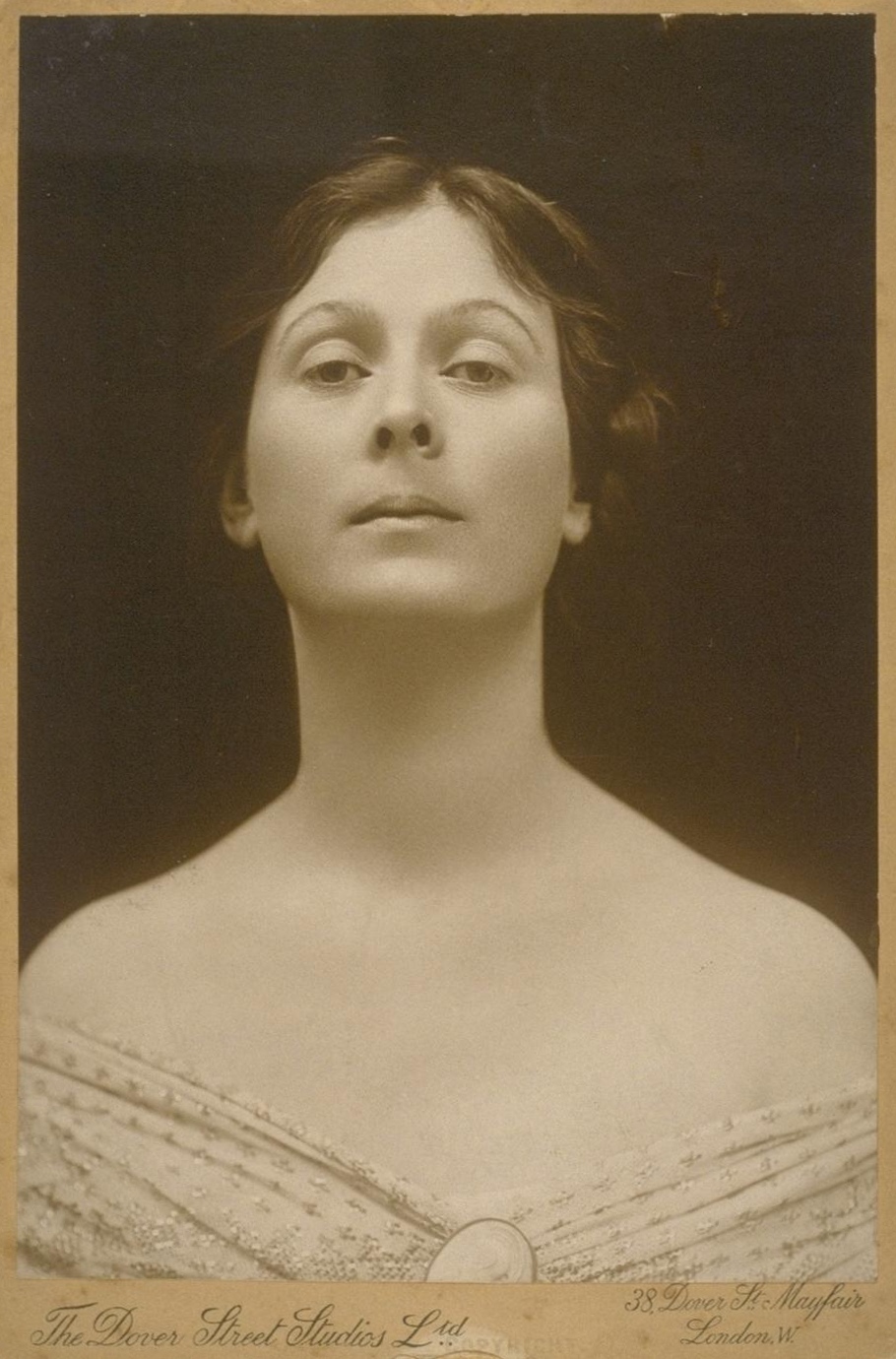
Isadora Duncan was an American dancer whose experiments with movement helped create what is now called modern dance. Rejecting the constraints of 19th‑century classical ballet, she favored simple, flowing gestures inspired by nature and ancient Greek art. Her approach emphasized freedom of the torso, expressive arm work and an informal, theatrical presence onstage. Duncan’s career combined performance, teaching and outspoken personal and political views; she remains a central figure in the history of Western dance.
Image gallery
10 Images





Artistic principles and style
Duncan developed a vocabulary of movement that prized naturalness over codified technique. She disapproved of tightly structured ballet positions and pointe work, arguing that dance should arise from breath and emotion. Typical features of her style include:
- long, continuous lines and flowing arm movements
- use of bare feet to connect with the floor
- simple melodramatic gesture and mime rather than virtuosic steps
- costuming that echoed classical drapery — light, loose fabrics that revealed the body's silhouette
- inspiration drawn from natural forms, poetry and antique sculpture
She staged solos and group pieces alike with an emphasis on spontaneity and the expression of inner feeling. Critics were divided: some found her performances radical and liberating, others dismissed them as undisciplined.
Life and career
Born in San Francisco, Duncan left the United States as a young woman to pursue a professional life in Europe, where she lived and worked in cities such as Paris and London. She opened free‑style schools in several capitals, including Moscow and Berlin, teaching groups of students in what she envisioned as a return to natural, communal forms of dance. Although these schools often proved short‑lived as institutions, many pupils carried Duncan’s ideals into later teaching and choreography.
Personal life, beliefs and public image
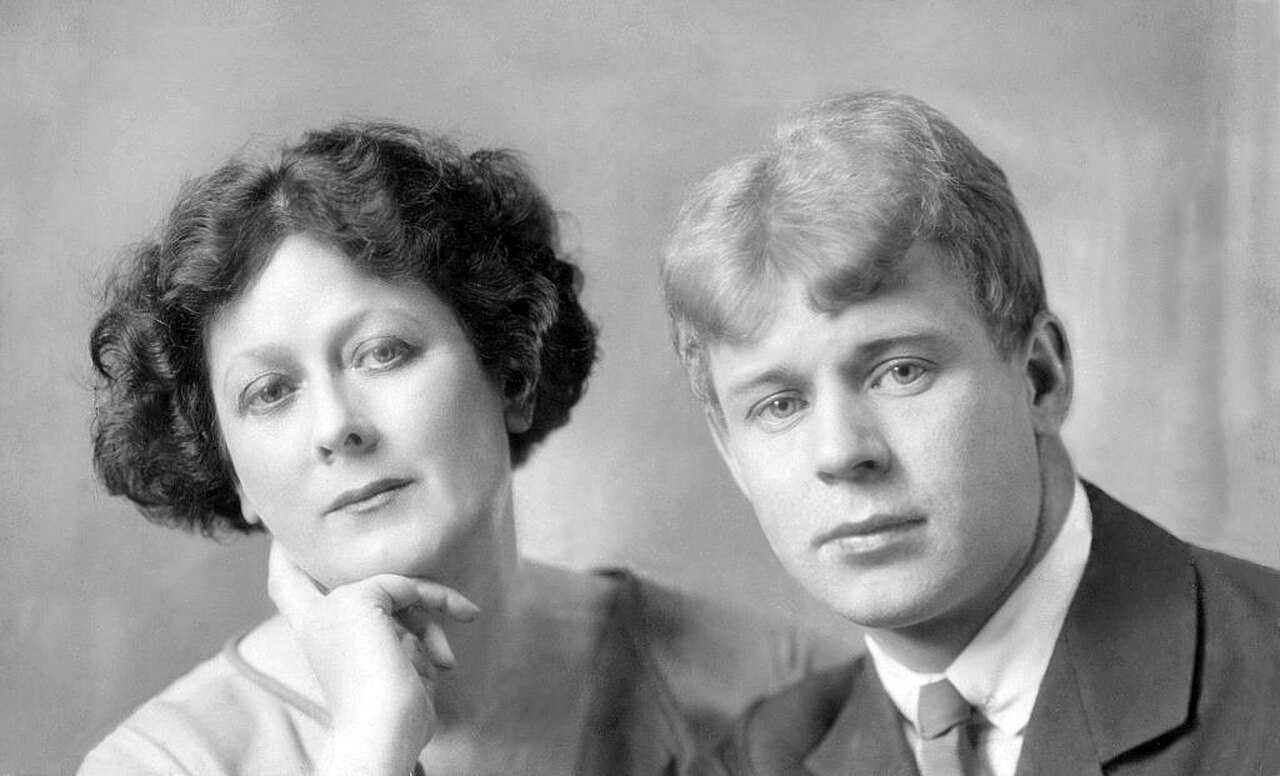
Duncan’s private life was as unconventional as her art. She had relationships with both men and women, bore children outside marriage, and adopted left‑wing political causes that included visits to the Soviet Union. Her charisma, anti‑establishment stances and dramatic personal tragedies made her a frequent subject of public fascination. She also cultivated a literary and philosophical sensibility, blending performance with ideas drawn from poetry, music and classical antiquity.
Legacy and influence
Though some of Duncan’s specific practices were contested by later modernists, her insistence on natural movement and emotional honesty reshaped ideas about what dance could express. She influenced succeeding generations of choreographers and teachers who pursued expressive, non‑balletic approaches to movement. Museums, dance companies and scholars continue to study her choreography, writings and photographs as part of the history of modern performance.
Further reading and resources
For biographies, archival materials and introductions to her work, see the following resources:
- Biography and timeline
- Essays on modern dance and Duncan's role
- San Francisco origins and early life
- Context on American cultural background
- Comparisons with classical ballet
- Influence of Greek art and aesthetics
- Visual archives of poses and sculpture references
- Descriptions of mime and gesture in her work
- Accounts of her time in the Soviet Union
- Materials on her life in Paris
- Resources about her London performances
- Information on the Moscow school and pupils
- Records relating to the Berlin school and tours
Questions and answers
Q: Who was Isadora Duncan?
A: Isadora Duncan was an American dancer who was an inspiration for modern dance.
Q: Where was Isadora Duncan born?
A: Isadora Duncan was born in San Francisco, California.
Q: What was Isadora Duncan's dance style?
A: Isadora Duncan preferred natural movement, instead of what she called the artificial movements of ballet. Her 'free dance movement' was based on simple, flowing movements of the body.
Q: What inspired Isadora Duncan's dance style?
A: Isadora Duncan’s dance style was inspired by nature and ancient Greek sculptures.
Q: What was unique about Isadora Duncan's costumes?
A: Isadora Duncan's costumes were flowing and transparent.
Q: Where did Isadora Duncan live throughout her life?
A: Isadora Duncan lived in Paris, London, and other European cities. She also started dance schools in Moscow, Berlin, and Paris.
Q: What were some of Isadora Duncan's unconventional choices in her personal life?
A: Isadora Duncan was a bisexual who had two children but did not marry either of their fathers. She also became a communist and boasted about it. She went to the Soviet Union in 1922 but left in less than two years.
Related articles
Author
AlegsaOnline.com Isadora Duncan: Pioneer of Modern Dance Leandro Alegsa
URL: https://en.alegsaonline.com/art/120992
Sources
- select.nytimes.com : "Isadora Duncan, dragged by scarf from auto, killed"
- isadoraduncan.org : Isadora Duncan Dance Foundation
- isadoraduncan.org : Lori Belilove