
Isabella of France (1295–1358)
Queen consort Isabella of France (1295–1358), wife of Edward II, led opposition with Roger Mortimer, deposed her husband and acted as regent for her son Edward III. A controversial figure in English medieval history.
Isabella of France (1295–1358) was a medieval princess who became the queen consort of England through her marriage to Edward II. Daughter of King Philip IV of France, she arrived in England as a foreign bride and initially fulfilled the ceremonial and dynastic duties expected of a queen. Over time her role shifted from consort to active political actor, and she remains one of the most debated figures of 14th‑century England.
Image gallery
10 Images


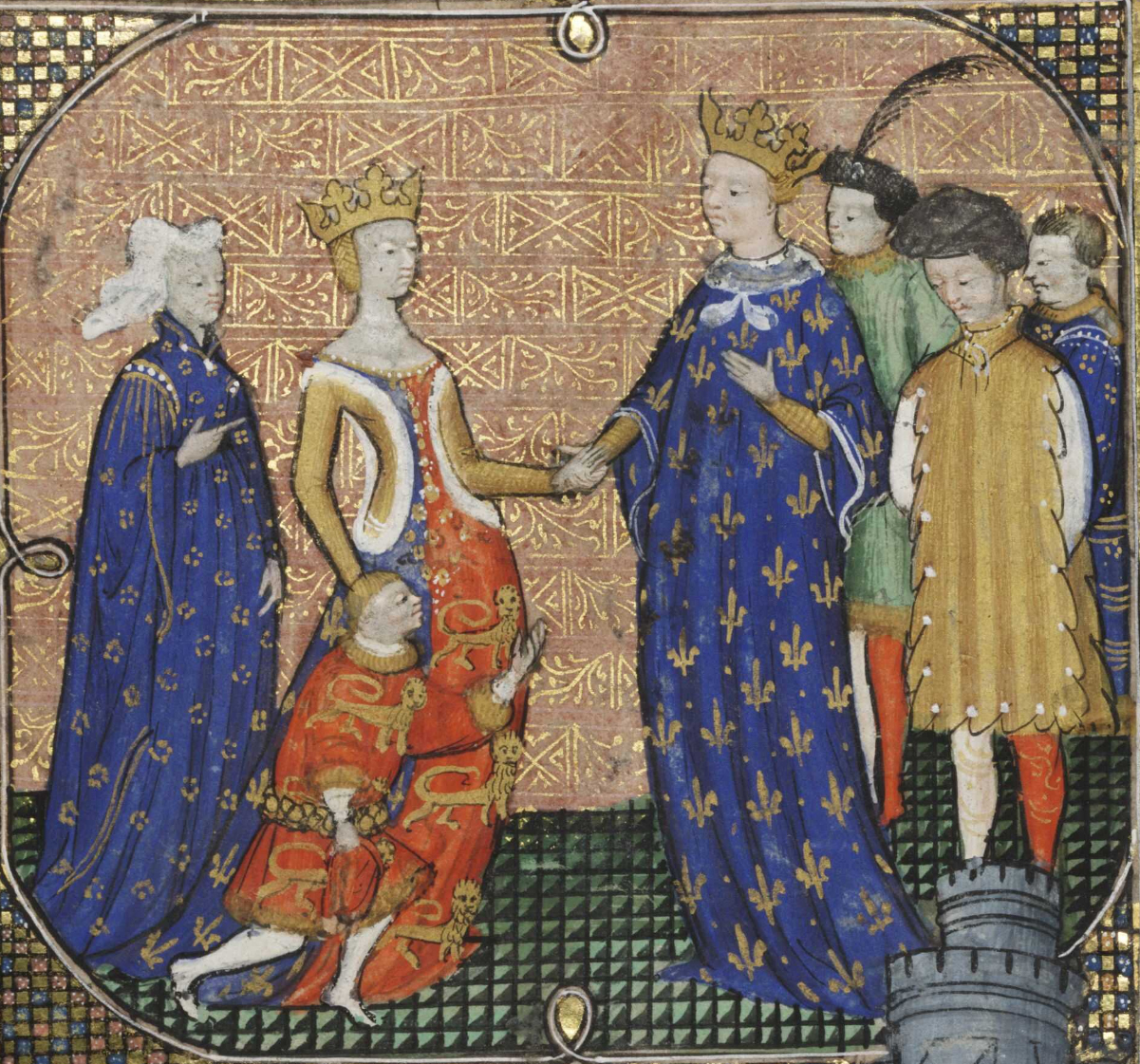


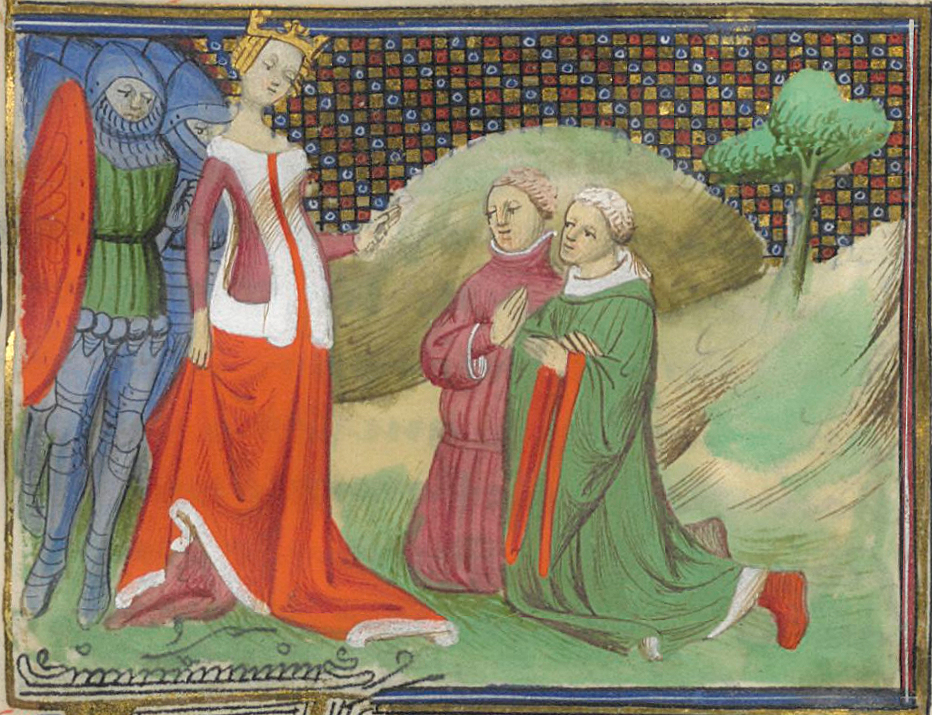

Origins, marriage and family
Born into the Capetian royal house, Isabella was married to Edward II in 1308 in a union intended to cement ties between England and France. The marriage produced children, most notably her son who succeeded his father as Edward III. Her position combined the responsibilities of a queen with the complex loyalties of a Franco‑English princess in an era of dynastic rivalry.
Political action and deposition of Edward II
By the mid‑1320s Isabella's relationship with Edward II and his favourites had deteriorated. She traveled to France in 1325 on diplomatic business and subsequently allied with the exile Roger Mortimer. In 1326 she led an invasion of England with Mortimer that culminated in Edward II's arrest and forced abdication in 1327. Contemporary and later writers accused her of an affair with Mortimer; that allegation shaped much of her later reputation and the chronicled record.
Regency, fall from power and later life
After Edward II's deposition Isabella acted as a guardian and regent for the young Edward III, exercising authority alongside Mortimer. Their joint rule ended when Edward III asserted his independence in 1330, arresting Mortimer and removing Isabella from active government. She thereafter lived largely in retirement, retaining wealth and influence as a dowager queen until her death in 1358.
Legacy and historical assessment
Isabella's life has attracted sustained attention from historians, novelists and dramatists. She is often portrayed as a determined political operator who broke with the submissive ideal of queenship, and as a controversial figure blamed for both moral transgression and statecraft. Debate continues over her motives, the extent of her agency, and the circumstances of Edward II's end, which remain subjects of scholarly caution and differing interpretations.
Key events and notable facts
- Birth into the Capetian dynasty and marriage to Edward II (1308).
- Travel to France (1325) and alliance with Roger Mortimer, leading to the 1326 invasion.
- Deposition of Edward II (1327) and regency for Edward III.
- Removal from power after Edward III's coup in 1330 and years of retirement until 1358.
Further reading and portrayal
Isabella's story has been retold in chronicles, later historical studies and drama. For introductions to her life and influence see general medieval histories and specialized studies of the reign of Edward II and the early years of Edward III (queen consort), biographies of Edward II (Edward II), works on medieval regency (regent) and surveys of the early Plantagenet period (Edward III). Controversial aspects of her life and public image are discussed in studies of royal reputation and medieval gender politics (reputation).
Questions and answers
Q: Who was Isabella of France?
A: Isabella of France was the Queen consort of England and wife of Edward II of England.
Q: What was Isabella of France's role as Regent of England?
A: Isabella of France acted as Regent of England for her son Edward III when he was too young to rule.
Q: What was the reputation of Isabella of France?
A: Isabella of France had one of the worst reputations of any English queen.
Q: When did Isabella of France have a bad reputation?
A: Isabella of France had a bad reputation after 1325.
Q: What was Isabella of France's status before 1325?
A: Isabella of France was a traditional queen consort before 1325.
Q: Who was Isabella of France's son?
A: Isabella of France's son was Edward III of England.
Q: When did Isabella of France die?
A: Isabella of France died on August 22, 1358.
Related articles
Author
AlegsaOnline.com Isabella of France (1295–1358) Leandro Alegsa
URL: https://en.alegsaonline.com/art/120983
Sources
- Isabella of France