
Ingmar Bergman (1918–2007): Swedish film and theatre director
Ingmar Bergman was a Swedish stage and film director whose psychologically intense, formally inventive films shaped modern cinema and influenced generations of filmmakers worldwide.

Ernst Ingmar Bergman (14 July 1918 – 30 July 2007) was a Swedish artist known for his work in both theatre and cinema. He made films and stage productions that probe existential questions—faith, death, identity, and human relationships—often combining austere visual composition with intimate performances. Bergman is widely regarded as one of the major figures in 20th‑century film and dramatic arts.
Image gallery
10 Images


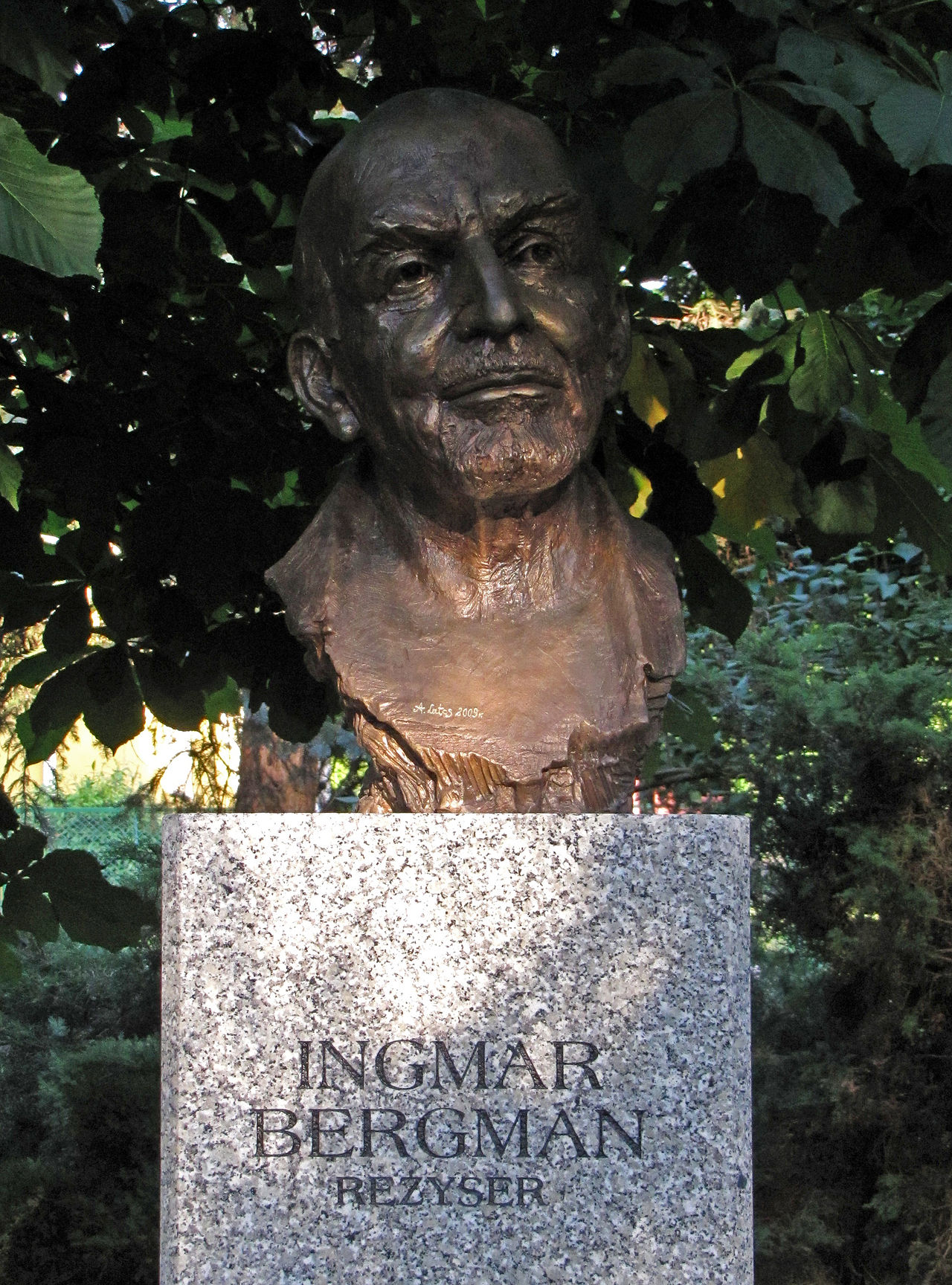


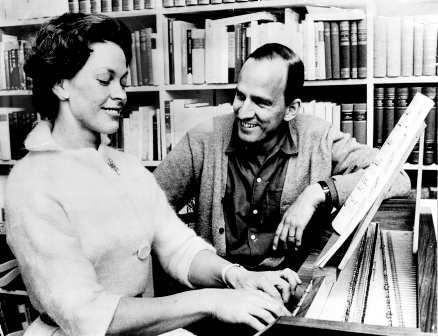
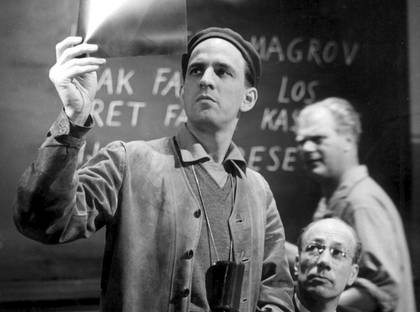
Life and career overview
Bergman trained and worked in Sweden, where his upbringing and cultural setting shaped his themes and sensibilities. He directed for the stage as well as for the screen and led companies at major institutions such as the national drama theatre. His reputation grew through a steady output of feature films, television plays and theatre productions that reached international audiences and film festivals.
Themes and style
Bergman's work is marked by recurring preoccupations: mortality, the silence or absence of God, marital and parental conflict, and the frailty of memory. Formally he employed close framing, stark lighting contrasts, and deliberate pacing to foreground actors' faces and psychological nuance. His films range from stark allegory to razor‑sharp domestic drama and often blur the line between theatrical and cinematic techniques.
Notable films and collaborators
- Famous titles include spiritually searching and formally influential works that became touchstones for art cinema.
- He frequently worked with a repertory of actors and technicians who shaped the tone of his work across decades.
- Several films earned wide critical acclaim and prizes at international festivals and ceremonies.
Bergman also maintained an active theatrical life, directing new plays and revivals and influencing the practice of stage direction. For more on his linguistic and national context see Swedish, and for background on his position in cinema and stage history consult specialized resources. His work at national theatres is documented in histories of the Royal Dramatic Theatre and similar institutions.
Influence and legacy
Bergman's psychological rigor and formal clarity influenced many filmmakers and theatre directors. Directors who have acknowledged or shown his influence include Woody Allen, Robert Altman, Andrei Tarkovsky and Ang Lee. Film scholars and practitioners continue to study his techniques, narrative strategies and thematic preoccupations; see general surveys of film technique and annotated filmographies for entry points.
Today Bergman is remembered for his uncompromising inquiry into human experience and for helping to expand what cinema and theatre could express. His films remain widely screened, taught in film and drama programs, and cited as touchstones in discussions of art‑house and auteur filmmaking.
Questions and answers
Q: Who was Ernst Ingmar Bergman?
A: Ernst Ingmar Bergman was a Swedish stage and movie director.
Q: What themes did he explore in his work?
A: He explored bleakness, despair, comedy, and hope in his explorations of the human condition.
Q: How is he regarded by many filmmakers?
A: He is regarded as one of the great masters of modern cinema by many filmmakers worldwide.
Q: Who are some of the filmmakers who have cited Bergman's work as an influence on their own?
A: American filmmakers Woody Allen and Robert Altman, Russian director Andrei Tarkovsky, and Taiwanese director Ang Lee have all cited Bergman's work as an influence on their own.
Q: When was Ernst Ingmar Bergman born?
A: Ernst Ingmar Bergman was born on July 14th 1918.
Q: When did he pass away?
A: He passed away on July 30th 2007.
Q: How do you pronounce 'Ernst Ingmar Bergman' in English?
A: In English it is usually pronounced [ˈbɝgmən].
Related articles
Author
AlegsaOnline.com Ingmar Bergman (1918–2007): Swedish film and theatre director Leandro Alegsa
URL: https://en.alegsaonline.com/art/120931
Sources
- imdb.com : Ingmar Bergman
- nytimes.com : "Ingmar Bergman, Famed Director, Dies at 89"
- time.com : "Woody Allen on Ingmar Bergman"
- imdb.com : "Robert Altman biography"
- archive.sensesofcinema.com : "Andrei Tarkovsky"
- ingmarbergman.se : "Ang Lee praises Bergman"
- dn.se : dn.se/DNet/jsp/polopoly.jsp
- wtopnews.com : wtopnews.com
- oscars.org : "The 33rd Academy Awards (1961) Nominees and Winners"
- oscars.org : "The 34th Academy Awards (1962) Nominees and Winners"
- berlinale.de : "Berlinale: Prize Winners"
- amacad.org : "Book of Members, 1780–2010: Chapter B"
- gishprize.org : gishprize.org