
Humberto de Alencar Castelo Branco
Brazilian marshal and politician; first president of the military government after the 1964 coup (1964–1967). Implemented Institutional Acts, pursued anti‑communist and stabilization policies; died in a 1967 plane collision.
Overview
Marshal Humberto de Alencar Castelo Branco (20 September 1897 – 18 July 1967) was a Brazilian military officer and statesman who became the first President of the Brazilian military government after the 1964 coup d'état. He led the country through the initial phase of military rule from 1964 to 1967, overseeing institutional changes and policies intended to restore order and prevent perceived leftist threats.
Image gallery
7 Images



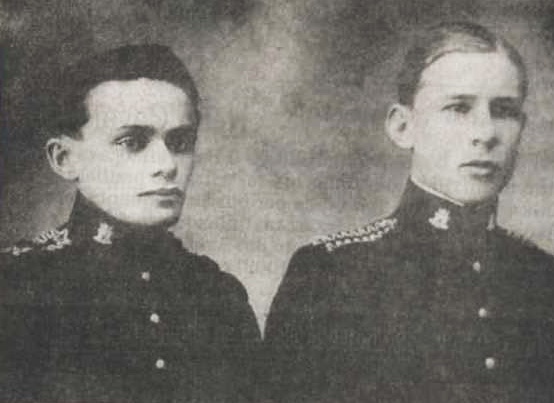
Military career and rise to power
Castelo Branco made his career in the Brazilian army and achieved senior rank and influence among the officer corps. In the political crisis of 1964, commanders and civilian allies selected him to head the provisional government and then to assume the presidency, on the premise that a military leader could stabilize the nation and reorganize state institutions.
Presidency and policies
His administration prioritized political control, anti‑communism and economic stabilization. The government issued a series of Institutional Acts that curtailed certain civil and political rights, expanded executive authority, and restructured aspects of the party system and public administration. Economically, the presidency supported measures aimed at reducing inflation and encouraging investment while limiting labour and left‑wing political activity.
Major initiatives
- Use of Institutional Acts to modify constitutional and political arrangements.
- Consolidation of military oversight of public institutions and security services.
- Policies directed at economic stabilization and modernization with a technocratic emphasis.
Legacy and death
Castelo Branco's tenure set precedents for the structure and legal framework of Brazil's military regime, influencing subsequent administrations that alternated between moderation and intensified repression. He left the presidency in 1967 and was succeeded by another military leader. On 18 July 1967, a few months after leaving office, he died in an aircraft collision. Historians and political analysts continue to debate his role in shaping Brazil's mid‑20th century political trajectory.
Questions and answers
Q: Who was Humberto de Alencar Castelo Branco?
A: Humberto de Alencar Castelo Branco was a Brazilian military leader and politician who served as the first President of the Brazilian military government after the 1964 military coup d'etat.
Q: When was Castelo Branco born and when did he die?
A: Castelo Branco was born on September 20, 1897, and he died on July 18, 1967.
Q: What was the cause of Castelo Branco's death?
A: Castelo Branco was killed in an aircraft collision in July 1967, soon after the end of his Presidency.
Q: When did Castelo Branco serve as the President of the Brazilian military government?
A: Castelo Branco served as the President of the Brazilian military government after the 1964 military coup d'etat.
Q: Was Castelo Branco only a military leader or was he also involved in politics?
A: Castelo Branco was both a military leader and a politician.
Q: How did Castelo Branco's Presidency end?
A: Castelo Branco's Presidency ended with an aircraft collision that caused his death.
Q: What was the significance of Castelo Branco's Presidency for Brazilian history?
A: Castelo Branco's Presidency was significant because it marked the beginning of the Brazilian military government after the 1964 military coup d'etat.
Related articles
Author
AlegsaOnline.com Humberto de Alencar Castelo Branco Leandro Alegsa
URL: https://en.alegsaonline.com/art/120789