
Hugo Wolf: Life and Music of a Master of the German Lied
Hugo Wolf (1860–1903) was an Austrian composer of Slovene origin best known for his Lieder. This article summarizes his biography, musical approach, principal works, and lasting influence.
Overview
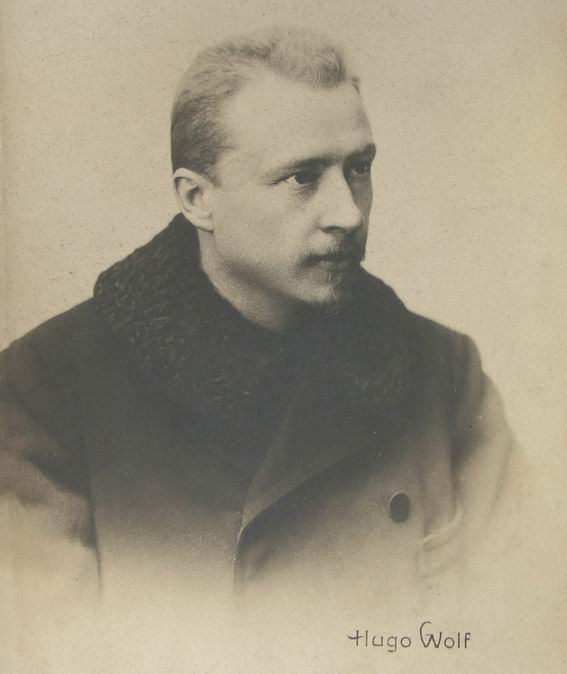
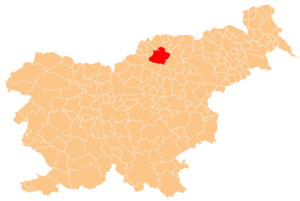
Hugo Wolf was born in Windischgraz (now Slovenj Gradec) on 13 March 1860 and died in Vienna on 22 February 1903. An Austrian composer of Slovene background, he is most widely admired for his German art songs (Lieder). Wolf transformed the Lied into a highly concentrated medium of poetic expression, marrying concise musical invention to close, often intense textual interpretation. His name is commonly pronounced "Hoo-go Volf" (rhymes with "golf").
Image gallery
5 Images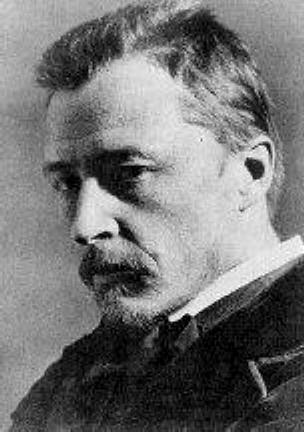


Musical style and approach
Wolf’s music is characterized by a relentless attention to the text: he shaped vocal line, accompaniment and tonal color to follow the nuances of speech and meaning. He explored rich, chromatic harmonies and shifting tonal centers to reflect mood and imagery, while compact forms kept the drama focused. He drew inspiration from poetry and often set entire cycles that grouped songs by a single poet; his sensitivity to poetry elevated word setting to the compositional priority. The influence of Richard Wagner appears in Wolf’s adventurous harmonic palette and expressive intensity, yet he remained squarely aligned with the intimate world of the song rather than large-scale opera. He is typically placed among the late Romantic composers for his harmonic language and expressive aims.
Principal works
- Mörike-Lieder — a central song collection that showcases his text-driven technique.
- Italienisches Liederbuch — a well-known sequence of songs contrasting Italian and German texts.
- Goethe-Lieder — settings of selected Goethe poems that further demonstrated his craft.
- Der Corregidor — his most notable opera, an example of his theatrical writing.
- Italian Serenade — a small orchestral piece that remains in the concert repertoire.
Life, illness and later years
Wolf’s output alternated between periods of intense creativity and episodes of exhaustion and withdrawal. He worked for stretches as a critic, teacher and accompanist while composing, but health problems interrupted his career. In his thirties and forties he suffered severe mental and physical decline linked to tertiary syphilis, which eventually led to a breakdown. Toward the end of his life he was committed to an asylum and ceased composing; he died in Vienna in 1903. The trajectory of his life—brilliant productivity curtailed by illness—has often been part of discussions about his music and legacy.
Legacy and reception
Although Wolf wrote in genres beyond song, it is his Lieder that secure his place in the repertory. Singers and pianists prize his compact intensity and exacting text setting, and his works are frequently recorded and performed. Scholars credit him with renewing the Lied after Schubert and Schumann by introducing a more concentrated, harmonically adventurous language. Contemporary audiences encounter Wolf most often through recital programs and dedicated recordings that underline his unique ability to translate poetic nuance into music.
For further reading and resources see general reference entries and recordings; many modern editions and study guides present his song cycles and orchestral works for performers and listeners alike. Pronunciation, edition choices and editorial practice remain practical topics for interpreters preparing his music.
Windischgraz | birth date | Vienna | death date | Austrian | composer | poetry | harmonies | Richard Wagner | late Romantic | asylum | syphilis
Questions and answers
Q: Who is Hugo Wolf?
A: Hugo Wolf was an Austrian composer of Slovene origin, known for his Lieder (German art songs).
Q: What is Hugo Wolf famous for?
A: Hugo Wolf is famous for his Lieder (German art songs) and for his new ways of expressing poetry in music.
Q: Which composers influenced Hugo Wolf's music?
A: Hugo Wolf was particularly fond of the music of Richard Wagner and his tonal writing is influenced by him.
Q: What is the pronunciation of Hugo Wolf's name?
A: Hugo Wolf's name is pronounced “Hoo-go Volf” (rhyming with “golf”).
Q: What is the only other piece of music besides Lieder that is regularly played from Hugo Wolf?
A: The only other piece of music besides Lieder that is regularly played from Hugo Wolf is his Italian Serenade.
Q: Why did Hugo Wolf have to go to an asylum towards the end of his life?
A: Towards the end of his life, Hugo Wolf went mad and had to go to an asylum.
Q: What did Hugo Wolf die of?
A: Hugo Wolf died of syphilis.
Related articles
Author
AlegsaOnline.com Hugo Wolf: Life and Music of a Master of the German Lied Leandro Alegsa
URL: https://en.alegsaonline.com/art/120784