
Henry Dearborn (1751–1829) — American physician, soldier, and statesman
Overview of Henry Dearborn, his roles as a physician, military officer in two wars, U.S. congressman, and Secretary of War under Thomas Jefferson, with notes on his career and legacy.
Overview
Henry Dearborn was an American physician, military officer and public official whose career spanned the Revolutionary era through the early republic. Born in 1751, he served in both the American Revolutionary War and the War of 1812, represented his state in Congress, and held national office under President Thomas Jefferson. He is remembered for his varied public service and for places named in his honor.
Image gallery
7 Images

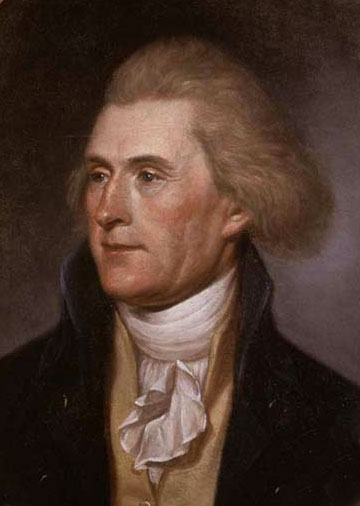


Early life and military beginnings
Trained originally in medicine, Dearborn practiced as a young medical practitioner before becoming involved in militia affairs as tensions with Britain grew. His wartime experience during the Revolution established him as a capable staff officer and administrator, building a public reputation that allowed a transition into political life. He continued to be identified as a veteran of the conflict throughout his career.
Political career
After the Revolution Dearborn entered elective politics. As a member of the Democratic-Republican fold he served in the U.S. House of Representatives in the 1790s, where he participated in debates on army organization, frontier defense, and federal expenditures. His legislative service led to a federal appointment in the Jefferson administration.
Secretary of War and administration
In 1801 Thomas Jefferson appointed Dearborn as Secretary of War, a post he held for much of Jefferson’s presidency. In that role he oversaw policies affecting the standing army, militia cooperation, and the nation’s defenses, balancing Jeffersonian preferences for economy with practical military needs. The office is often referenced simply as the Secretary of War in period sources.
War of 1812 and later life
When war with Britain resumed in 1812, Dearborn returned to military command and held senior responsibilities in the field. Contemporary and later commentators debated the effectiveness of his campaigns; critics pointed to missed opportunities while supporters noted the constraints under which commanders operated. After active service he remained engaged in public affairs until his death in 1829.
Legacy and notable facts
- Dearborn’s name survives in U.S. place names and military references, including towns and historical sites.
- He is an example of the early republic’s citizen-officer model, combining medical, military and political careers in one lifetime.
- Historians study his tenure for insight into early defense policy and civil-military relations in the Jeffersonian era.
For additional background on Dearborn’s life and service consult period biographies and curated archival collections that cover his military records, congressional years, and administration files. Scholarly treatments place him among the prominent early American figures who bridged the Revolutionary generation and the institutional development of the United States.
Related topics: statesman, medical practice, and veterans' role in early American government. Further reading and source materials are available through specialized historical repositories and public archives. See also military and administrative histories for the War of 1812 and the earlier Revolutionary War.
Questions and answers
Q: Who was Henry Dearborn?
A: Henry Dearborn was an American physician and statesman.
Q: When was he born and when did he die?
A: He was born on February 23, 1751 and died on June 6, 1829.
Q: What wars did he serve in?
A: He served in both the American Revolutionary War and the War of 1812.
Q: How long did he serve as a Democratic-Republican in Congress?
A: He served as a Democratic-Republican in Congress for four years from 1793 to 1797.
Q: Who appointed him Secretary of War?
A: President Thomas Jefferson appointed him Secretary of War.
Q: How long did he hold this post?
A: He held this post for eight years until March 7, 1809.
Related articles
Author
AlegsaOnline.com Henry Dearborn (1751–1829) — American physician, soldier, and statesman Leandro Alegsa
URL: https://en.alegsaonline.com/art/120523