
Henrietta of England (1644–1670): princess, Madame d'Orléans, and court influencer
Henrietta of England (1644–1670), youngest daughter of Charles I, married Philippe I of Orléans. She was a prominent presence at Louis XIV's court, a diplomatic intermediary and a figure whose sudden death remains debated.
Overview
Henrietta of England (16 June 1644 – 30 June 1670) was the youngest daughter of King Charles I and his wife, Henrietta Maria. Born a princess of both England and Scotland, she spent most of her life at the French court after her family fled England during the turmoil of the English Civil Wars. By marriage she became the wife of Philippe of France, the king's brother, commonly known at court as Monsieur, and she was styled at Versailles as Madame. Popular, witty and socially adept, Henrietta exercised influence through personal diplomacy and court networks.
Image gallery
6 Images
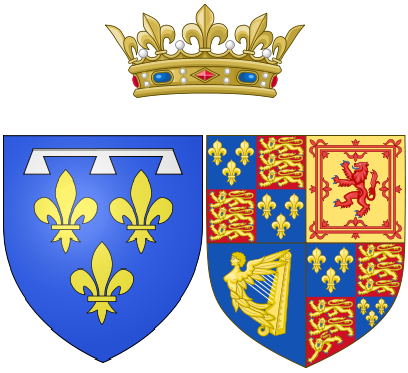


Early life and marriage
As a child Henrietta left England with her governess and was raised in exile amid the Bourbon court. Her upbringing combined English royal birth with French Catholic surroundings, which shaped her tastes, linguistic fluency and social skills. In 1661 she married Philippe, younger brother of King Louis XIV, forming a dynastic bond between the English royal house and the French monarchy. The marriage placed her in one of Europe's most visible and theatrical courts where rank, ceremony and personal alliances mattered deeply.
Role at court and diplomacy
Henrietta became a celebrated presence at Versailles. Known by the pet name Minette in certain circles, she was admired for charm and fashion as well as for her ability to serve as an intermediary. She maintained close personal and political contacts with members of both the French and English royal families. In the late 1660s she acted behind the scenes to facilitate communication between her brother Charles II of England and her cousin Louis XIV, contributing to the negotiations that culminated in the secret agreement between the two monarchs in 1670.
Household, patronage and notable associates
Henrietta's household at Versailles included attendants and companions who would later be prominent in other roles at court. Two women who served in her household before becoming royal mistresses were Madame de Montespan and Louise de La Vallière. Her salon and patronage helped shape fashions, entertainments and the personal culture of the court. Despite her public successes, her marriage was stormy at times: Philippe maintained a close relationship with the Chevalier de Lorraine, a reality that produced jealousy and recurrent quarrels between husband and wife.
Death and controversies
Henrietta died suddenly in June 1670 at the age of twenty-six. The circumstances of her death provoked scandal and lasting debate. Contemporary observers and later rumors accused court intrigues and possible poisoning, with some fingers pointing at the Chevalier de Lorraine and others at enemies among the networked nobility. Modern historians have pointed out plausible medical explanations, such as a perforated peptic ulcer or other acute abdominal catastrophe, noting that symptoms and treatments of the era could produce rapid fatal outcomes. Because her death occurred amid sensitive Anglo-French negotiations, speculation and political use of the event were widespread.
Children and legacy
Henrietta left behind descendants who played significant roles in European dynastic politics. Her children included a daughter who became queen consort in Spain and another who married into the House of Savoy. Their lines extended into several European royal houses; in particular, later Jacobite claims to the British throne trace descent through Henrietta's daughter, who later became Queen of Sardinia. Those claims are part of the long, complicated succession debates that also involved later figures such as Henry Benedict Stuart and the Jacobite cause.
- Birth: 1644, princess of England and Scotland.
- Marriage: to Philippe, Duke of Orléans (Monsieur), brother of Louis XIV.
- Court role: influential intermediary between English and French courts, participant in high diplomacy.
- Death: 1670, sudden and disputed—poisoning alleged by some, natural medical causes suggested by historians.
Although her life was brief, Henrietta's combination of diplomatic activity, social influence and tragic end made her a memorable figure of 17th‑century European court life. Her story illustrates how family ties, courtly culture and international politics were often intertwined in early modern monarchy.
Questions and answers
Q: Who was Henrietta of England?
A: Henrietta of England was a Princess of England and Scotland, and the youngest daughter of King Charles I of England and his consort Henrietta Maria of France.
Q: Where did Henrietta flee to at the age of three?
A: Henrietta fled to the court of her first cousin Louis XIV of France with her governess at the age of three.
Q: What was Henrietta's nickname at court?
A: Henrietta was known as Minette.
Q: Whom did Henrietta marry and what was her known as at court?
A: Henrietta married Philippe of France, Monsieur, brother of King Louis XIV, and became known as Madame at court.
Q: What was Henrietta's nature known for and how did it affect her marriage?
A: Henrietta was known for her flirtatious nature, which was the cause of various arguments between her and her husband.
Q: What was Henrietta instrumental to?
A: Henrietta was instrumental to the completion of the Secret Treaty of Dover prior to her unexpected death in June 1670.
Q: Who do Jacobite claims to the throne following the death of Henry Benedict Stuart descend from?
A: Jacobite claims to the throne following the death of Henry Benedict Stuart descend from Henrietta through her daughter Anne Marie, Queen of Sardinia.
Related articles
Author
AlegsaOnline.com Henrietta of England (1644–1670): princess, Madame d'Orléans, and court influencer Leandro Alegsa
URL: https://en.alegsaonline.com/art/120497