
Harvey Milk: California's first openly gay elected official and LGBT leader
Harvey Milk (1930–1978) was an American politician and gay-rights leader, the first openly gay person elected to public office in California; he helped defeat anti-LGBT measures and was assassinated in 1978.
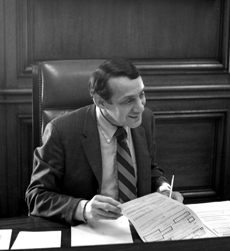
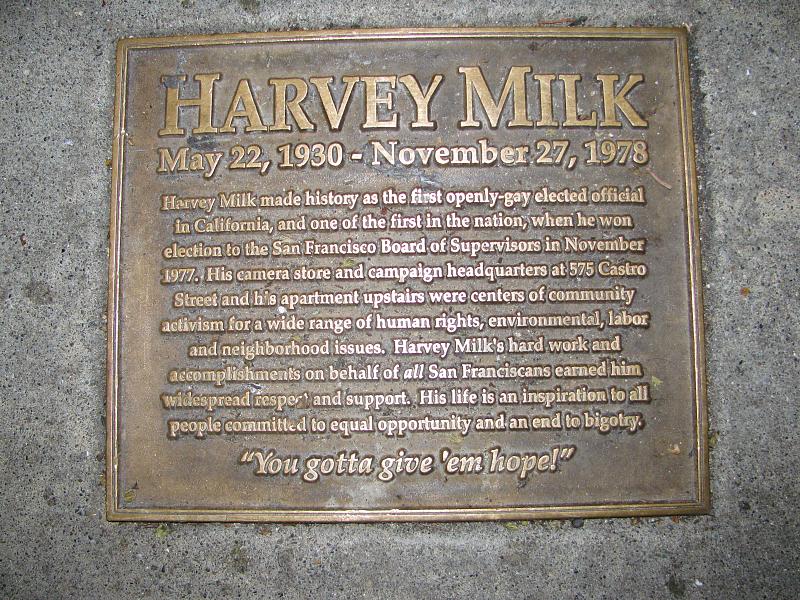
Harvey Bernard Milk (May 22, 1930 – November 27, 1978) was an American politician, small-business owner, and activist who became a prominent figure in the modern LGBT rights movement. Elected to the San Francisco Board of Supervisors in 1977, he used his office to press for anti-discrimination protections, to build cross-community coalitions, and to encourage LGBT people to participate openly in civic life.
Image gallery
10 Images




Early life and public service
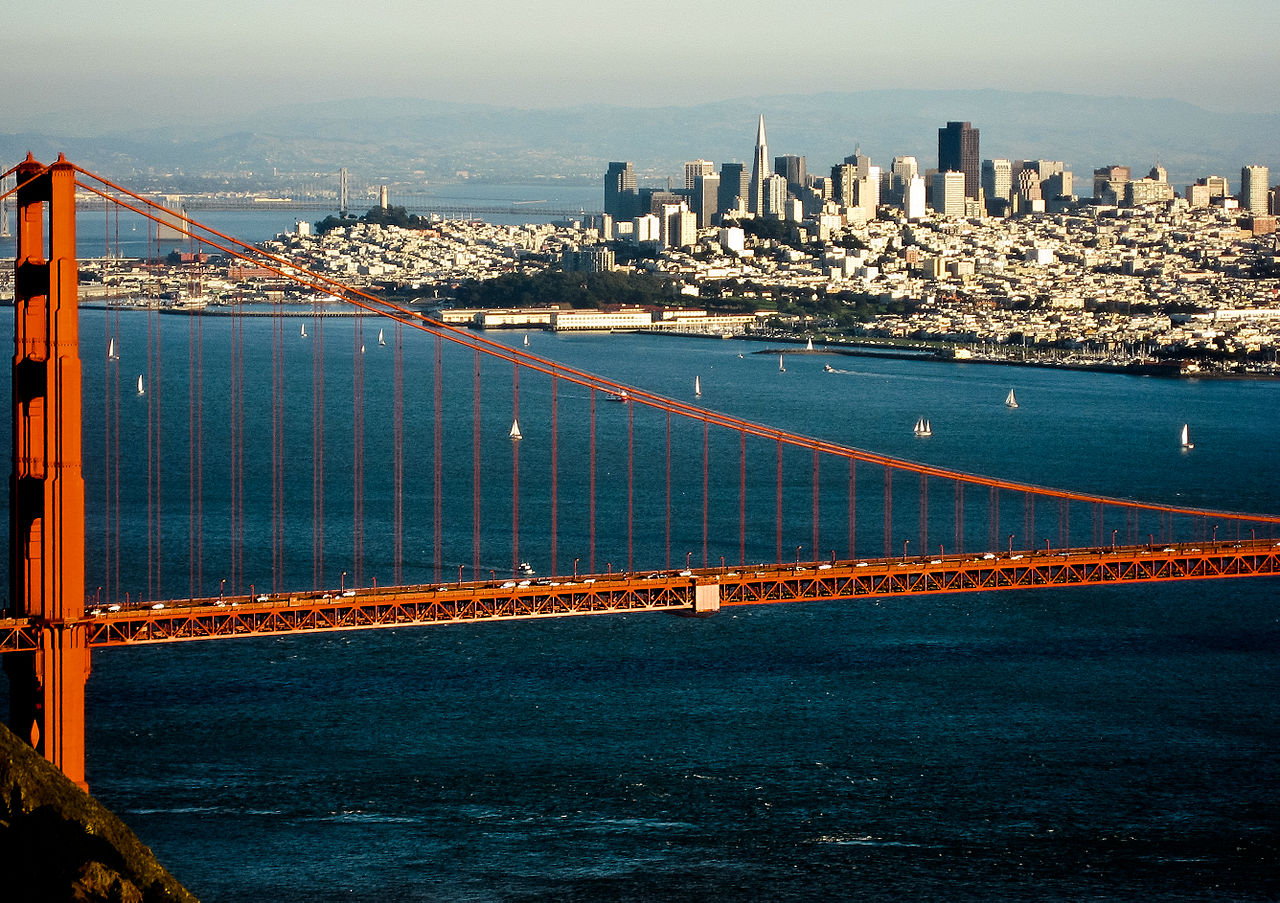
Born in the New York area, Milk served in the U.S. Navy in the 1950s and later worked in several professions, including teaching and management. After living in a number of cities, he relocated to San Francisco in 1972, where the growing gay community in the Castro District offered new political and social opportunities. His experience as a merchant and neighborhood organizer shaped his approach to politics: he emphasized door-to-door contact, voter registration, and coalition-building with other marginalized groups.
Move to San Francisco and community work
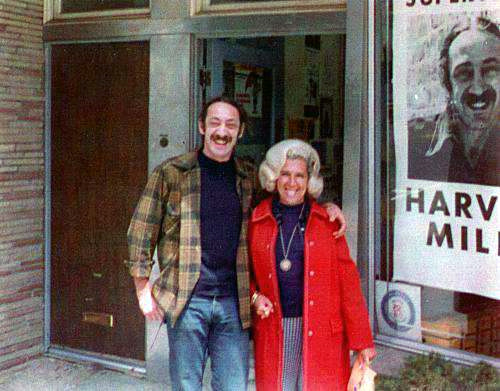
In San Francisco Milk opened a camera and photographic-supply shop that quickly became a community hub. The store served as a place for neighborhood meetings and for organizing votes and campaigns. Over several years he ran for public office multiple times before winning a supervisor seat in 1977, a victory that made him one of the first openly gay elected officials in the United States and the first in California.
Political career and assassination
On the Board of Supervisors, Milk advocated for city services, tenants' rights, and protections against discrimination on the basis of sexual orientation. He played a visible role in defeating a 1978 statewide initiative that would have removed gay and lesbian teachers from public school positions. Milk’s tenure was cut short when, on November 27, 1978, he and Mayor George Moscone were assassinated at San Francisco City Hall by a former city supervisor. The killings had a profound impact on the city and on national awareness of both LGBT political organizing and the risks faced by public reformers.
Legacy and honors
Milk’s message about political participation and visibility continued to resonate after his death. He became a symbol for the struggle for equal rights and representation, inspiring subsequent generations of activists and elected officials. Commemorations include public memorials, organizations and political clubs that bear his name, and cultural portrayals that brought wider attention to his life and work. In later years he was recognized by public honors and commemorations at local and state levels, and his life has been the subject of books, documentaries, and the feature film Milk (2008), which helped introduce his story to new audiences.
Notable themes and contributions
- Visibility as strategy: Milk urged LGBT people to "come out" publicly as a way to combat prejudice and win political power.
- Grassroots organizing: His campaigns emphasized small-donor fundraising, volunteer canvassing, and local meetings.
- Coalition politics: He worked across racial, economic, and neighborhood lines to advance municipal reforms and services.
Further information
- Biography and timeline
- San Francisco Board of Supervisors history
- Overview of LGBT rights movement
- Election and campaign materials
- California political milestones
- Records on anti-discrimination initiatives
- Contemporary accounts and interviews
- Accounts of the Castro District
- Legacy organizations and memorials
Harvey Milk’s life illustrates the role local office can play in advancing civil rights and how personal visibility can become a political strategy. His assassination and the events that followed marked a pivotal moment in late 20th-century American politics, helping to shape later debates over representation, equality, and public safety.
Questions and answers
Q: When was Harvey Bernard Milk born?
A: Harvey Bernard Milk was born on May 22, 1930.
Q: When did he move to San Francisco?
A: He moved to San Francisco in 1972.
Q: What district of San Francisco did he live in?
A: He lived in the Castro District of San Francisco.
Q: What year was he elected as a city supervisor?
A: He was elected as a city supervisor in 1977.
Q: Was Harvey Bernard Milk the first openly gay man to be elected to public office in California?
A: Yes, Harvey Bernard Milk was the first openly gay man to be elected to public office in California.
Q: Did Harvey Bernard Milk focus on homosexuality or gay activism at first?
A: No, initially he did not focus on homosexuality or gay activism but later on in his career he did.
Q: How did Harvey Bernard Milk die?
A:Harvey Bernard Milk died on November 27, 1978.
Related articles
Author
AlegsaOnline.com Harvey Milk: California's first openly gay elected official and LGBT leader Leandro Alegsa
URL: https://en.alegsaonline.com/art/120393