
Harry Belafonte
American singer, actor and activist who popularized calypso music in the 1950s; famed for "Day-O (The Banana Boat Song)" and decades of civil rights and humanitarian work.
Overview
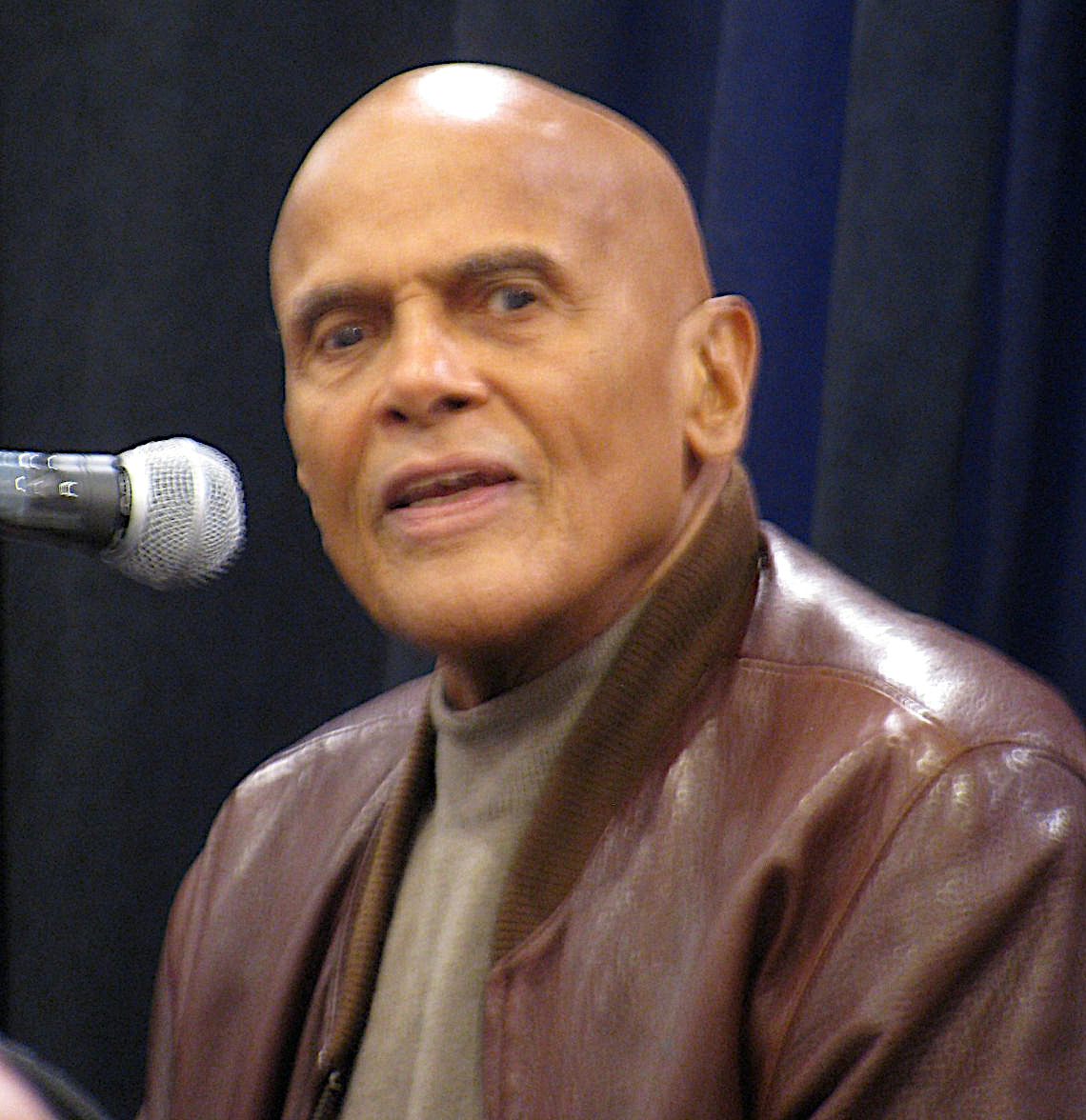
Harold George "Harry" Belafonte, Jr. (born March 1, 1927) is an American musician, widely admired singer, film and stage actor and a long‑time social activist. Across a career that began in the mid‑20th century he bridged popular entertainment and public service, bringing Caribbean musical traditions to broad audiences while using his fame to support political and humanitarian causes.
Image gallery
10 Images



Family background and early life
Belafonte was born in New York to immigrant parents: his father had roots in Martinique and his mother was of Jamaican descent. He spent part of his childhood on the island of Jamaica and later returned to the United States, where he trained in acting and singing and served briefly in the U.S. Navy before launching his professional career. These early transatlantic experiences shaped his musical sensibilities and repertoire.
Music and signature style
Belafonte is best known for popularizing calypso, a rhythmic vocal style from the Caribbean, during the 1950s. Though his work also fit into mainstream pop formats of the era, critics and fans often called him the "King of Calypso" for the way he brought island sounds into American popular culture. His recordings introduced listeners to a range of Caribbean rhythms and songs rooted in the broader Caribbean tradition.
His most enduring commercial and cultural hit is the version of the traditional work song commonly known as the "Banana Boat Song (Day-O)", which remains closely associated with his name and voice. That recording and others from his catalog helped bring calypso into the mainstream and inspired generations of artists to explore international folk and popular music.
Acting and other creative work
Alongside music, Belafonte pursued acting in film, theatre and television, taking on roles that ranged from musicals to socially conscious dramas. Notable screen appearances include leading and supporting parts that expanded his public profile beyond the recording studio and concert stage.
- Carmen Jones (stage/film productions) — musical drama roles
- Island‑set films and dramas that highlighted social themes
- Television specials and concert appearances that showcased his singing and stagecraft
Activism and public life
Belafonte made civil rights and humanitarian work a central part of his public life. He was an early and visible ally of civil rights leaders and lent financial and organizational support to the movement and to voter‑registration and education campaigns. His engagement with civil rights causes extended into fundraising, public speaking and behind‑the‑scenes advocacy.
In later decades he remained outspoken on public policy, at times criticizing figures such as George W. Bush and endorsing political candidates whose platforms aligned with his priorities — including his public support for Barack Obama during the 2008 presidential campaign and an endorsement of Bernie Sanders in 2016. He frequently framed his positions in the context of broader concerns about justice and the direction of the United States.
Legacy
Belafonte's influence spans music, film and civic life. He is remembered for bringing Caribbean rhythms to global audiences, for a distinctive singing style, and for using celebrity to spotlight social issues. Musicians, activists and historians often cite his work as an example of cultural exchange combined with committed public engagement. For more on his recordings, filmography and public statements see additional resources and archival interviews.
Further reading and related resources: musician profile, discography, filmography, activism overview.
Questions and answers
Q: Who is Harry Belafonte?
A: Harry Belafonte is an American musician, singer, actor, and social activist.
Q: What is Harry Belafonte's background?
A: Belafonte's father was from Martinique, and his mother was of Jamaican descent.
Q: What is Harry Belafonte well known for?
A: Harry Belafonte is well known for singing the "Banana Boat Song" with the words "Day-O" and popularizing the Caribbean musical style of Calypso in the 1950s.
Q: What causes has Harry Belafonte worked for?
A: Harry Belafonte has worked for civil rights and humanitarian causes.
Q: What political views has Harry Belafonte expressed?
A: Harry Belafonte criticized the policies of George W. Bush and endorsed Barack Obama for President in 2008 and Bernie Sanders for President in 2016.
Q: What is Harry Belafonte's birth name?
A: Harry Belafonte's birth name was originally Belafonete.
Q: When was Harry Belafonte born?
A: Harry Belafonte was born on March 1, 1927.
Related articles
Author
AlegsaOnline.com Harry Belafonte Leandro Alegsa
URL: https://en.alegsaonline.com/art/120357
Sources
- digital.library.unt.edu : Show 18 - Blowin' in the Wind: Pop discovers folk music. [Part 1] : UNT Digital Library