
Hank Williams — influential American country singer-songwriter
Hank Williams (1923–1953), born Hiram King Williams, was a pioneering American country singer-songwriter whose brief career produced enduring songs like “Your Cheatin’ Heart” and “Jambalaya.”
Overview
Hank Williams, born Hiram King Williams (September 17, 1923 – January 1, 1953), was an American singer, guitarist and songwriter whose work helped shape modern country music. Active in the 1940s and early 1950s, he wrote and performed songs that combined direct, emotionally charged lyrics with memorable melodies. His recordings, radio broadcasts and live appearances introduced a compact, expressive songwriting style that appealed to broad audiences and influenced later generations of country, folk and rock performers.
Image gallery
10 Images




Early life and beginnings
Williams grew up in rural Alabama and was exposed to country, gospel and blues traditions from an early age. He began performing on local radio as a teenager and developed a repertoire that mixed original compositions with regional material. These early experiences helped him refine a plainspoken lyrical voice and a tuneful, accessible musical approach that could be performed with a small backing band.
Musical style and themes
Williams's songs are notable for their clarity, economy and emotional immediacy. He drew on honky-tonk, gospel and blues sources to craft a sound that emphasized vocal delivery and storytelling. Common themes in his work include heartbreak, loneliness, faith, moral conflict and everyday rural life. Arrangements were typically spare—acoustic guitar, steel guitar, fiddle and upright bass—so that the lyrics and melody remained central and easily remembered by listeners.
Band and recordings
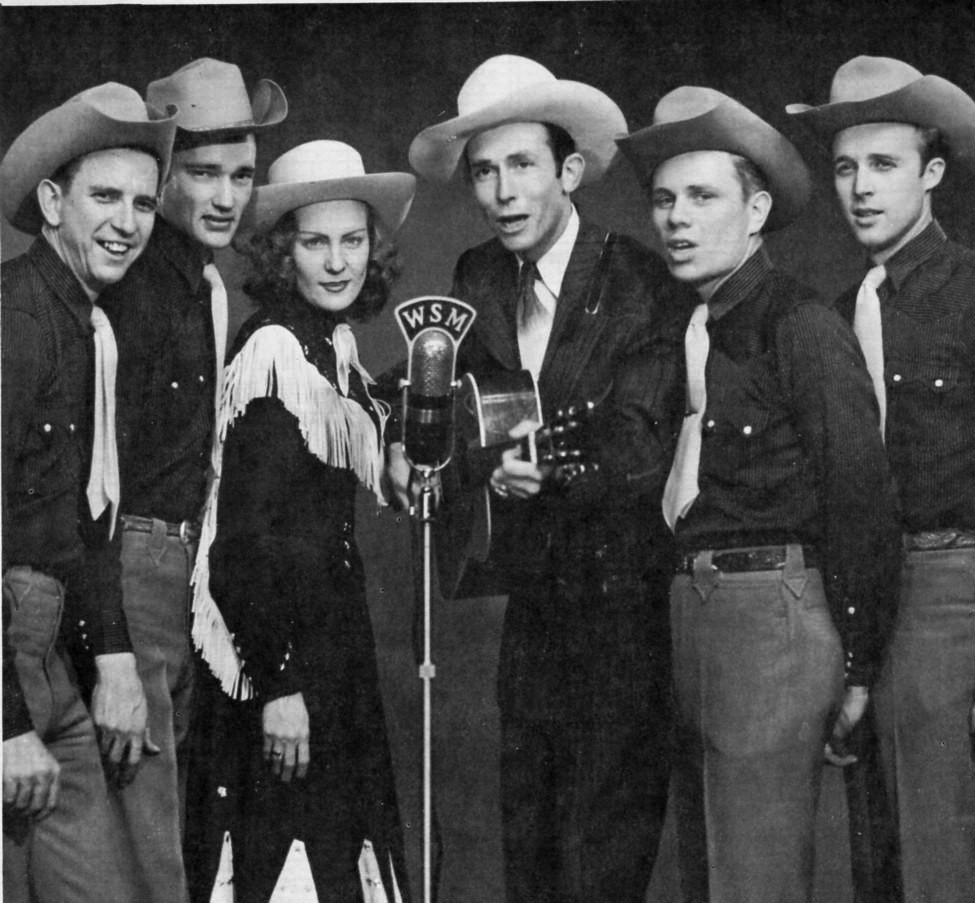
Williams often performed with a backing group known as the Drifting Cowboys. His recording career produced a string of singles that became standards. He was prolific as a songwriter, and many of his compositions were quickly taken up by other artists, extending his influence. His studio work captured both plaintive ballads and upbeat, danceable numbers, showing a range that helped his songs cross into popular radio playlists of the time.
Notable songs
- Your Cheatin' Heart — a classic country lament about betrayal.
- Hey, Good Lookin' — a breezy, catchy tune often associated with midcentury American pop culture.
- Jambalaya (On the Bayou) — a song that incorporates Cajun imagery and a lively rhythm.
- Cold, Cold Heart — a plaintive ballad that found crossover appeal with pop audiences.
Broadcasting and public exposure
Williams's reach expanded through regular radio broadcasts and touring. His performances on influential radio programs brought his songs to rural and urban listeners alike and contributed to the spread of country music across regions. He also participated in early television appearances, which further increased public awareness of his work and persona. For context on his cultural label and the genre, see context for the nickname and genre; for information about his radio work, consult radio archives; for early television references, see television records.
Personal life and struggles
Williams's personal life was marked by health problems and struggles with alcohol and prescription medications. These difficulties affected his reliability as a performer at times and contributed to the tragic arc of his short life. Despite these struggles, he maintained a strong creative output and left a substantial body of work that continued to be issued and celebrated after his death.
Death and posthumous recognition
Williams died on January 1, 1953, at age 29. His untimely death contributed to a mythic public image, but it also helped solidify his songs in the American musical repertoire. Posthumous compilations, reissues and biographical studies have kept his work in circulation. Institutions that document popular and folk music history frequently cite his influence, and his songs are regularly performed and recorded by artists across multiple genres.
Legacy
Hank Williams is widely regarded as one of the most important figures in country music history. He helped establish concise songwriting and emotionally direct storytelling as central features of the genre. His influence is visible in the work of later country singers, early rockabilly artists and folk interpreters who adopted his emphasis on personal voice and simple, memorable melody. For readers seeking further information, the links above provide entry points into archival materials and historical commentary on his recordings and broadcasts.
Questions and answers
Q: Who is Hank Williams, Sr.?
A: Hank Williams, Sr. was an American singer-songwriter and musician known as "the Father of Country and Western Music".
Q: What is Hank Williams, Sr. known for?
A: Hank Williams, Sr. is known for his contribution to country and western music as one of the first musicians in this genre.
Q: Did Hank Williams, Sr. intend to create a new type of music?
A: No, Hank Williams, Sr. did not set out to create a new kind of music. He simply made music that his listeners would enjoy.
Q: What are some of Hank Williams, Sr.'s most famous songs?
A: Some of Hank Williams, Sr.'s most famous songs include "Your Cheatin' Heart", "Hey Good Lookin'", "Jambalaya", and "Cold, Cold Heart".
Q: Did Hank Williams, Sr.'s fans sing along to his songs?
A: Yes, many of Hank Williams, Sr.'s fans sang along when they heard his songs.
Q: Did other singers begin to include Hank Williams songs in their repertoires?
A: Yes, other singers began to include Hank Williams songs in their repertoires.
Q: How did Hank Williams, Sr. share his music with his audience?
A: Hank Williams, Sr. shared his music through recordings, radio and early television performances, and live appearances.
Related articles
Author
AlegsaOnline.com Hank Williams — influential American country singer-songwriter Leandro Alegsa
URL: https://en.alegsaonline.com/art/120256
Sources
- smashwords.com : smashwords.com