
Anna Pavlovna of Russia (1795–1865), Queen Consort of the Netherlands
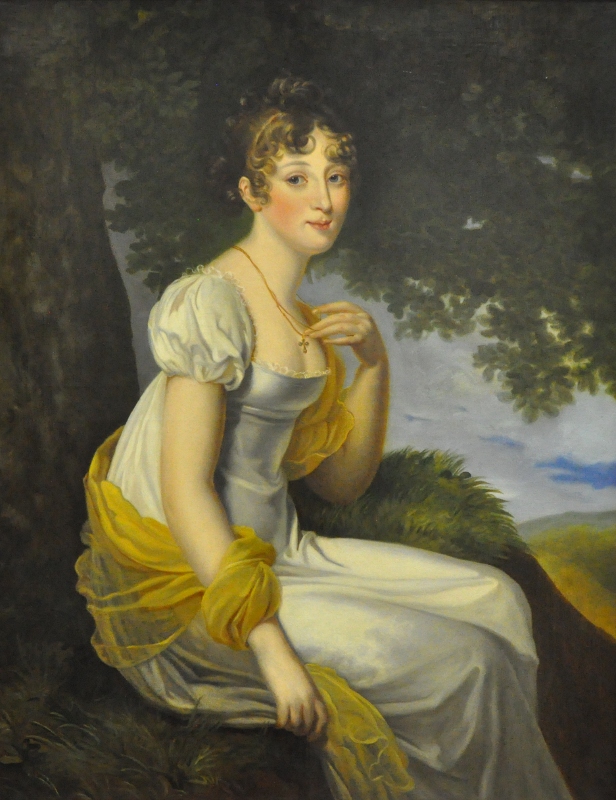
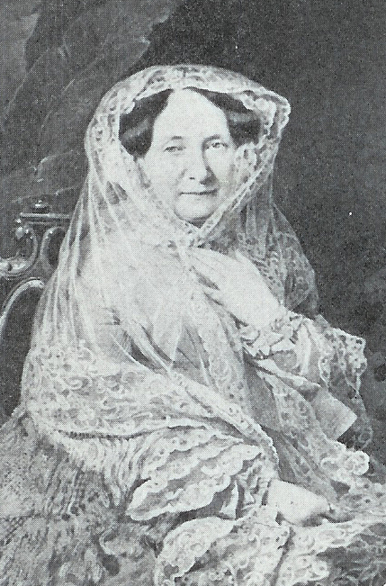
Grand Duchess Anna Pavlovna (1795–1865), daughter of Tsar Paul I, wife of King William II, mother of William III and grandmother of Queen Wilhelmina; a figure who linked the Romanov and Orange-Nassau houses.
Overview
Anna Pavlovna (Анна Павловна) was born on 18 January 1795 in St. Petersburg and died on 1 March 1865 in The Hague. A daughter of Emperor Paul I of Russia, she became the wife of the future King William II of the Netherlands and served as queen consort during his reign. Her marriage and life bridged two important European dynasties and left a lasting dynastic legacy through her children and grandchildren.
Image gallery
7 Images


Family background and early life
Anna belonged to the Romanov dynasty and was raised at the Russian imperial court during a period of significant political change. Her father, Paul I, reigned as Emperor of Russia from 1796 until his death in 1801. Her mother, born a German duchess, adopted the name Maria Feodorovna on entering the Russian Orthodox Church. Anna's upbringing combined the formal etiquette of the Russian court with the international connections common to European royal families in the late 18th and early 19th centuries. She was a sibling of other prominent Romanovs and retained lifelong ties to her native country.
Marriage and role in the Netherlands
In 1816 Anna Pavlovna married the Dutch prince who later became King William II. The union was part of wider European diplomacy after the Napoleonic wars, reinforcing bonds between Russia and the Netherlands. As princess and later as queen consort, she moved to the Netherlands and took on responsibilities typical of a royal consort: representing the crown, supporting charitable causes, and participating in court life. While her husband's reign lasted only part of her life, her status as queen consort gave her a public platform and influence within Dutch high society.
Public life, patronage and character
Anna Pavlovna was known for maintaining a visible social and cultural role in the Netherlands. She engaged in charitable work and patronized elements of the arts and education, reflecting the philanthropic expectations of nineteenth‑century royalty. Observers of the time noted her dignity, adherence to court protocol, and the contrast between her Russian upbringing and the more modest Dutch environment. She preserved connections with Russia while also adapting to Dutch political and cultural life.
Legacy and descendants
Her most notable dynastic contribution was as the mother of William III, who succeeded to the Dutch throne, and as the grandmother of Queen Wilhelmina. Through these descendants the ties between the Romanov and Orange‑Nassau houses had continuing historical significance in nineteenth‑century Europe. Anna's life illustrates the diplomatic and familial networks that shaped European monarchy in the post‑Napoleonic era.
Notable facts
- Born into the Russian imperial family during the late 18th century and daughter of Emperor Paul I.
- Her marriage in 1816 allied the Romanovs with the House of Orange‑Nassau and brought her to the Netherlands.
- Served as queen consort while her husband reigned; she remained an influential figure in court society and charitable circles.
- Remembered chiefly as a dynastic link: mother of a Dutch king and grandmother of a long‑reigning Dutch queen.
For further reading on names, places, and related biographies see linked authority pages and archival materials represented here: Anna Pavlovna, St. Petersburg, The Hague, Queen consort of the Netherlands, William III, Wilhelmina.
Questions and answers
Q: Who was Anna Pavlovna of Russia?
A: Anna Pavlovna of Russia was the Grand Duchess of Russia, Queen of the Netherlands, mother of William III of the Netherlands, and grandmother of Wilhelmina of the Netherlands.
Q: When and where was Anna Pavlovna of Russia born?
A: Anna Pavlovna of Russia was born in St. Petersburg on January 18, 1795.
Q: Who was Anna Pavlovna of Russia's father?
A: Anna Pavlovna of Russia's father was Paul I of Holstein-Gottorp-Romanov, who later became the Emperor of Russia in 1796.
Q: Who was Anna Pavlovna of Russia's grandfather and great-granduncle?
A: Anna Pavlovna of Russia's paternal grandfather was Charles Frederick, Duke of Holstein-Gottorp, and her great-granduncle was Adolf Frederick, King of Sweden.
Q: Who was William III of the Netherlands?
A: William III of the Netherlands was the son of Anna Pavlovna of Russia and the king of the Netherlands.
Q: Who was Wilhelmina of the Netherlands?
A: Wilhelmina of the Netherlands was the granddaughter of Anna Pavlovna of Russia and the queen of the Netherlands.
Q: How did Anna Pavlovna of Russia's lifespan compare to that of her father, Paul I of Holstein-Gottorp-Romanov?
A: Anna Pavlovna of Russia had a long life, as she lived until March 1, 1865. In contrast, her father Paul I only lived until the age of 46.
Related articles
Author
AlegsaOnline.com Anna Pavlovna of Russia (1795–1865), Queen Consort of the Netherlands Leandro Alegsa
URL: https://en.alegsaonline.com/art/120015