
Gerd Müller: German striker, prolific goalscorer and football icon
Overview of Gerd Müller (1945–2021), his playing style, club and international achievements, major records, and lasting legacy in world football.
Overview
Gerhard "Gerd" Müller (3 November 1945 – 15 August 2021) was a German professional footballer celebrated as one of the most efficient goalscorers in the sport's history. Playing mainly as a centre forward, he achieved fame with FC Bayern München and the West Germany national team. His instinctive finishing and uncanny positioning earned him the nickname Der Bomber, and he retained several long-standing scoring records.
Image gallery
6 Images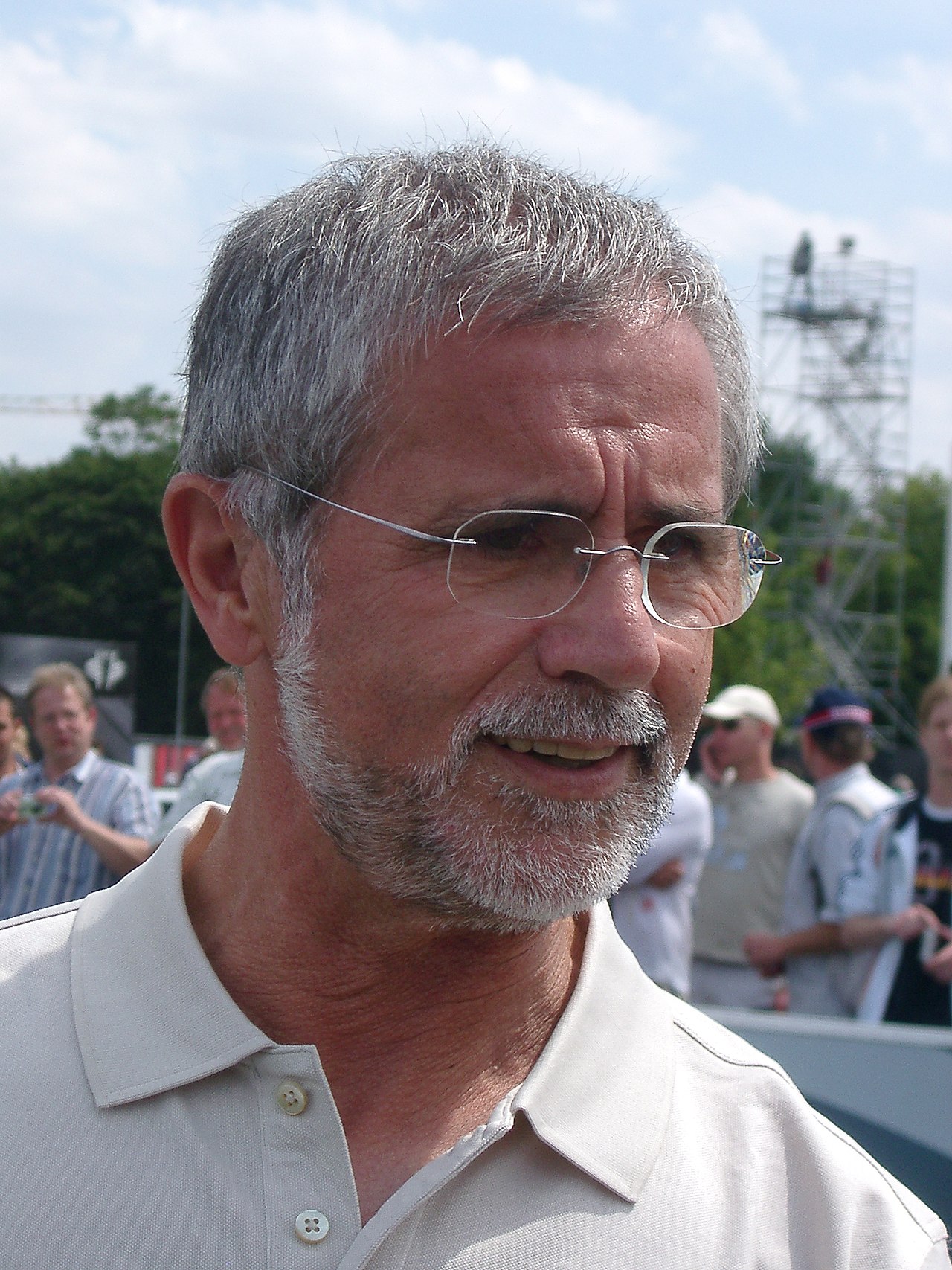


Playing style and characteristics
Müller was noted less for dribbling or long runs and more for his ability to find small spaces in the penalty area, react first to rebounds and convert from close range. He combined explosive acceleration over a few metres with precise timing, strong balance under pressure and a powerful shot. These traits made him particularly dangerous on crosses, set pieces and in crowded box situations.
Club and international career
At club level Müller was the spearhead of Bayern Munich during the club's rise to domestic and European prominence in the late 1960s and 1970s. He helped Bayern win multiple national titles and European Cups, forming a prolific attacking partnership with teammates. Internationally he was a decisive figure for West Germany, contributing to the nation's victory at the 1972 European Championship and the 1974 FIFA World Cup, where he scored the winning goal in the final. He finished his international career with a remarkable goals-to-games ratio.
Records and honours
- Recipient of the Ballon d'Or in 1970.
- Holder of major scoring records in both club and international football for many years, including a very high total of Bundesliga goals and an exceptional strike rate for his country.
- Multiple domestic league titles and European Cups with Bayern Munich.
Legacy and notable facts
Gerd Müller is widely cited in discussions of all-time great strikers because of the simplicity and effectiveness of his game. Players, coaches and historians praise his natural scoring instincts and clinical temperament. After retiring he remained a symbol of a particular striker archetype that emphasizes positioning and finishing. Later in life he suffered from health problems and passed away in 2021. For further reading see his career profile here and his international record here.
His influence continues in coaching manuals and analyses of forward play: many instructors point to his movement and timing as essential study material for aspiring centre forwards.
Questions and answers
Q: Who is Gerd Müller?
A: Gerd Müller was a German footballer who played for FC Bayern München and the Germany national team.
Q: When was Gerd Müller born and when did he pass away?
A: Gerd Müller was born on November 3, 1945 and he passed away on August 15, 2021.
Q: What was Gerd Müller known for?
A: Gerd Müller was known for being the best striker at his times and still owns many scoring records.
Q: Where did Gerd Müller play during his career?
A: Gerd Müller played for FC Bayern München and the Germany national team during his career.
Q: Was Gerd Müller a successful football player?
A: Yes, Gerd Müller was a highly successful football player, known for his incredible goal-scoring abilities and impressive career achievements.
Q: What made Gerd Müller standout as a football player?
A: Gerd Müller's incredible goal-scoring abilities and impressive career achievements made him standout as a world-class football player.
Q: What did Gerd Müller accomplish during his career as a football player?
A: During his career as a football player, Gerd Müller accomplished many great things, including leading FC Bayern München to numerous championships and setting multiple scoring records that still stand today.
Related articles
Author
AlegsaOnline.com Gerd Müller: German striker, prolific goalscorer and football icon Leandro Alegsa
URL: https://en.alegsaonline.com/art/119721
Sources
- de.fifa.com : "FIFA - FIFA.com"
- national-football-teams.com : "Gerd Müller"
- rsssf.com : "Gerhard "Gerd" Müller - Goals in International Matches"