
George Grove (1820–1900) — British engineer and music scholar
English civil engineer turned music writer and organizer, best known for compiling Grove's Dictionary of Music and Musicians and for his influence on Victorian concert life and music education.
Overview
Sir George Grove (born Clapham, London, 13 August 1820; died Sydenham, 28 May 1900) combined a technical training in engineering with a lifelong passion for music. He is remembered primarily as the founder and first editor of the reference work that became Grove's Dictionary of Music and Musicians, a standard music reference that expanded through later editions and survives today in digital form.
Image gallery
4 Images
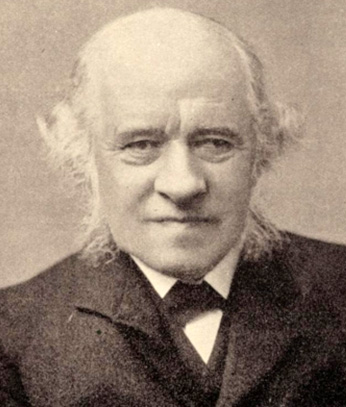


Career and activities
Grove's early career was in engineering and administration, but he became better known for his work organizing concerts and writing about music. He served in leadership and secretarial roles for public institutions that presented musical programmes to broad audiences, producing detailed programme notes and lectures that emphasized musical structure and biography. These practical efforts to explain music helped shape public musical taste in Victorian Britain.
Major works and contributions
Grove authored biographies, programme essays and reference articles on composers and musical forms. His most enduring achievement was editing a comprehensive musical dictionary that gathered biographies, technical definitions and repertory information into one multi-volume work. That dictionary was continuously expanded by later editors and eventually became available in online formats used by scholars, performers and students.
Legacy and importance
Grove bridged practical organisation and scholarship: his clear explanatory style made musical knowledge accessible beyond specialists, and his editorial care created a lasting research tool. He also played a formative role in institutional music education, helping to establish structures for training professional musicians in Britain. Today his name is commonly associated with authoritative musical reference and with Victorian efforts to widen public access to concert life.
Selected roles and further reading
- Biography and dates
- Works and writings
- Grove's Dictionary history
- Music organisation and concerts
- Contributions to music education
- Selected essays and programme notes
- Later editions and online successor
- Context in Victorian musical life
Notable facts: Grove was knighted for his public services and is often credited with professionalizing the presentation of music to large urban audiences; the reference work that bears his name became a cornerstone resource for musicology and remains influential through contemporary digital editions.
Questions and answers
Q: Who was George Grove?
A: George Grove was an English engineer and musician.
Q: What is George Grove known for?
A: George Grove is particularly famous for his big musical dictionary Grove's Dictionary of Music and Musicians.
Q: When was George Grove born and when did he die?
A: George Grove was born on August 13, 1820, in Clapham in South London, and he died on May 28, 1900, in Sydenham.
Q: What kind of books did George Grove write?
A: George Grove wrote books about classical composers.
Q: How many editions of Grove's Dictionary of Music and Musicians have been published?
A: Grove's Dictionary of Music and Musicians has gone through seven editions.
Q: Is Grove's Dictionary of Music and Musicians still being updated and published?
A: Yes, even after his death, Grove's Dictionary of Music and Musicians continued to be updated and published.
Q: Is the latest edition of Grove's Dictionary of Music and Musicians available online?
A: Yes, the latest edition of Grove's Dictionary of Music and Musicians is available online.
Related articles
Author
AlegsaOnline.com George Grove (1820–1900) — British engineer and music scholar Leandro Alegsa
URL: https://en.alegsaonline.com/art/119595