
Georges Clemenceau: French Statesman, Physician, and Press Leader
Overview of Georges Clemenceau (1841–1929), his careers as a physician and journalist, leadership during World War I, role in the Dreyfus Affair, and his political legacy in France and at Versailles.
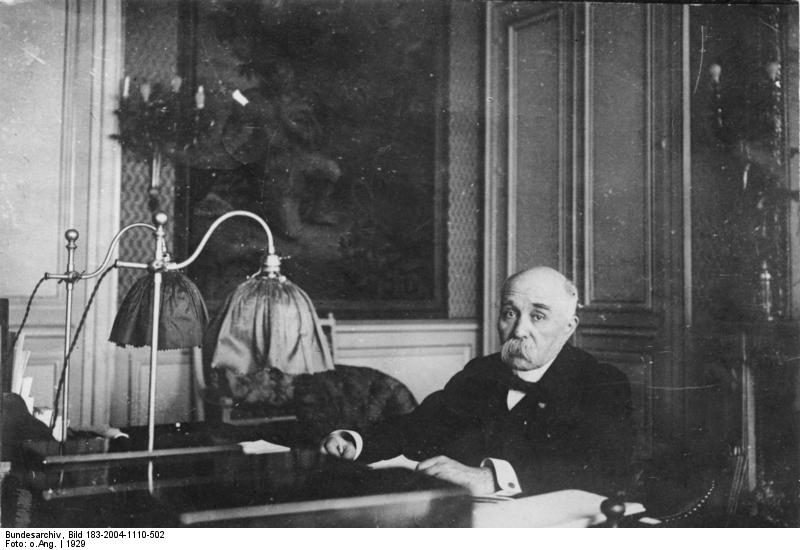
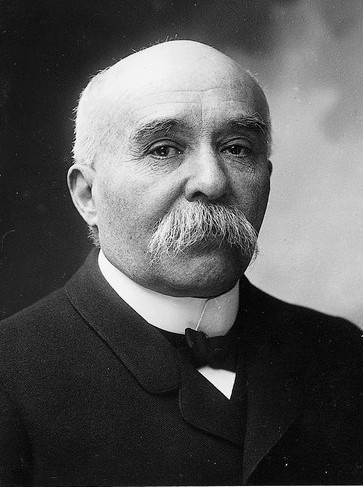
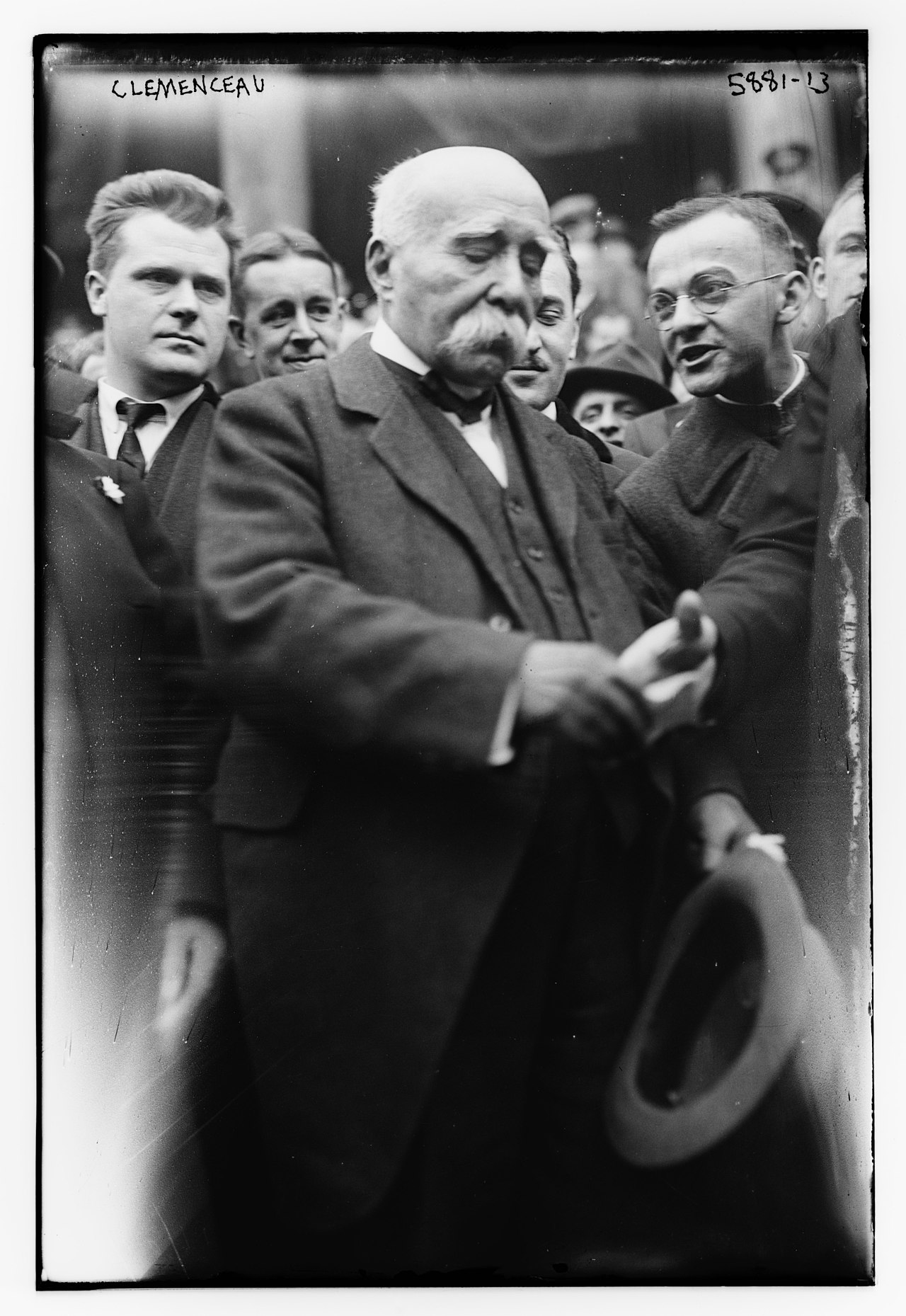
Georges Benjamin Clemenceau (1841–1929) was a dominant figure of the French Third Republic: a politician often described as a resolute statesman, a trained physician, and a prolific journalist. His vigorous style, political radicalism, and wartime leadership made him one of the best known French public personalities of the early twentieth century.
Image gallery
10 Images




Early life and careers
Clemenceau trained in medicine and practiced briefly before turning to public life. He soon became active in republican politics and the press, using newspapers and editorials to campaign on anticlerical, social and democratic causes. His background in medicine and time as a writer shaped a direct, combative rhetorical style that he carried into politics.
Political rise and leadership
He served in a variety of roles across decades, including two terms as head of government (Prime Minister) and influential cabinet posts. Clemenceau is best known for leading France during the final years of World War I (1917–1920), when he concentrated on national unity, military coordination and a determined pursuit of victory. Colleagues and opponents gave him nicknames reflecting his intensity and determination.
Involvement in the Dreyfus Affair and the press
Clemenceau used his newspapers and political influence to defend civil liberties and the rule of law during the polarizing Dreyfus Affair. He allied with public figures such as Émile Zola and supported the cause of Alfred Dreyfus, arguing against miscarriage of justice and official secrecy. His role in that crisis underlined the importance of an independent press in French public life.
Role at Versailles and later years
At the 1919 Paris Peace Conference Clemenceau pressed for security measures and reparations to prevent future German aggression. He negotiated with other Allied leaders, balancing French demands for safety with broader international pressures. After leaving office he remained an influential voice in public debate and continued writing until his death in 1929.
Legacy and notable facts
- Reputation: Remembered as a wartime leader who prioritized victory and national security.
- Personality: Often portrayed as combative, pragmatic, and uncompromising.
- Impact: Helped define France's postwar position and exemplified the political role of the press.
Today Clemenceau is studied for his complex blend of journalism, medicine, and politics: a figure who influenced French republicanism, wartime strategy, and twentieth‑century diplomacy.
statesman | physician | journalist | Émile Zola | Alfred Dreyfus | Dreyfus Affair
Questions and answers
Q: Who was Georges Clemenceau?
A: Georges Clemenceau was a French statesman, physician, and journalist.
Q: When was Georges Clemenceau born and when did he die?
A: Georges Clemenceau was born on September 28, 1841, and died on November 24, 1929.
Q: What role did Clemenceau play in the Dreyfus Affair?
A: Clemenceau helped Émile Zola defending Alfred Dreyfus against Dreyfus Affair.
Q: Was Clemenceau only involved in politics or did he have other professions as well?
A: Clemenceau was also a physician and journalist.
Q: Why is Clemenceau an important figure in French history?
A: Clemenceau was an important figure in French history due to his significant contributions as a statesman and his involvement in the Dreyfus Affair.
Q: What were some of Clemenceau's political beliefs?
A: Clemenceau was a radical and a strong advocate for democracy, anti-clericalism, and secularism.
Q: What was Clemenceau's impact on the world stage?
A: Clemenceau played a key role in World War I as the premier of France, and was heavily involved in the negotiations for the Treaty of Versailles.
Related articles
Author
AlegsaOnline.com Georges Clemenceau: French Statesman, Physician, and Press Leader Leandro Alegsa
URL: https://en.alegsaonline.com/art/119525