
Gaston, Duke of Orléans (1608–1660)
French prince, younger brother of Louis XIII and Duke of Orléans; known for repeated intrigues, opposition to powerful ministers, shifting allegiances and a lasting dynastic presence in 17th-century France.
Gaston Jean Baptiste (25 April 1608 – 2 February 1660) was a son of King Henry IV of France and Marie de' Medici. Born a Fils de France, he received the ducal dignity of Anjou in childhood and later became widely known as the Duke of Orléans. As the eldest surviving brother of King Louis XIII he was habitually addressed at court by the traditional honorific "Monsieur," and he was among the early princes to adopt the style of Royal Highness, reflecting changes in court protocol and rank during the period.
Image gallery
3 Images

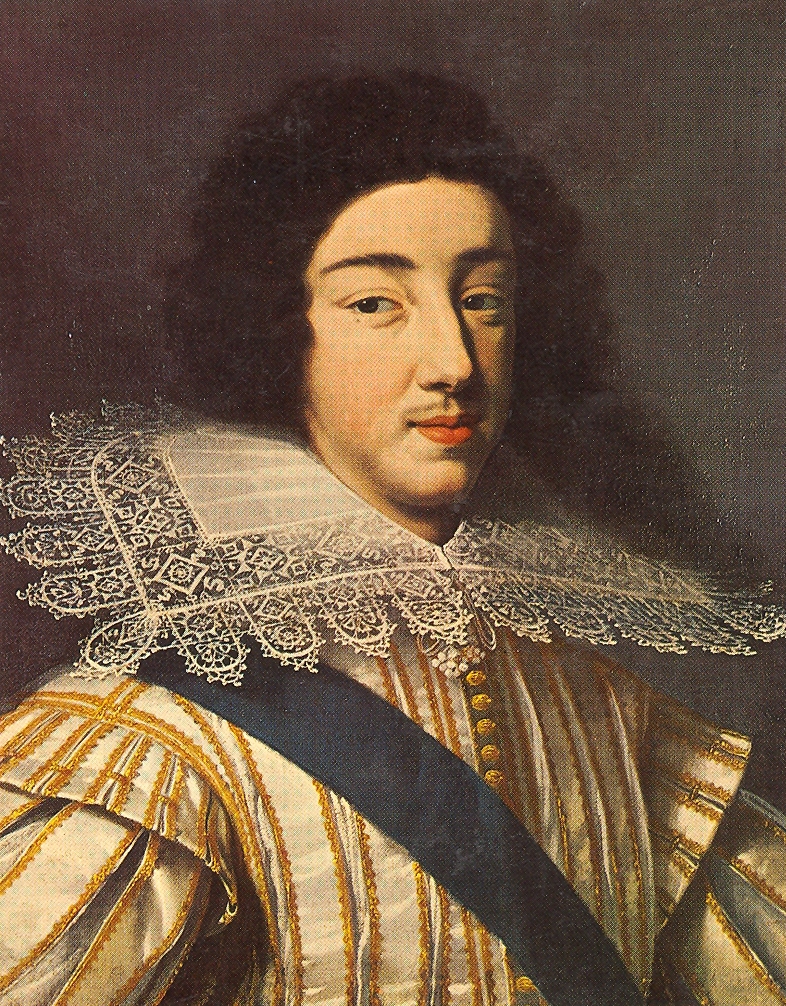
Family background and position at court
Gaston belonged to the Bourbon dynasty and occupied a high dynastic place without inheriting the crown. That position made him both a valuable ally and a potential rival: noble factions and foreign interests could use him as an alternative focus of authority when dissatisfied with the king or his ministers. His upbringing combined military training, court education and ceremonial instruction typical for princes of his station.
Political role and recurring conspiracies
Rather than establishing a sustained governmental record, Gaston is best remembered for repeated involvement in intrigues and short-lived rebellions. Across decades he shifted between opposition and reconciliation, often motivated by disputes over influence at court, marriage arrangements, and resentment of dominant ministers. His oscillating behaviour made him a persistent factor in political crises of the 1620s–1640s and a figure courtiers and foreign courts could court when seeking leverage against the king.
Relations with ministers and the crown
Gaston’s career cannot be separated from the rise of powerful royal ministers who sought to centralize authority. His personal conflicts of interest and occasional alliances with discontented nobles placed him at odds with these ministers, and he was frequently the subject of negotiated reconciliations that restored him to favour without resolving deeper tensions. Contemporary observers described him as energetic but often indecisive, capable of both bold action and rapid capitulation when political realities demanded it.
Marriages and dynastic ties
As a prince of the blood, Gaston’s marriages and family alliances attracted attention because they affected succession prospects and property settlements. His descendants and relatives intermarried with several European houses, and his name persisted in dynastic memory: a later Medici ruler of Tuscany was named in his honour, linking him indirectly to the succession of the Grand Dukes of Tuscany.
Later life and historical assessment
In later years Gaston continued to play a visible, if inconsistent, role in the political life of France. He spent periods at court and in partial exile, accepted occasional administrative tasks, and remained a symbol of aristocratic resistance to untrammelled centralization. Historians typically regard him neither as a great statesman nor as a mere hanger‑on of factions, but rather as a representative example of the uncertain power enjoyed by younger princes in early modern monarchies.
Legacy
- Representative dynast: his status as the king’s brother made him a recurring alternative for opposition groups and a factor in high politics.
- Court etiquette: his adoption of the style Royal Highness reflects evolving forms of princely address.
- Titles: styled a Fils de France and later the Duke of Orléans, he exemplified princely rank without kingship.
- Dynastic memory: his name and connections lived on in later European princely houses, including the Medici line of Tuscany (Grand Duke of Tuscany).
For readers seeking more detailed narrative and documentary evidence, specialised biographies and studies of 17th‑century French court politics explore Gaston’s conspiracies, marriages and political manoeuvres in context. Scholarly accounts situate his life within the broader processes of state centralization, ministerial power and aristocratic resistance that shaped early modern France.
Further institutional and genealogical information can be found in reference works that treat Bourbon dynastic practice, the rank of Fils de France, and the various ducal titles such as the Duke of Orléans. Contemporary diplomatic correspondence and memoirs of the age also record the repeated cycles of intrigue and reconciliation that marked Gaston’s public career.
Readers may consult introductory surveys of the period for background on the political context in which Gaston acted, and specialised monographs for detailed accounts of particular conspiracies and court episodes. For a concise genealogical and titular summary, see standard reference material on the Bourbon family and princely styles (Henry IV, his immediate family and successors).
Questions and answers
Q: Who was Gaston of France?
A: Gaston of France was the third son of King Henry IV of France and his wife Marie de Medici.
Q: What titles did Gaston of France hold during his lifetime?
A: As a young boy, Gaston of France was given the title of Duke of Anjou. Later, he had the title Duke of Orléans.
Q: What was Gaston of France's position at court?
A: As the eldest surviving brother of King Louis XIII, Gaston of France was known at court as Monsieur.
Q: Why was Gaston of France significant?
A: Gaston of France was one of the first princes to use the style of Royal Highness.
Q: What is Gaston of France also sometimes called?
A: Gaston of France is often also referred to as Gaston d'Orléans.
Q: Who was named in Gaston of France's honour?
A: Gaston of France's grandson, the last Medici Grand Duke of Tuscany, was named in his honour.
Q: When did Gaston of France die?
A: Gaston of France died on 2 February 1660.
Related articles
Author
AlegsaOnline.com Gaston, Duke of Orléans (1608–1660) Leandro Alegsa
URL: https://en.alegsaonline.com/art/119451