
Gao Xingjian: novelist, dramatist and painter
Overview of Gao Xingjian, Chinese-born writer and artist, Nobel laureate in literature (2000), known for experimental novels, avant-garde drama and painting; life, work, style and reception.
Gao Xingjian (born January 4, 1940) is a Chinese-born writer, playwright, translator and painter who later took French citizenship. He was awarded the Nobel Prize in Literature in 2000. Gao's work spans novels, theater, essays and visual art and is widely regarded for its experimental approach, blending personal memory, myth and philosophical reflection.
Image gallery
4 Images


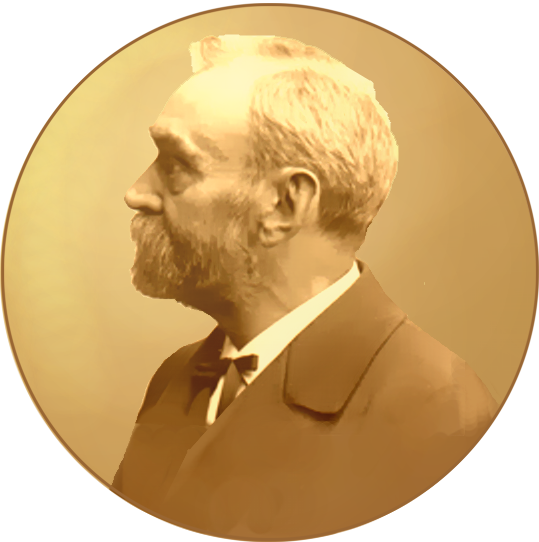
Literary style and major works
Gao is best known for fiction that blurs autobiography and fiction, often using a first-person, fragmented narrative voice and long, associative passages. His most influential prose work is the novel often cited as Soul Mountain, which mixes travelogue, folklore and introspection. Other notable prose works explore themes of exile, identity and the individual’s confrontation with history. His writing resists conventional plot structures and favors episodic, image-driven composition.
Theatre, painting and cross-disciplinary practice
In theater, Gao developed non-realistic, minimalist plays intended as exercises in memory and presence rather than straightforward drama. His plays have been performed outside China and influenced experimental theatre circles. As a visual artist he produces paintings and ink works that share the spare, meditative quality of his prose. Gao has described his creative practice as an ongoing search for a private language that can express inner experience beyond ideological constraints.
Life, language and nationality
Born in 1940, Gao lived and worked in China before leaving for Europe in the late 20th century and settling in France; he later acquired French citizenship. Writing in Chinese and engaging with both Chinese and Western intellectual traditions, he deliberately positioned himself between cultures. This cross-cultural stance informed his themes of exile, translation and the fragile relationship between individual memory and collective history.
Reception and controversies
Gao's Nobel recognition brought international attention but also controversy. His experimental methods and outspoken attitudes toward political authority strained his relationship with cultural institutions in China; some of his works have been restricted there. At the same time, critics and readers outside China have praised his linguistic inventiveness and the moral seriousness of his investigations into freedom and solitude.
Selected aspects and further reading
- Major genres: novel, drama, essays, painting.
- Themes: exile, memory, identity, artistic freedom.
- Style: fragmented narrative, mythic imagery, minimalist theatre.
For more on Gao Xingjian’s life and bibliography see further resources and critical studies that examine his hybrid literary techniques and his impact on contemporary Chinese-language literature.
Related articles
Author
AlegsaOnline.com Gao Xingjian: novelist, dramatist and painter Leandro Alegsa
URL: https://en.alegsaonline.com/art/119382
Sources
- nobelprize.org : "Gao Xingjian"