
Frances Folsom Cleveland Preston — First Lady and White House hostess
Frances Folsom Cleveland Preston (1864–1947) was the youngest First Lady of the United States, a popular social figure during Grover Cleveland’s presidencies, and later a prominent member of Princeton society.
Frances Clara Folsom Cleveland Preston (July 21, 1864 – October 29, 1947) served as First Lady of the United States during the administrations of her husband, President Grover Cleveland. She became First Lady first in 1886 and again from 1893 to 1897, accompanying the only U.S. president elected to two nonconsecutive terms. At age 21 when she married, she was the youngest woman to assume the role, and her youth and style made her a frequent subject of national interest.
Image gallery
10 Images


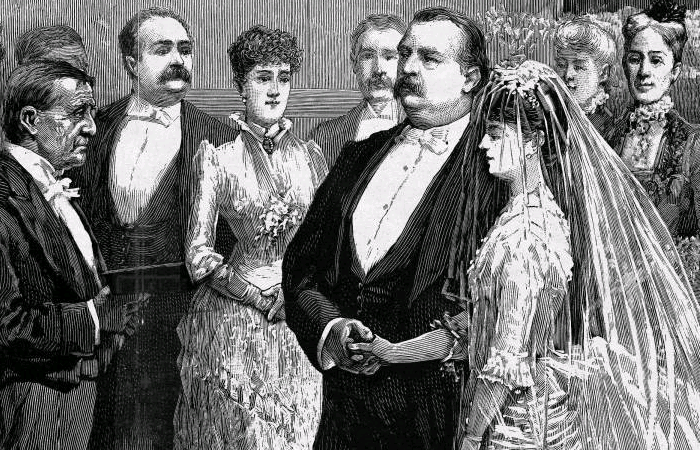
Early life and marriage
Born in Buffalo, New York, Frances Folsom was raised in a well-educated family and came to know the Clevelands through social and professional connections. Her marriage to the sitting President of the United States drew intense press attention: the wedding in the White House was widely covered and helped shape the modern public image of the presidential family. The marriage bridged a notable age gap and placed Frances at the center of national social life.
Role and public image
As First Lady she combined traditional responsibilities—hosting receptions, overseeing White House social functions and ceremonial events—with a modern, visible public persona. She was celebrated for her fashion sense and charm, and reporters often contrasted her youthful presence with the presidential office’s gravitas. While she did not act as a political adviser in public, her position influenced social and cultural expectations for later First Ladies.
Activities and influence
During her years in the White House, Frances organized and modernized social calendars, supported charitable initiatives, and served as an arbiter of etiquette and taste. Her prominence in newspapers and magazines helped establish the First Lady as a figure of popular interest. She maintained relationships with literary, academic and political circles throughout her life, and continued public service in quieter forms after leaving the White House.
Later life and legacy
After President Cleveland left office and later died, Frances remarried and settled into academic and community life near Princeton, New Jersey, where she lived for many years. Her long life—she died in 1947—spanned major changes in American society and the presidency. Historians note her role in shaping the evolving expectations of the First Lady and in making the president’s family a subject of public fascination.
- Notable facts:
- Youngest woman to serve as First Lady.
- Hosted a high-profile White House wedding.
- Remained a public figure after her husband’s presidency and death.
For further reading on the Cleveland administration and the office she occupied, see discussions of the presidency and the evolving role of the First Lady at First Lady resources and biographical materials on Grover Cleveland.
Questions and answers
Q: Who is Frances Folsom Cleveland?
A: Frances Folsom Cleveland was the wife of the President of the United States Grover Cleveland and the 27th First Lady of the United States from 1886 to 1889 and again from 1893 to 1897.
Q: When was Frances Folsom Cleveland born?
A: Frances Folsom Cleveland was born on July 21, 1864.
Q: Who was the President of the United States during Frances Folsom Cleveland's tenure as the First Lady?
A: Grover Cleveland was the President of the United States during Frances Folsom Cleveland's tenure as the First Lady.
Q: How long did Frances Folsom Cleveland serve as the First Lady?
A: Frances Folsom Cleveland served as the First Lady for two non-consecutive terms, from 1886 to 1889 and again from 1893 to 1897.
Q: When did Frances Folsom Cleveland pass away?
A: Frances Folsom Cleveland passed away on October 29, 1947.
Q: Was Frances Folsom Cleveland the only First Lady to serve for two non-consecutive terms?
A: No, Frances Folsom Cleveland was not the only First Lady to serve for two non-consecutive terms. Caroline Harrison, the wife of Benjamin Harrison, also served two non-consecutive terms.
Q: What was Frances Folsom Cleveland's maiden name before she married Grover Cleveland?
A: Frances Folsom Cleveland's maiden name was Frances Clara Folsom.
Related articles
Author
AlegsaOnline.com Frances Folsom Cleveland Preston — First Lady and White House hostess Leandro Alegsa
URL: https://en.alegsaonline.com/art/119047