
Football at the 2016 Summer Olympics
Overview of the men's and women's football tournaments held in Brazil during the 2016 Summer Olympics, including format, eligibility, venues, schedule and final medalists.
The association football tournaments at the 2016 Summer Olympics were contested in Brazil from 3 to 20 August 2016. Both a men's and a women's competition were played, featuring national teams from around the world. The Olympic football events combined a group stage with a knockout phase and attracted global attention as part of the wider Games program.
Image gallery
10 Images




Format and eligibility
The men's tournament was organised as an under‑23 competition: players had to be born on or after 1 January 1993 to be eligible, with each squad permitted up to three over‑age players. The women's tournament had no age restriction and featured senior national teams. Both tournaments used relatively small squads (typical Olympic squad sizes are limited compared to other international competitions), group stages followed by quarterfinals, semifinals and medal matches.
Venues and schedule
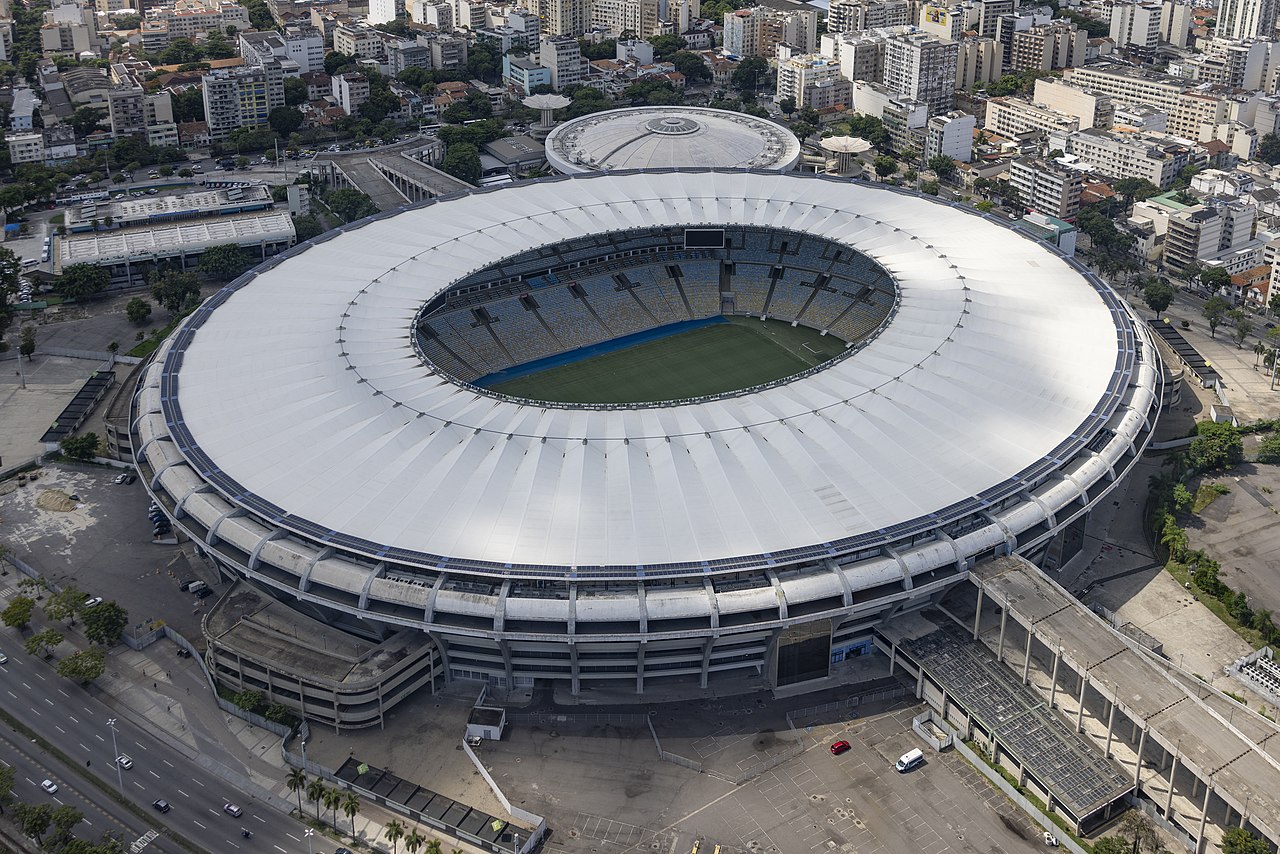
Matches were played across six Brazilian cities to spread the tournament geographically and to make use of existing and renovated stadiums. Host cities included Rio de Janeiro, Belo Horizonte, Brasília, Salvador, São Paulo, and Manaus. The schedule ran from early August through the closing days of the Olympics, with group matches in the first two weeks and knockout rounds concluding the competition.
Results and significance
The tournaments produced memorable outcomes for several nations. In the men's event the host nation secured the gold medal, marking a historic achievement for the country in Olympic football; other medallists completed the podium with silver and bronze. In the women's event established footballing nations contested the medals, with European and North American teams among the top finishers. Beyond medals, the Olympic tournaments offered younger male players international exposure and provided the women's game with a high‑profile global stage.
Background and legacy
Football has been part of the modern Olympics since the early 20th century but, for men, the competition adopted the under‑23 rule from the 1990s to differentiate it from the FIFA World Cup and to focus on youth development. The 2016 edition continued this approach and reinforced the Olympics as an important but distinct tournament in the international football calendar. Matches in multiple cities also contributed to local use of stadium infrastructure and helped promote football participation across the host country.
Further reading
Questions and answers
Q: When did the 2016 Summer Olympics association football tournament take place?
A: The tournament took place from 3 to 20 August in 2016.
Q: What teams were featured in the tournament?
A: Both men's and women's teams were featured in the tournament.
Q: Are there any age restrictions for players on the men's team?
A: Yes, all players on the men's team must have been born on or after 1 January 1993.
Q: Are there any age restrictions for players on the women's team?
A: No, there are no age restrictions for players on the women's team.
Q: How many cities hosted matches during this tournament?
A: Six cities hosted matches during this tournament; Rio de Janeiro, Belo Horizonte, Brasília, Salvador, São Paulo, and Manaus.
Q: What was the duration of this tournament?
A: This tournament lasted 17 days - from 3 to 20 August in 2016.
Related articles
Author
AlegsaOnline.com Football at the 2016 Summer Olympics Leandro Alegsa
URL: https://en.alegsaonline.com/art/118987