
Ferdinando de' Medici, Grand Prince of Tuscany (1663–1713)
Heir to the Tuscan grand duchy, Grand Prince Ferdinando was a member of the Medici dynasty, noted for his dynastic role, cultural patronage, childless marriage, and impact on the succession of Tuscany.
Overview
Ferdinando de' Medici (9 August 1663 – 31 October 1713) was the eldest surviving son of Cosimo III de' Medici and Marguerite Louise d'Orléans. From his father's accession in 1670 until his own death he bore the title Grand Prince of Tuscany, the customary style for the heir apparent to the Grand Duchy of Tuscany. As heir, he occupied a central dynastic role but never acceded to the grand ducal throne because he predeceased his father.
Image gallery
6 Images
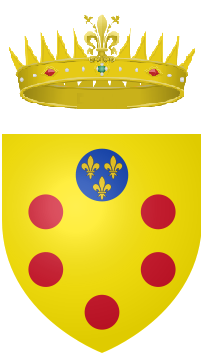


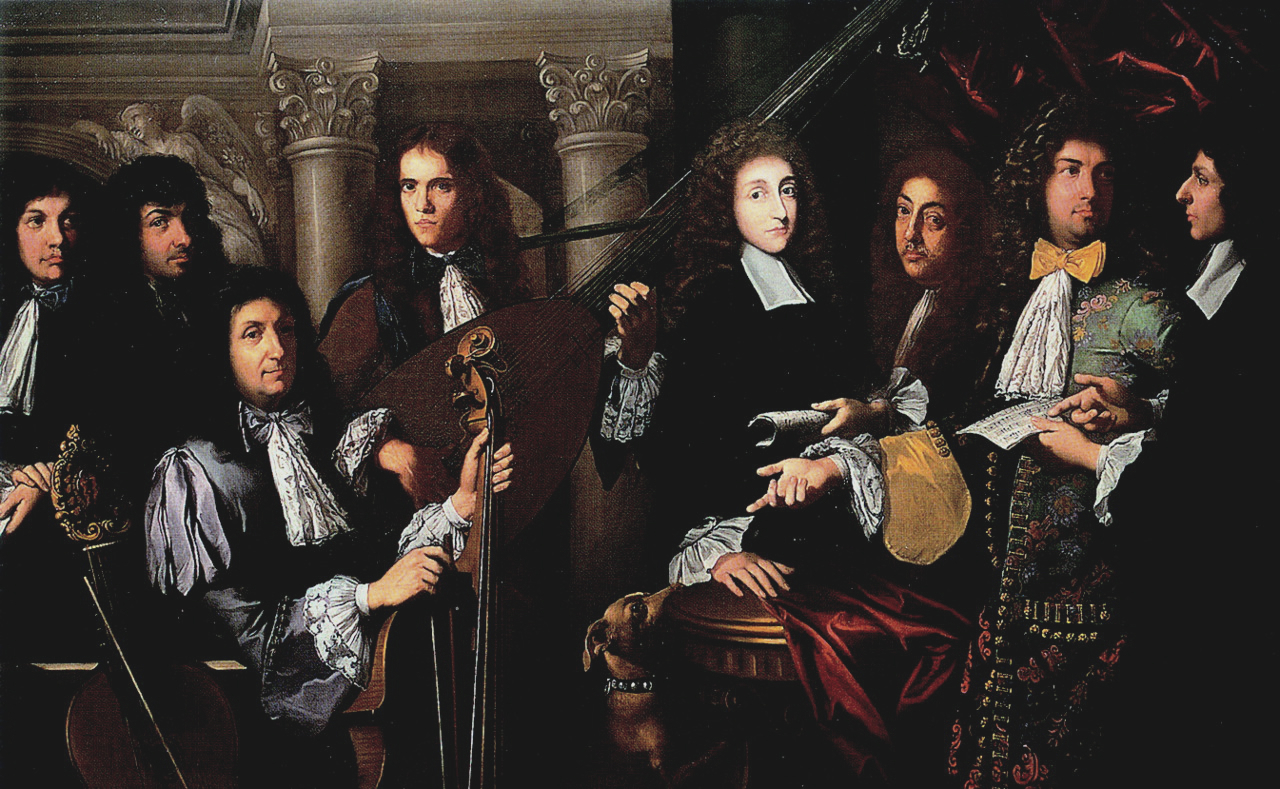
Family, marriage and succession
In 1689 Ferdinando entered a dynastic marriage with Violante Beatrice of Bavaria, a union typical of European princely diplomacy of the era. The marriage produced no children. Ferdinando's premature death at age 50—often reported to have been caused by syphilis—left the line of succession unsettled. His younger brother Gian Gastone later became Grand Duke, but the absence of heirs from Ferdinando and Gian Gastone contributed to the eventual extinction of the senior Medici line in the 18th century.
Role and responsibilities
As Grand Prince, Ferdinando held the rank and duties traditionally associated with the heir apparent: he represented the court in official ceremonies, managed household affairs, and prepared for possible government by participating in court life and patronage. The title identified him publicly as the designated successor, though real political power rested with his father, whose conservative and devout policies shaped Tuscan government during this period.
Cultural life and patronage
Ferdinando belonged to the long-standing Medici tradition of princely patronage. While he did not found major new institutions, he maintained court entertainments, supported musicians and collectors at the Florentine court, and took part in the cultural routines that kept Florence a regional artistic center. The Medici family's broader legacy—support for the arts and sciences—framed his activities and influenced the city's cultural scene through the late 17th and early 18th centuries.
Historical significance and legacy
- Heir apparent who never ruled: Ferdinando illustrates the fragility of dynastic succession when an heir predeceases the sovereign.
- Dynastic marriage without issue: his childless marriage to Violante Beatrice had lasting consequences for Medici succession plans.
- Part of a fading era: the deaths and lack of descendants among the later Medici princes accelerated the transfer of Tuscan sovereignty to foreign houses in the 18th century.
Although Ferdinando did not leave a political or reforming imprint comparable to some of his ancestors, his life highlights the intersection of family strategy, court culture, and succession politics in early modern Tuscany. For further readings on his parents, the court, and Tuscan succession, consult entries linked above and specialized works on the later Medici period.
Questions and answers
Q: Who was Ferdinando de' Medici?
A: Ferdinando de' Medici was the son of Cosimo III de' Medici, Grand Duke of Tuscany and Marguerite Louise d'Orléans.
Q: What was Ferdinando de' Medici's title?
A: Ferdinando de' Medici was the Grand Prince of Tuscany from his father's accession in 1670 until his death in 1713.
Q: Who did Ferdinando de' Medici marry?
A: Ferdinando de' Medici married Violante Beatrice of Bavaria in 1689.
Q: Did Ferdinando de' Medici have children?
A: No, the marriage between Ferdinando de' Medici and Violante Beatrice of Bavaria remained childless.
Q: How did Ferdinando de' Medici die?
A: Ferdinando de' Medici died of syphilis aged 50.
Q: Who became the Grand Prince after Ferdinando de' Medici's death?
A: After Ferdinando de' Medici's death, his older brother Gian Gastone de' Medici became Grand Prince and later the Grand Duke of Tuscany.
Q: What is the Grand Duchy of Tuscany?
A: The Grand Duchy of Tuscany was a European state that existed from the 16th century to the 19th century. It was ruled by the Medici family for most of its existence.
Author
AlegsaOnline.com Ferdinando de' Medici, Grand Prince of Tuscany (1663–1713) Leandro Alegsa
URL: https://en.alegsaonline.com/art/118898