
Federico García Lorca: Spanish poet and dramatist
Spanish poet, playwright and theatre director (1898–1936), leading figure of the Generation of '27; known for lyrical poetry, tragic rural dramas, surreal imagery and a controversial death during the Spanish Civil War.
Overview
Federico García Lorca (5 June 1898 – 19 August 1936) was a central figure in twentieth‑century Spanish literature. A poet, dramatist and theatre director, he combined folkloric Andalusian themes with avant‑garde techniques and became internationally known as a member of the Generation of '27. His work is celebrated for its musical language, vivid imagery and tragic intensity.
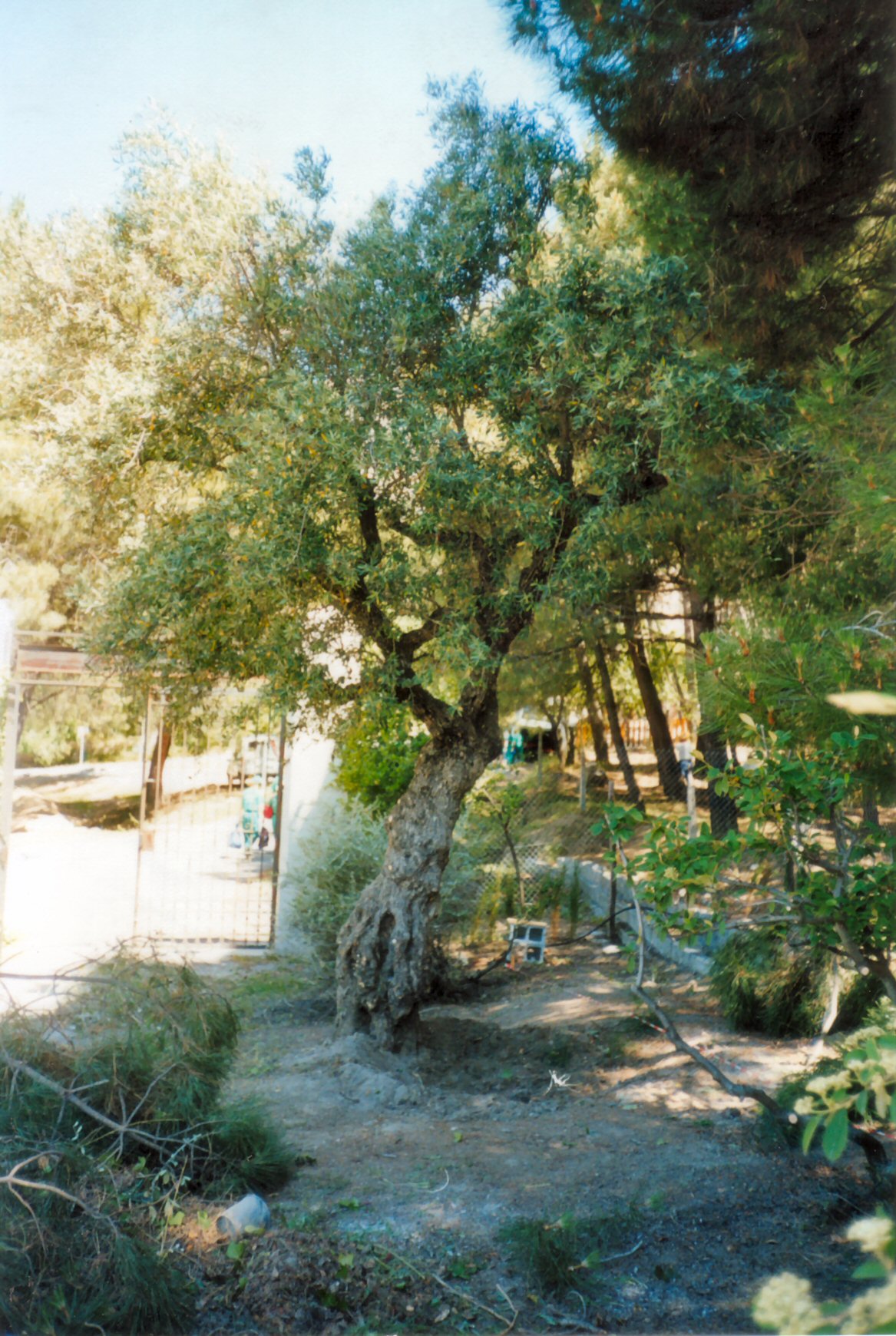
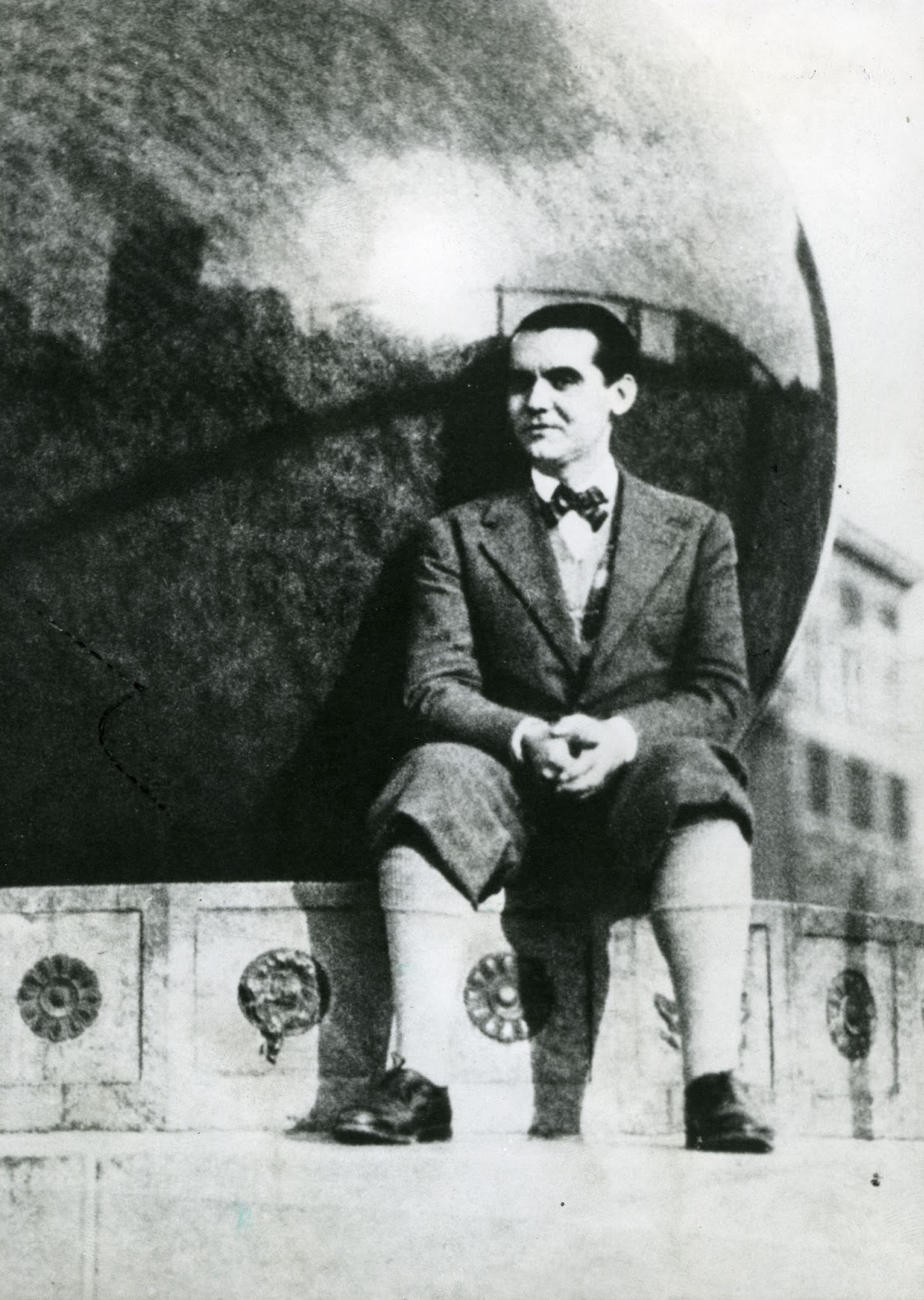
Image gallery
10 Images




Major works and forms
Lorca wrote across genres: intimate and folkloric poetry collections and theatrical tragedies that often focus on honor, desire and social constraint. Major titles include:
- Romancero gitano (Gypsy Ballads) — a lyrical cycle inspired by Andalusian life and oral tradition
- Bodas de sangre (Blood Wedding), Yerma and La casa de Bernarda Alba — three emblematic rural tragedies for the stage
- Smaller poems, translations and experimental pieces that show influences from surrealism and popular song
Style, themes and influences
Lorca’s voice blends traditional Spanish forms (romances, cante jondo) with modernist and surrealist imagery. Recurring themes include love and its frustrations, death, fate and the oppression of individuals—particularly women—by social codes. He drew on Andalusian folklore, gypsy culture and flamenco aesthetics, while also engaging with contemporary artists and filmmakers of his circle.
Death and investigations
At the outbreak of the Spanish Civil War Lorca was arrested and is widely believed to have been executed by Nationalist forces or associated death squads; accounts and exact circumstances remain disputed. In 2008 a Spanish judge opened an investigation into his killing, and later searches at a site near Alfacar were authorised with family consent but did not recover human remains. For further details see the civil war investigation.
Personal life and public perception
Lorca’s sexuality and private relationships are broadly acknowledged in biographical studies and have informed readings of his work and social position. His sexual orientation is discussed in many scholarly accounts and popular biographies; for background see a representative biographical note.
Legacy
Although his life was cut short, Lorca’s influence has endured: his plays remain in repertoire worldwide, his poetry is widely translated, and his image has become a symbol of artistic freedom and of the cultural losses of the Civil War. During the Franco era his works were sometimes censored, yet international admiration helped secure his reputation as one of Spain’s most important twentieth‑century writers.
Questions and answers
Q: Who was Federico García Lorca?
A: Federico García Lorca was a Spanish poet, dramatist and theatre director who achieved international recognition as an emblematic member of the Generation of '27.
Q: When was Federico García Lorca born and when did he die?
A: Federico García Lorca was born on June 5, 1898, and he died on August 19, 1936.
Q: How did Federico García Lorca die?
A: Federico García Lorca was believed to be one of thousands who were summarily shot by anti-communist death squads during the Spanish Civil War.
Q: What is the Generation of '27?
A: The Generation of '27 was a group of Spanish poets who came together in the 1920s to promote a revival of traditional poetic forms and an emphasis on Spanish cultural identity.
Q: Was Federico García Lorca gay?
A: Yes, Federico García Lorca was gay.
Q: Was there an investigation into Federico García Lorca's death?
A: Yes, a Spanish judge opened an investigation into Lorca's death in 2008.
Q: Were any human remains found during the excavation of a potential gravesite near Alfacar related to Federico García Lorca's death?
A: No, no human remains were found.
Related articles
Author
AlegsaOnline.com Federico García Lorca: Spanish poet and dramatist Leandro Alegsa
URL: https://en.alegsaonline.com/art/118875