
Evgeni Plushenko: Russian Figure Skater and Olympic Champion
Evgeni Plushenko (born 1982) is a Russian figure skater noted for his longevity, technical jumping ability and multiple Olympic, World and European medals. He trained in the late Soviet-era system and later skated professionally.
Overview
Evgeni Plushenko (born 3 November 1982) is a prominent Russian figure skater whose competitive career spanned the late 1990s into the 2010s. He is widely recognized for combining strong athletic jumping elements, including quadruple jumps, with theatrical presentation. Over more than a decade at the top of men's skating he won multiple international medals, including Olympic medals and several major championship titles.
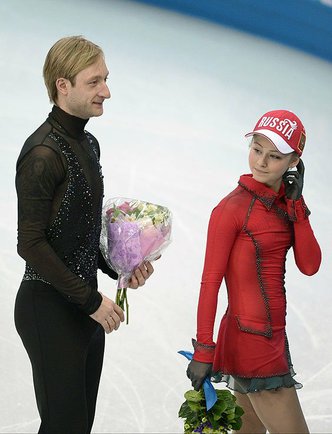
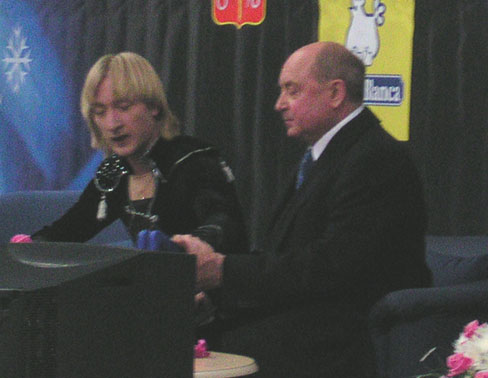
Image gallery
7 Images




Early life and training
Plushenko was born and raised during the final years of the Soviet Union and developed in the centralized training environment that produced many elite skaters. He emerged from a system that emphasized early selection, intensive technical coaching and integrated support for promising children. His formative years were shaped by rigorous practice routines and a focus on sound fundamentals in skating, jumps and spins. He represents Russia internationally and his background is rooted in the institutions of the Soviet Union.
Competitive career
Plushenko rose quickly through junior ranks into senior competition. His record includes medals at the Olympic Games, and top placings at World and European Championships. He became known for his consistency under pressure, his technical daring—particularly his use of quadruple jumps—and his longevity at elite level, returning from injuries and adapting his programs over many seasons. He was a frequent contender for podium positions at major ISU events and at the Winter Olympics.
Style, strengths and legacy
Technically, Plushenko combined powerful edges, quick footwork and a repertoire of difficult jumps. Artistically he favored dramatic, sometimes theatrical programs that highlighted his posture and expressiveness. His career influenced a generation of male skaters who sought to balance high-difficulty elements with program components. Often described as one of the leading skaters of his era, he is credited with helping raise expectations for technical content in men's skating.
Later career and contributions
After retiring from top-level competition, Plushenko skated in professional shows, served as a coach and choreographer for younger skaters and appeared in public sporting events. He remained a visible figure in skating circles, contributing to exhibitions and national events while sharing experience gained across an unusually long competitive span.
Notable facts
- Plushenko is often cited as one of the last elite skaters to come through the late Soviet-style centralized training system.
- He is admired for a blend of technical ambition and program presentation that influenced modern men's skating.
Questions and answers
Q: Who is Evgeni Plushenko?
A: Evgeni Plushenko is a figure skater from Russia.
Q: When was he born?
A: He was born on 3 November 1982.
Q: Where did he grow up?
A: He grew up in the Soviet Union.
Q: What type of figure skater is he considered to be?
A: He is considered to be part of the "Soviet System" figure skaters.
Q: How did this system work?
A: This system took children away from their parents at a young age and raised them in a training system away from home while providing them with housing, food, and equipment so they could become the best.
Q: What did this system provide for the children?
A: This system provided housing, food, and equipment for the children so they could become the best.
Q: Why was this system created?
A: This system was created to help produce some of the best figure skaters by taking children away from their parents at a young age and raising them in a training system away from home while providing them with everything they needed to succeed.
Related articles
Author
AlegsaOnline.com Evgeni Plushenko: Russian Figure Skater and Olympic Champion Leandro Alegsa
URL: https://en.alegsaonline.com/art/118782