
Eunice Kennedy Shriver: advocate for people with intellectual disabilities
American philanthropist and activist who founded the Special Olympics and led decades of advocacy for people with intellectual disabilities; member of the Kennedy family.
Overview
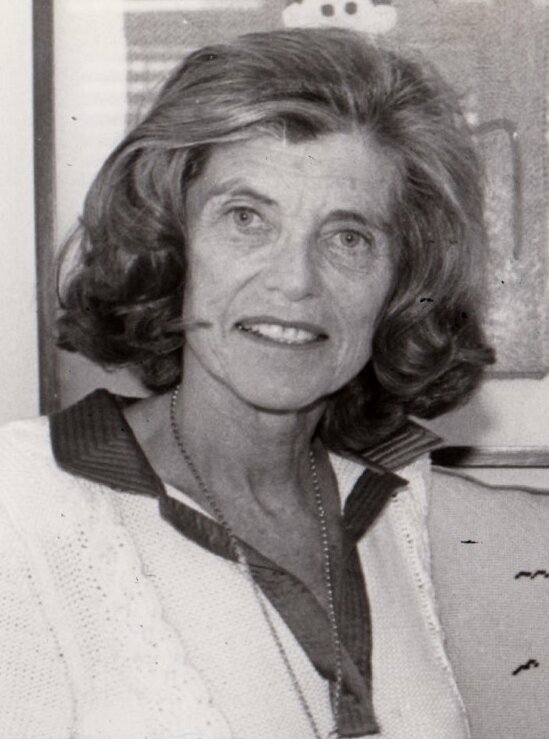
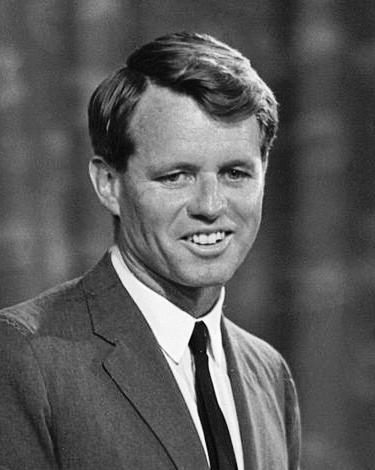
Eunice Mary Kennedy Shriver (July 10, 1921 – August 11, 2009) was an American philanthropist and public figure best known for creating the Special Olympics and for long-standing advocacy on behalf of people with intellectual disabilities. A member of the Kennedy family, she was a sister of President John F. Kennedy and Senators Robert F. Kennedy and Ted Kennedy. Her work combined grassroots programming, public education and institutional reform.
Image gallery
8 Images




Early life and motivations
Raised in a prominent family in Massachusetts, Shriver was exposed early to public service and political engagement. Personal encounters with family members and neighbors who had intellectual disabilities helped shape her lifelong commitment to inclusion. She balanced family responsibilities with volunteer work and later used public platforms to change perceptions and policies about disability.
Founding the Special Olympics and activism
In the 1960s Shriver launched a program of summer sports training for children and adults with intellectual disabilities that evolved into the Special Olympics, first held in 1968. The organization emphasized access to athletics, dignity, and community participation. Under her leadership and through partnerships with volunteers, athletes and public figures, Special Olympics grew into an international movement offering year-round sports training, competitions and health initiatives.
Work, recognition and institutions
Shriver combined advocacy with institution building: she supported research into developmental disabilities, camp-based programs, and public awareness campaigns. Over decades she received wide recognition for changing the landscape of services and attitudes. Key elements of her approach included family support, community-based recreation, and inclusive education and employment efforts.
Legacy and significance
Eunice Kennedy Shriver is remembered for translating compassion into durable programs that expanded opportunities for millions. The Special Olympics remains a central part of her legacy, while her broader influence helped shift social policy and stigma surrounding intellectual disability toward acceptance and participation. Her life illustrates how civic engagement, sustained leadership and innovation can produce lasting social change.
Questions and answers
Q: Who was Eunice Kennedy Shriver?
A: Eunice Kennedy Shriver was a member of the Kennedy family, and the sister of President John F. Kennedy and Senators Robert F. Kennedy and Ted Kennedy.
Q: When was Eunice Kennedy Shriver born?
A: Eunice Kennedy Shriver was born on July 10, 1921.
Q: When did Eunice Kennedy Shriver pass away?
A: Eunice Kennedy Shriver passed away on August 11, 2009.
Q: What is the DSG attached to Eunice Kennedy Shriver's name?
A: DSG is an abbreviation for Member of the Dames of St. Gregory, which was an honor bestowed upon Eunice Kennedy Shriver by the Roman Catholic Church.
Q: How many siblings did Eunice Kennedy Shriver have?
A: Eunice Kennedy Shriver had 7 siblings, including President John F. Kennedy and Senators Robert F. Kennedy and Ted Kennedy.
Q: What was the profession of Eunice Kennedy Shriver?
A: It is unclear what profession Eunice Kennedy Shriver pursued, but she was known for her philanthropic work, particularly as the founder of the Special Olympics.
Q: What was Eunice Kennedy Shriver known for?
A: Eunice Kennedy Shriver was known for her philanthropic work, particularly as the founder of the Special Olympics.
Related articles
Author
AlegsaOnline.com Eunice Kennedy Shriver: advocate for people with intellectual disabilities Leandro Alegsa
URL: https://en.alegsaonline.com/art/118745
Sources
- edition.cnn.com : "Eunice Kennedy Shriver dies"
- washingtonpost.com : "Eunice Kennedy Shriver, Founder of Special Olympics, Dies at 88"