
Emperor Chūai — Legendary 14th Emperor of Japan
Emperor Chūai is the traditionally numbered 14th monarch of Japan. Regarded by scholars as a legendary figure, his life and reign are known only from later chronicles and mythic narratives.
Overview
Emperor Chūai is listed in the traditional imperial succession as the 14th sovereign of Japan. In modern scholarship he is classed as a legendary ruler: no contemporaneous records survive that allow historians to verify his life, exact reign dates, or actions with certainty. The conventional sequence of early emperors was retroactively organized and given names and numbers by later generations.
Image gallery
4 Images


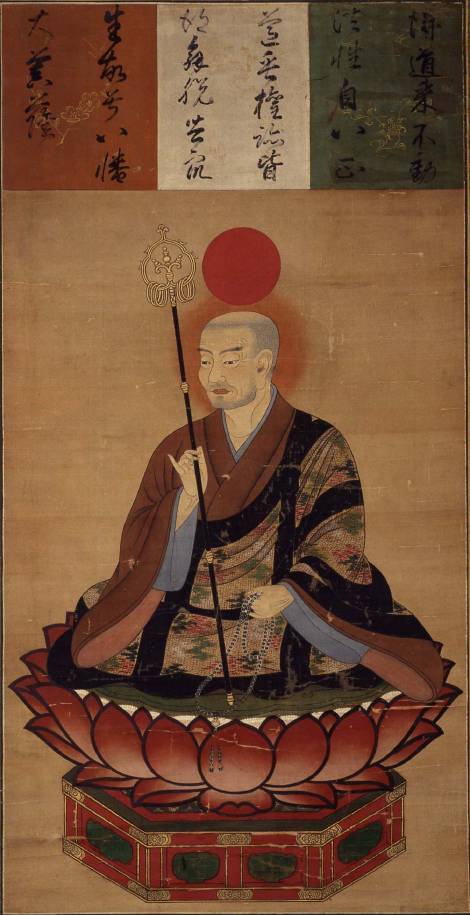
Primary sources and name
The principal narratives about Chūai appear in the two early chronicles compiled in the early eighth century, which mix genealogy, myth, and political memory. His personal name and the formal imperial title were assigned after the fact as a posthumous designation used to harmonize the ancestral lists. The listing portrays him as the 14th emperor in the line that became the Yamato dynasty of Japan.
Traditional narrative and context
Traditional accounts associate Chūai with themes common to the earliest imperial stories: divine ancestry claims, oracular pronouncements, and succession events involving powerful consorts. He is tied in the chronicles to a prominent female figure who plays a central role after his death. Because the sources blend myth and political legitimation, their stories about battles, foreign expeditions, or miracles are treated cautiously by historians.
Historiography and later treatment
Scholars stress that Chūai’s place in the official genealogy was not fixed until the imperial household and court historians consolidated a continuous line of rulers. This process culminated in arrangements that were recognized in the era of Emperor Kammu, the 50th monarch, when the traditional list was more firmly established. Archaeological evidence that could confirm specific events or dates connected to Chūai has not been identified.
Legacy and significance
Whether historical or mythical, Chūai functions in Japanese memory as part of the foundation narrative for the imperial house. He appears in rituals and memorial lists, and shrine sites and tombs are sometimes venerated in his name, reflecting the continuity of imperial ritual rather than documented biography. Modern treatments distinguish clearly between the chronicle image and historical proof, emphasizing that many early emperors occupy a space between myth and history.
Key points
- Listed as the 14th sovereign in the traditional order: 14th emperor.
- Regarded as legendary by historians; no verifiable dates.
- Name and title applied posthumously by later generations.
- Accounts preserved in early chronicles completed before the reign of Emperor Kammu.
- Part of Japan’s foundational imperial mythology and veneration practices.
Questions and answers
Q: Who was Emperor Chūai?
A: Emperor Chūai was the 14th emperor of Japan according to the traditional order of succession.
Q: How do historians view Emperor Chūai?
A: Historians consider Emperor Chūai to be a legendary person.
Q: Was the title Chūai-tennō given to Emperor Chūai during his lifetime?
A: No, the title Chūai-tennō was created posthumously by later generations.
Q: Are there any certain dates available for Emperor Chūai's life or reign?
A: No, there are no certain dates that can be assigned to Emperor Chūai's life or reign.
Q: When were the conventionally accepted names and sequence of the early emperors confirmed as "traditional"?
A: The conventionally accepted names and sequence of the early emperors were not confirmed as "traditional" until the reign of Emperor Kammu, who was the 50th monarch of the Yamato dynasty.
Q: How many emperors were there before Emperor Chūai according to the traditional order of succession?
A: According to the traditional order of succession, there were 13 emperors before Emperor Chūai.
Q: Is Emperor Chūai considered to be a real historical figure?
A: It is unclear whether Emperor Chūai was a real historical figure or solely a legendary one.
Related articles
Author
AlegsaOnline.com Emperor Chūai — Legendary 14th Emperor of Japan Leandro Alegsa
URL: https://en.alegsaonline.com/art/118492
Sources
- kunaicho.go.jp : 仲哀天皇 (14)
- t-net.ne.jp : "Kofun Culture,"
- t-net.ne.jp : Japanese Archaeology.
- simple.wiktionary.orgLegend.html : Legendary period