
Emma of Waldeck and Pyrmont (1858–1934): Queen Consort and Regent
Princess Emma of Waldeck and Pyrmont (1858–1934) was the second wife of King William III and served as regent of the Netherlands for her daughter Wilhelmina from 1890 to 1898, preserving dynastic continuity and stability.
Overview
Emma of Waldeck and Pyrmont (Adelheid Emma Wilhelmina Theresia; 2 August 1858 – 20 March 1934) was a German-born princess who became Queen Consort of the Netherlands by marriage and later served as Queen-Regent. She married King William III in 1879 and after his death in 1890 acted on behalf of their minor daughter until the latter reached majority.
Image gallery
7 Images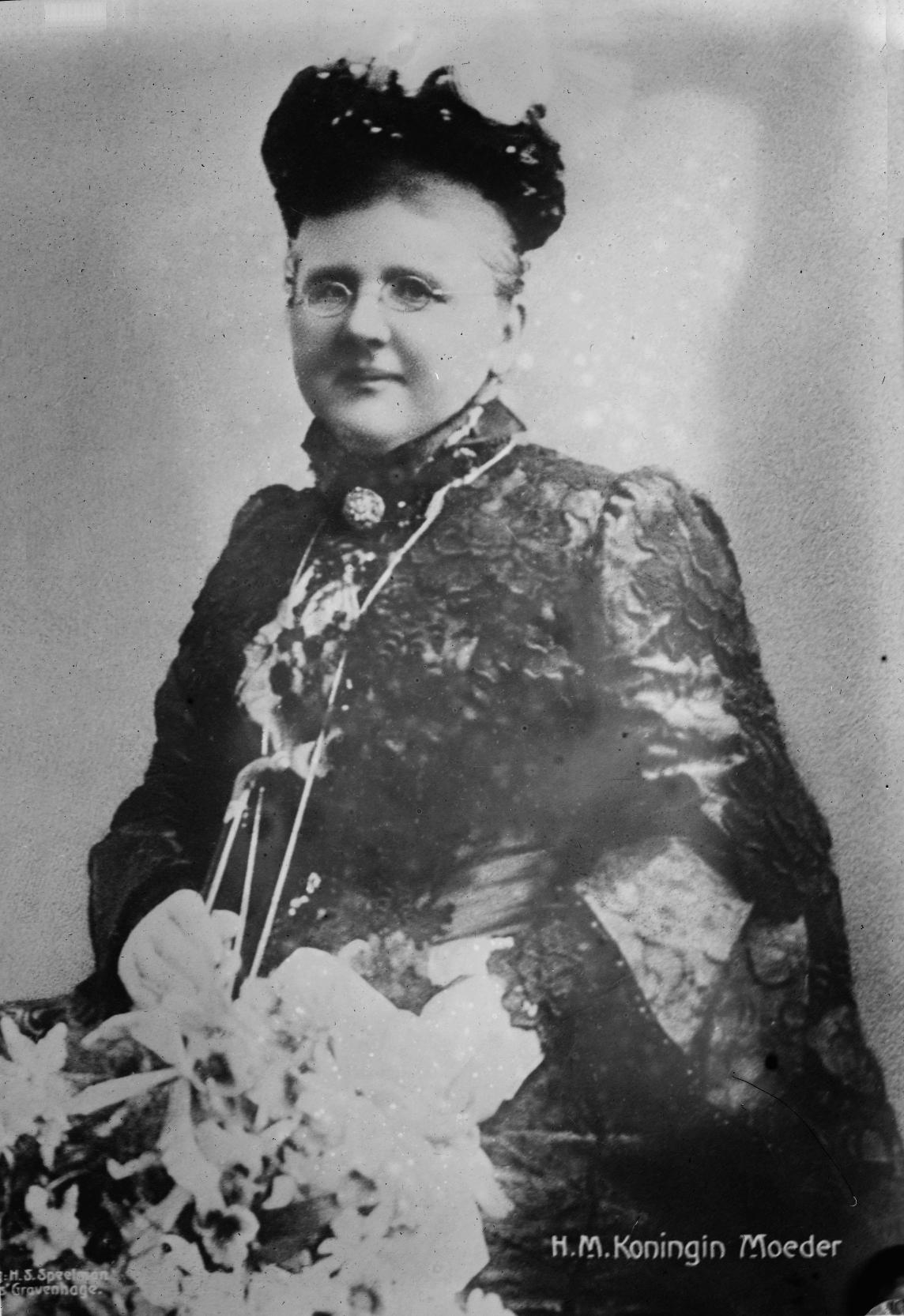


Early life and family background
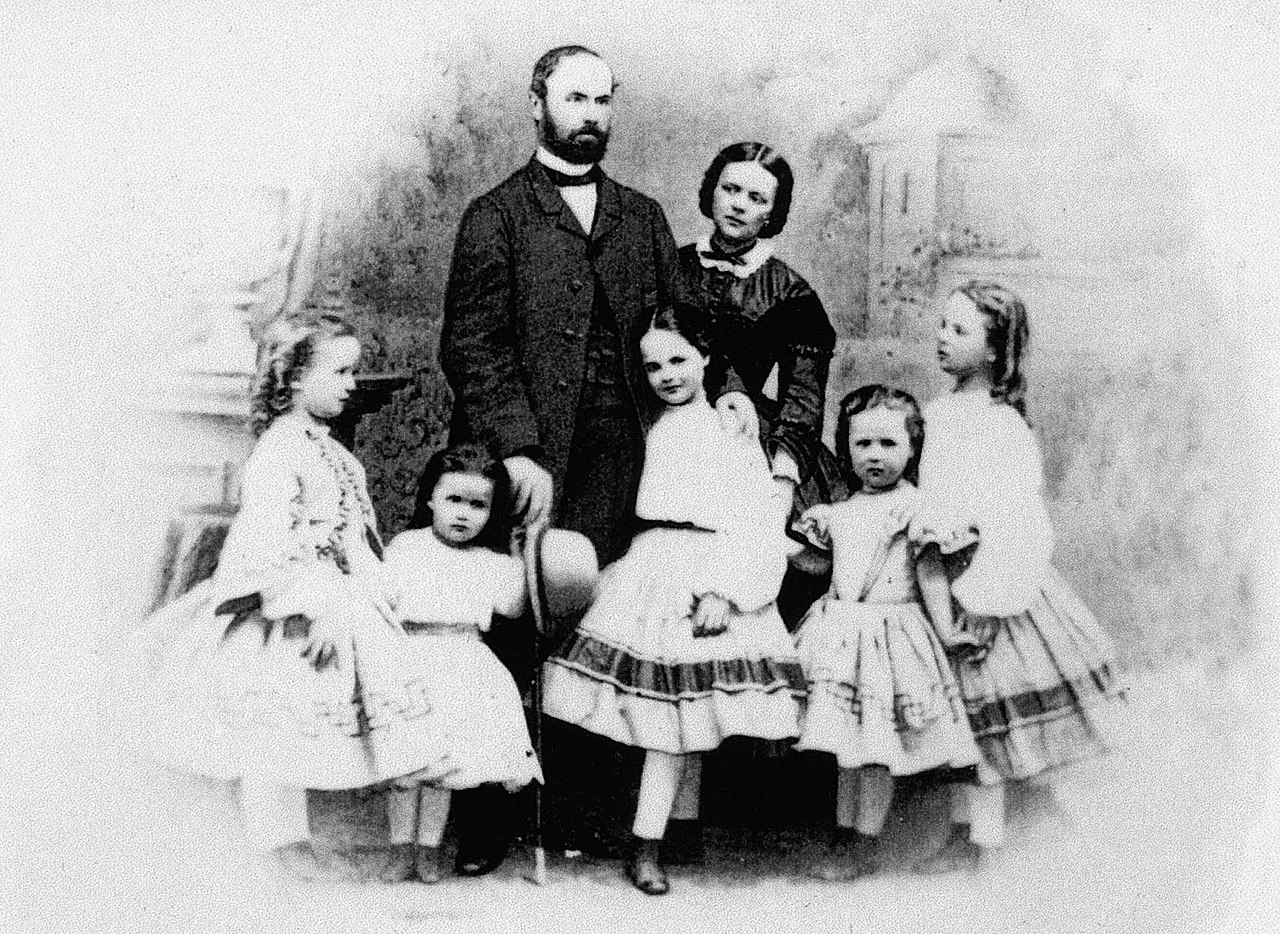
Emma was a member of the princely house of Waldeck and Pyrmont, a small German state in the 19th century. Raised in a conservatively minded court, she received an upbringing designed to prepare a princess for public duties: religious instruction, languages, and the management of household and charitable obligations. Her family connections and reputation for prudence made her an acceptable match in the dynastic politics of the period.
Marriage and role as queen consort
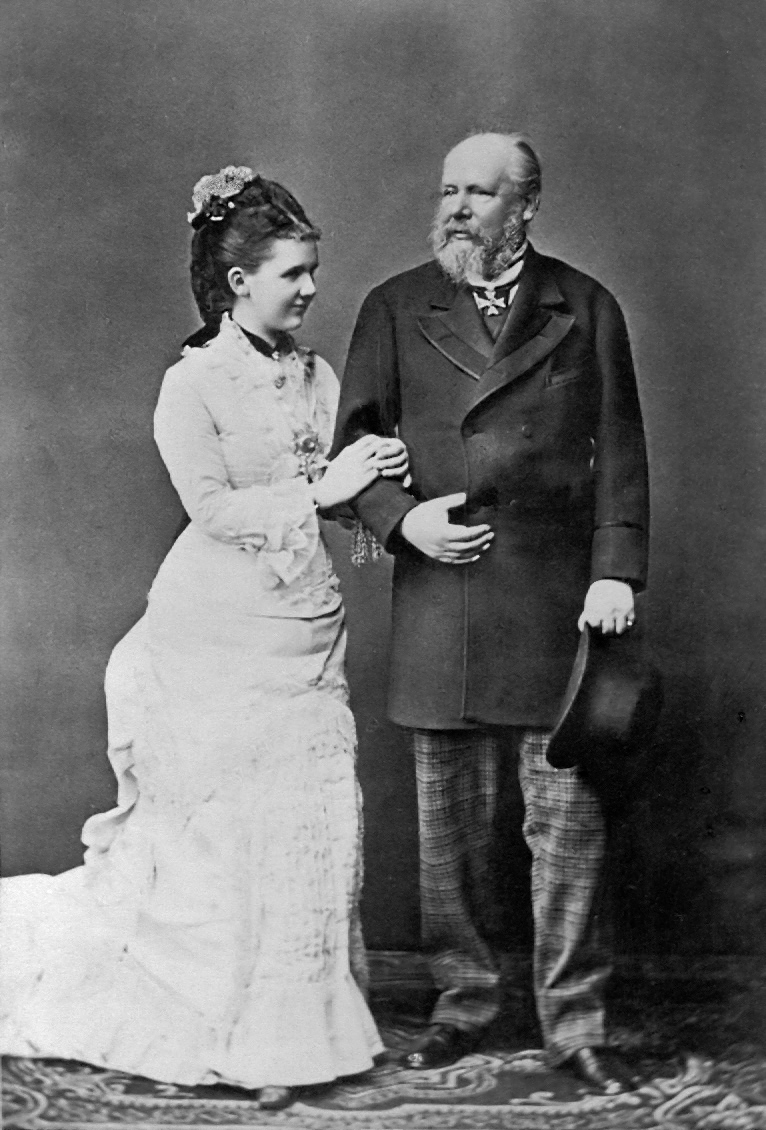
Emma married William III, who was considerably older and had children from a first marriage. The marriage produced a single surviving child, Wilhelmina, born in 1880, who became heir to the throne. As queen consort Emma fulfilled representational duties, supported social and charitable initiatives, and took part in court life, while also preparing her daughter for future responsibilities.
The regency, 1890–1898
When King William III died in 1890, the ten-year-old Wilhelmina could not yet assume full royal powers. Emma was appointed regent and exercised the constitutional duties of the monarch until 1898. Her regency focused on continuity of government, careful stewardship of the crown's position in a parliamentary system, and the education and protection of the young sovereign. Contemporaries and later historians have stressed her conservative prudence, tactful exercise of limited powers, and willingness to work with ministers to preserve stability. For summaries of the regent's constitutional role see relevant sources.
Later life and legacy
After Wilhelmina came of age and assumed the throne, Emma remained a respected figure at court and continued philanthropic work. She acted as an adviser and mentor to her daughter and represented a link between 19th-century dynastic traditions and the evolving modern monarchy. Her regency is often credited with protecting the young queen and sustaining public confidence in the institution during a vulnerable period.
Key dates and facts
- Born: 2 August 1858, Arolsen, Waldeck and Pyrmont
- Married King William III: 1879
- Mother of Queen Wilhelmina: 1880
- Regent of the Netherlands: 1890–1898
- Died: 20 March 1934, The Hague
Questions and answers
Q: Who was Emma of Waldeck and Pyrmont?
A: Emma of Waldeck and Pyrmont was a princess of Orange-Nassau and Waldeck-Pyrmont.
Q: When was Emma of Waldeck and Pyrmont born and when did she die?
A: Emma of Waldeck and Pyrmont was born on 2 August 1858 and died on 20 March 1934.
Q: Who was Emma of Waldeck and Pyrmont's husband and how long were they married?
A: Emma of Waldeck and Pyrmont's husband was King William III of the Netherlands, and they were married from 1879 until he died in 1890.
Q: Why did Emma of Waldeck and Pyrmont become Queen-Regent of the Netherlands after her husband's death?
A: Emma of Waldeck and Pyrmont became Queen-Regent of the Netherlands after her husband's death because her daughter Wilhelmina was only 10 years old and too young to reign.
Q: What was Emma of Waldeck and Pyrmont's daughter's name?
A: Emma of Waldeck and Pyrmont's daughter's name was Wilhelmina.
Q: When did King William III of the Netherlands die?
A: King William III of the Netherlands died in 1890.
Q: What was Emma of Waldeck and Pyrmont's full name?
A: Emma of Waldeck and Pyrmont's full name was Adelheid Emma Wilhelmina Theresia.
Related articles
Author
AlegsaOnline.com Emma of Waldeck and Pyrmont (1858–1934): Queen Consort and Regent Leandro Alegsa
URL: https://en.alegsaonline.com/art/118468
Sources
- parlement.com : parlement.com
- wetten.overheid.nl : BWBR0001858
- koninklijkhuis.nl : Koningin Emma (1858-1934)
- Emma of Waldeck and Pyrmont