
Bite (injury caused by the teeth of another animal)
A bite is an injury produced by the teeth of another creature. Covers types of bites, wound patterns, infection risks, first aid and treatment, prevention, and forensic considerations.
Overview
A bite is a wound inflicted by the teeth of another creature, including mammals, reptiles, birds or humans. Biting may occur during predation, feeding, play, or as a defensive or territorial response. Some animals bite to tear or cut food into manageable pieces, while others bite when threatened or provoked. The term covers a range of injuries from minor abrasions to deep puncture wounds.
Animals commonly involved in bites include domestic pets and wildlife; see more about animals that bite. Biting in anger or fear is a common form of self-defence among animals and can also involve people.
Image gallery
4 Images


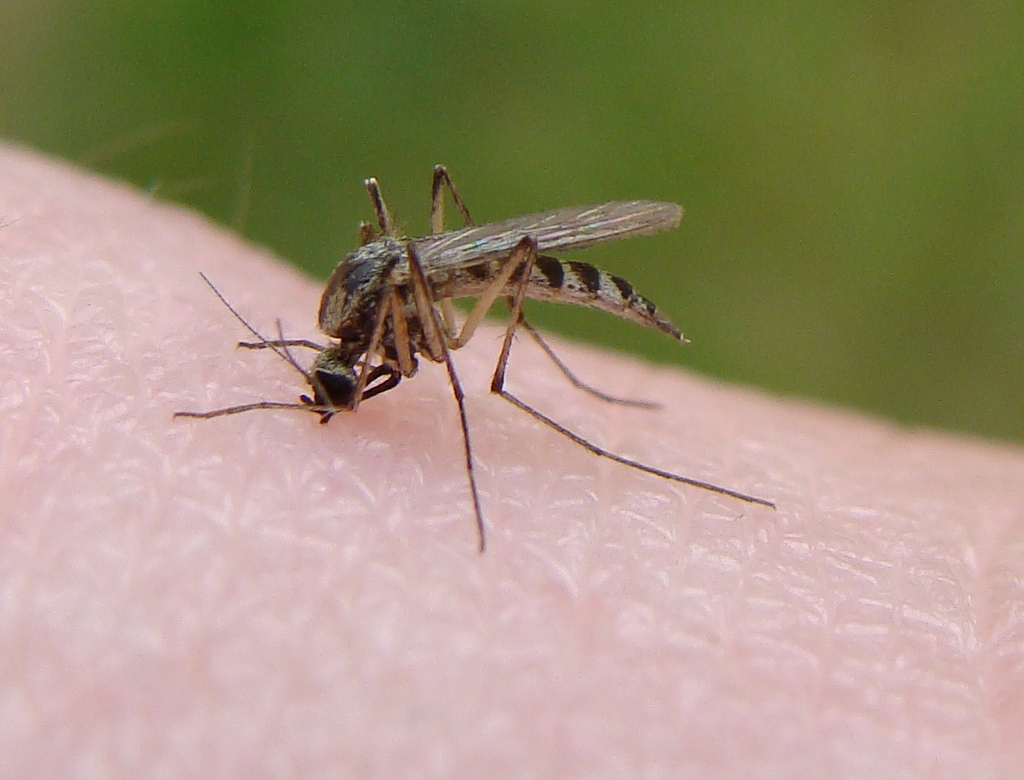
Characteristics and wound types
Bites are classified by the pattern of injury: puncture wounds from sharp teeth, lacerations from tearing forces, crushing injuries from strong jaws, and avulsions where tissue is torn away. Human bites can produce distinctive patterns due to dental arches and are often located on hands or head. Wound depth, contamination, and location influence both immediate management and long‑term outcomes.
Medical risks and treatment
Bites carry risks beyond bleeding: broken bones, damaged tendons or nerves, and bacterial infection. Microbes from animal mouths can cause local infection and, rarely, systemic illness. Common concerns include tetanus and, in certain regions or species, rabies. Prompt first aid—control bleeding, irrigate with clean water, and cover the wound—is recommended. Medical evaluation is advised for deep, dirty, or hand bites, bites in immunocompromised people, or when signs of infection appear.
- Health complications include wound infection and, occasionally, more serious conditions; see medical problems.
- Clinicians may irrigate, debride, provide antibiotics, update tetanus immunization, or refer for surgery if structures are involved.
- Rabies post‑exposure prophylaxis is considered when the animal is wild, unavailable for observation, or known to carry the virus.
Prevention, public health and forensic notes
Prevention focuses on responsible pet ownership, vaccination of domestic animals, avoiding interactions with unfamiliar wildlife, and educating people about risky situations for bites. Human bite marks have been used in forensic investigations, but interpretation is complex and experts caution against overreliance on bite‑mark comparisons alone. Reporting significant bites to local health authorities can help manage rabies risk and other public health concerns.
With appropriate first aid and timely medical care most bite wounds heal without lasting disability. However, because of the variable risks depending on the animal and circumstances, professional assessment is often the safest course after any significant bite.
Questions and answers
Q: What is a bite?
A: A bite is a wound received from the teeth of an animal.
Q: Why do animals bite things?
A: Animals may bite things in self-defence. Animals also bite things to cut them into smaller pieces before they eat them.
Q: What problems can bites cause?
A: Bites can cause many medical problems, such as infections, rabies, and other diseases.
Q: Can bites be dangerous?
A: Yes, bites can be dangerous if they are not properly treated. They can lead to serious infections and even death in some cases.
Q: What should you do if you are bitten by an animal?
A: If you are bitten by an animal, you should immediately clean the wound with soap and water and seek medical attention.
Q: How can you prevent getting bitten by an animal?
A: To prevent getting bitten by an animal, you should avoid approaching or provoking them, and always give them plenty of space. You should also avoid handling unfamiliar animals, and make sure your pets are vaccinated and well-behaved.
Q: What types of animals are known to bite people?
A: Many types of animals can bite people, including dogs, cats, snakes, spiders, and even some wild animals like bears and sharks.
Related articles
Author
AlegsaOnline.com Bite (injury caused by the teeth of another animal) Leandro Alegsa
URL: https://en.alegsaonline.com/art/11841