
Eliza Manningham-Buller, Baroness Manningham-Buller
British intelligence leader who served as Director General of MI5 (2002–2007), later became a crossbench life peer and chair of the Wellcome Trust, noted for contributions to national security and public service.
Overview
Elizabeth Lydia "Eliza" Manningham-Buller, Baroness Manningham-Buller is a senior figure in British public life. She led the Security Service (MI5) in the early 21st century and has since moved into public and charitable roles. She is a life peer and holds senior honours (see below) that recognize a long career in national security and public administration. Key organizations and official honours are linked where available: LG, DCB.
Image gallery
4 Images


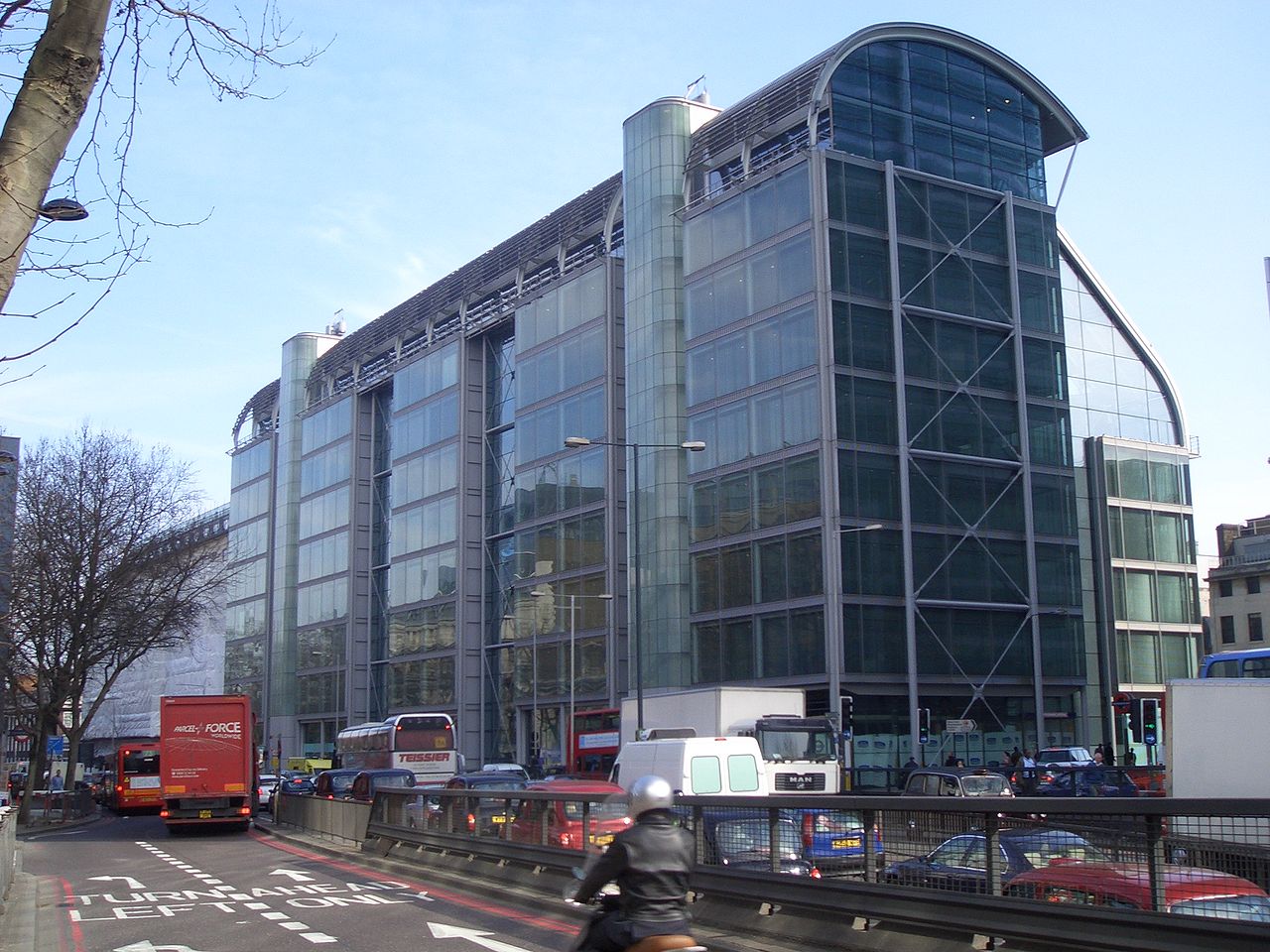
Early career and rise in intelligence
Manningham-Buller joined the Security Service and progressed through operational and managerial posts over several decades. Her background combined analytical work, counter‑espionage and counter‑terrorism responsibilities. By the early 2000s she had reached senior leadership, preparing her to assume the top civilian role in the service. She became Director General of MI5 in October 2002, taking charge of the United Kingdom's domestic security agency during a period of heightened attention to terrorism and organised threats. For information on the agency she led, see MI5.
Leadership of MI5 (2002–2007)
As Director General from October 2002 until her retirement on 20 April 2007, Manningham-Buller steered the Service through operational changes and public debate about intelligence, surveillance and civil liberties. Her tenure covered evolving threats and an expanding partnership with other UK and international agencies. She emphasized professional reform, workforce development and the need to adapt intelligence processes to new challenges.
Later roles, honours and public service
After leaving active service she entered the House of Lords as a crossbench life peer on 18 April 2008 and has taken part in legislative scrutiny and public debates on security policy and governance; see her peerage entry at life peer record. She has also chaired major institutions in the non‑profit and research sectors, including serving as chair of the Wellcome Trust, the large UK biomedical research funder (Wellcome Trust).
Significance and notable facts
- One of the most prominent women in modern British intelligence leadership.
- Known for combining operational experience with institutional reform and public accountability.
- Her career bridges government security work and leadership of public charitable institutions.
Manningham-Buller's work illustrates how senior intelligence professionals transition into public life, bringing expertise on national security into wider institutional and civic roles.
Questions and answers
Q: Who is Eliza Manningham-Buller?
A: Eliza Manningham-Buller is a Baroness and one of the most senior women in British public life.
Q: What was her role in MI5?
A: She was the Director General of MI5, the British internal Security Service, from October 2002 until her retirement on 20 April 2007, aged 58.
Q: When did she retire from her role in MI5?
A: She retired from her role in MI5 on 20 April 2007, aged 58.
Q: What was her next career move after retiring from MI5?
A: She became a crossbench life peer on 18 April 2008.
Q: What is the Wellcome Trust?
A: The Wellcome Trust is the largest private financer of medical research in the UK.
Q: What is Eliza Manningham-Buller's role in the Wellcome Trust?
A: She is now the chair of the Wellcome Trust.
Q: What are Eliza Manningham-Buller's post-nominals?
A: Eliza Manningham-Buller's post-nominals include LG and DCB.
Related articles
Author
AlegsaOnline.com Eliza Manningham-Buller, Baroness Manningham-Buller Leandro Alegsa
URL: https://en.alegsaonline.com/art/118343
Sources
- lordsappointments.independent.gov.uk : "House of Lords Appointments Commission"
- news.bbc.co.uk : "Eliza Manningham-Buller profile"
- dailymail.co.uk : "MI5 chief quits as full story of 7 July is about to emerge"
- theguardian.com : "MI5 chief to resign after only four years in charge"
- mi5.gov.uk : "New Director General Announced" · web.archive.org
- bbc.co.uk : "Aung San Suu Kyi to present the BBC's Reith Lectures"
- bbc.co.uk : "BBC Radio 4 - The Reith Lectures, Securing Freedom: 2011, Eliza Manningham-Buller: Terror"
- bbc.co.uk : "Former MI5 head: Torture is 'wrong and never justified'"
- bbc.co.uk : "Former MI5 head: Talks with Gaddafi was right decision"