
Elihu Root: Lawyer, Statesman, and Architect of International Arbitration
Elihu Root (1845–1937) was an American lawyer, cabinet official and senator who modernized the U.S. Army, promoted international arbitration at The Hague, and received the 1912 Nobel Peace Prize.
Elihu Root (February 15, 1845 – February 7, 1937) was a prominent American lawyer and politician whose career combined private legal practice, executive administration and international diplomacy. A leading legal mind of his generation, Root served in two principal cabinet posts and later in the United States Senate. He remains best known for institutional reforms in the U.S. military, for promoting legal methods of international dispute resolution, and for receiving the 1912 Nobel Peace Prize.
Image gallery
10 Images


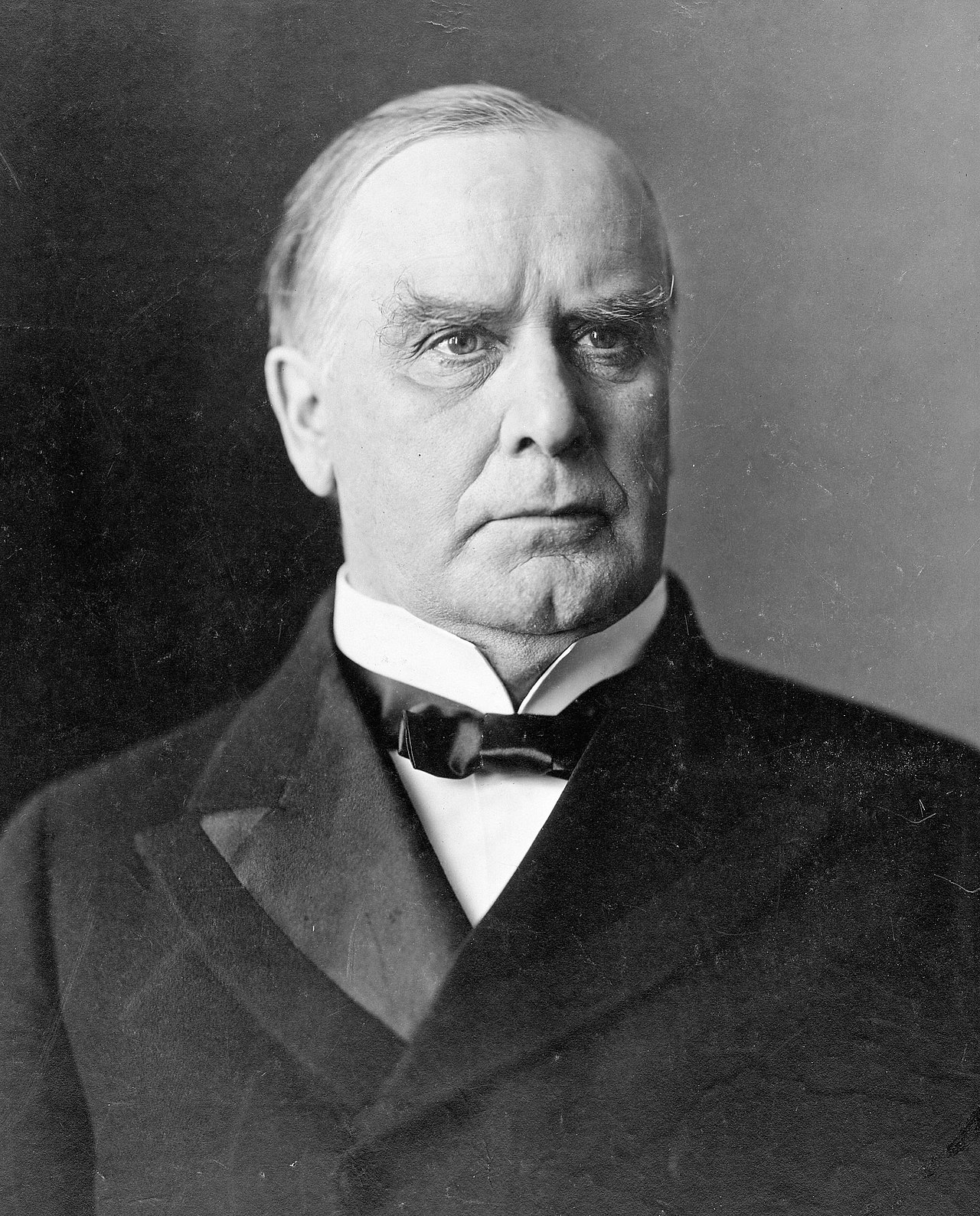


Early career and legal practice
Root established a national reputation as a skilled corporate and appellate lawyer before entering government service. His private work and published legal opinions marked him as an authority on commercial and administrative law. That reputation brought him invitations to public office and to advisory roles in matters of judicial and institutional reform.
Secretary of War: reorganization and professional education
Appointed Secretary of War in 1899 under President William McKinley and continued under President Theodore Roosevelt, Root led a systematic program of post‑Spanish‑American War reorganization. His initiatives helped create a more professional officer corps, improve logistics and medical services, and establish long‑term staff planning. Among these measures was the foundation of professional military education institutions and steps toward a permanent general staff to prepare the Army for modern operations.
Secretary of State and international diplomacy
As Secretary of State (1905–1909) Root emphasized rule‑based diplomacy, arbitration and international law. He supported the Hague conferences and worked to expand mechanisms for submitting disputes between states to impartial tribunals. His tenure included negotiations intended to stabilize relations in East Asia and agreements that reflected a legalistic approach to foreign affairs, notably efforts associated with the Root–Takahira understanding of 1908.
Senate service and public influence
After his cabinet service, Root served as a United States Senator from New York until 1915. In the Senate he combined legal scholarship with legislative work on the judiciary, military oversight and international questions. He continued to write, lecture and advise on arbitration, administrative law and institutional design, remaining an influential voice in Progressive‑era debates about the scope and organization of government.
International arbitration and the Nobel Prize
Root was an early American advocate for submitting international disputes to legal procedures. He participated in and supported the Hague conferences and helped popularize the idea that neutral tribunals and codified procedures could reduce the resort to force. In recognition of these efforts the Nobel Committee awarded him the 1912 Peace Prize, honoring his practical promotion of arbitration and judicial methods for resolving state conflicts and influencing later development of permanent international courts and tribunals, including concepts that would inform bodies such as the International Court of Justice and other arbitral institutions.
Legacy
- Root played a central role in modernizing the U.S. Army's organization and professional education.
- He championed arbitration and legal procedures in international affairs, shaping diplomatic practice in the early 20th century.
- His dual career in high public office and private law exemplified a Progressive‑era effort to apply professional expertise to public administration.
- The 1912 Nobel Peace Prize acknowledged his influence in promoting peaceful, legal means of settling international disputes.
Root's papers, speeches and correspondence are frequently consulted by scholars studying the transformation of American military and diplomatic institutions around 1900. For introductions and primary documents, readers may consult major collections of his writings and contemporary studies of the Hague conferences and early international arbitration practice. Additional overviews and biographical treatments are available that place his reforms and diplomacy in the broader context of U.S. foreign policy at the beginning of the 20th century.
Questions and answers
Q: Who was Elihu Root?
A: Elihu Root was an American lawyer and politician who served as United States Secretary of State under President Theodore Roosevelt and United States Secretary of War under President Roosevelt and President William McKinley. He was also a Senator from New York and received the Nobel Peace Prize in 1912.
Q: When was Elihu Root born?
A: Elihu Root was born on February 15, 1845.
Q: What was Elihu Root's role in developing the International Court of Justice?
A: Elihu Root played a significant role in developing the International Court of Justice, which is a court where countries could solve legal disputes. For his work, he received the Nobel Peace Prize in 1912.
Q: What were Elihu Root's positions in the US government?
A: Elihu Root served as the United States Secretary of State and United States Secretary of War under presidents Theodore Roosevelt and William McKinley. He was also a Senator from New York.
Q: What was Elihu Root's occupation?
A: Elihu Root was a lawyer and politician.
Q: In what year did Elihu Root receive the Nobel Peace Prize?
A: Elihu Root received the Nobel Peace Prize in 1912.
Q: When did Elihu Root pass away?
A: Elihu Root passed away on February 7, 1937.
Related articles
Author
AlegsaOnline.com Elihu Root: Lawyer, Statesman, and Architect of International Arbitration Leandro Alegsa
URL: https://en.alegsaonline.com/art/118282
Sources
- nobelprize.org : "The Nobel Peace Prize 1912"
- heritage.org : heritage.org/research/reports/2013/02/constitutional-conservatives-in-the-progressive-era…
- books.google.com : "Hon Elihu Root, Secretary of War"