
Eleanor Roosevelt: First Lady, activist, and human rights leader
Anna Eleanor Roosevelt (1884–1962), longest-serving U.S. First Lady (1933–1945), reshaped the role into an active political and humanitarian office and helped draft the Universal Declaration of Human Rights.
Overview
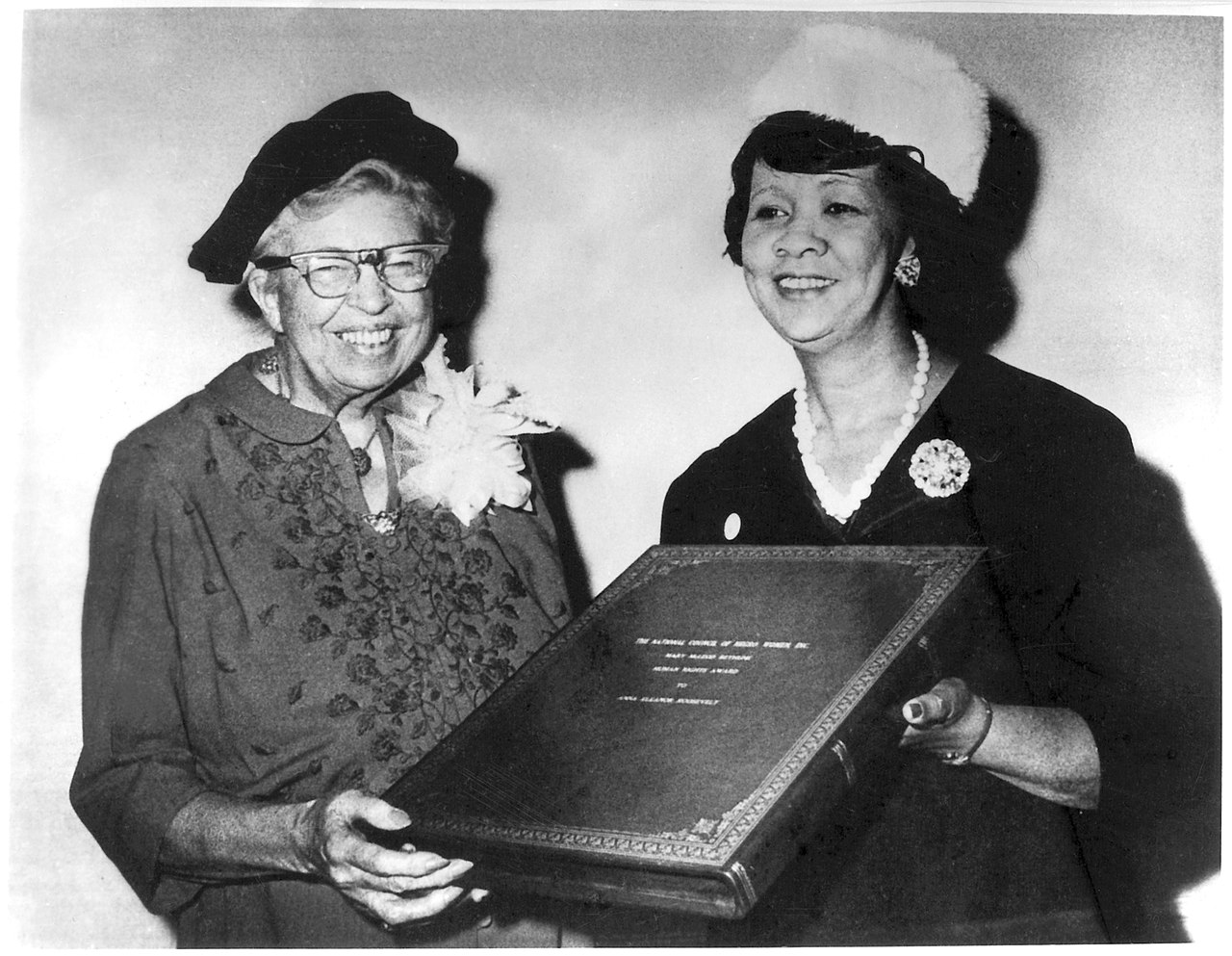
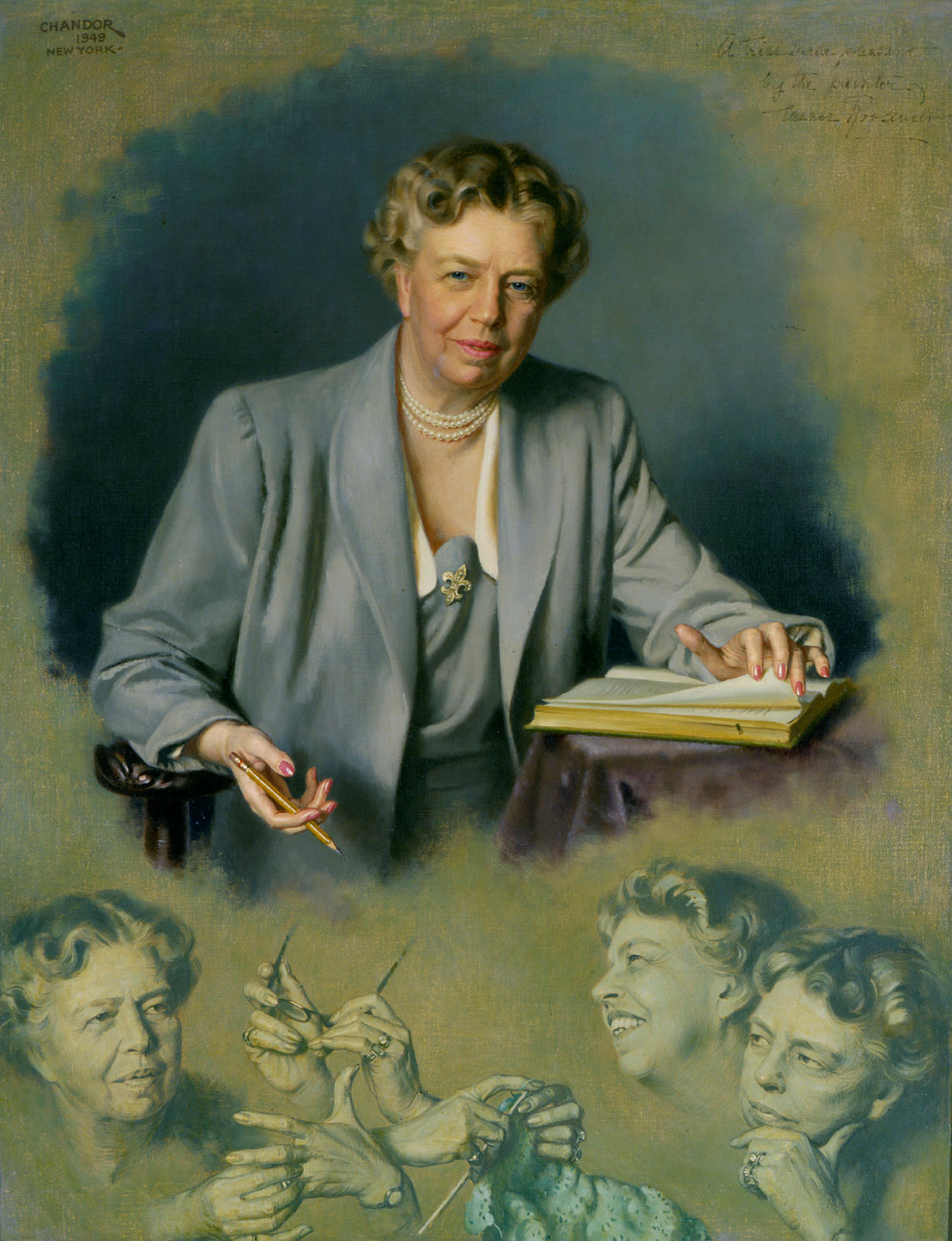
Anna Eleanor Roosevelt (October 11, 1884 − November 7, 1962) was the wife of President Franklin D. Roosevelt and served as the longest-serving First Lady of the United States from 1933 to 1945. Rather than remaining a ceremonial companion, she turned the position into a platform for public engagement, policy advocacy, and social reform. After her husband’s death she continued a high-profile public life as a writer, lecturer, and international advocate for human rights.
Image gallery
10 Images



Early life and political emergence
Born into a prominent New York family, Eleanor Roosevelt overcame early personal tragedies and established herself as an independent voice in American politics. She married Franklin Roosevelt in 1905 and grew into a visible partner in his political career, campaigning, organizing, and advising on social issues. Her willingness to meet with diverse constituencies and to speak out on topics such as housing, labor conditions and women’s participation in public life helped shape how First Ladies could operate in national affairs.
Role as First Lady and public activities
During her husband’s unprecedented four presidential terms, she maintained a rigorous public schedule. She held regular press conferences—especially for female reporters—wrote a widely read newspaper column, "My Day," and delivered speeches across the country. Eleanor advocated for civil rights, workers’ protections, and expanded opportunities for women and young people. She used her influence to challenge segregation and discrimination in federal programs and brought attention to cases such as the singer Marian Anderson’s 1939 concert at the Lincoln Memorial.
Post‑White House: human rights and international work
After 1945, Eleanor Roosevelt launched a second public career focused on global human rights and diplomacy. Appointed by President Harry S. Truman as a U.S. delegate to the United Nations, she played a central role in leading the body that produced the Universal Declaration of Human Rights (adopted 1948). For these efforts she earned the informal title "First Lady of the World," reflecting her extensive travel and advocacy on behalf of refugees, displaced persons, and the causes of dignity and equality worldwide. Her work as an author and public speaker continued for many years and broadened international awareness of human rights concerns.
Major contributions and honors
- Redefined the role of First Lady into one of active policy engagement and public advocacy.
- Champion of civil rights and opponent of racial discrimination in government and public life.
- Key figure in the drafting and promotion of the Universal Declaration of Human Rights; a widely cited milestone in international law and ethics (human rights).
- Prolific writer: regular newspaper columns, books, and thousands of public speeches.
- Recipient of numerous honorary degrees and awards recognizing her public service and moral leadership (honorary degrees).
Legacy and notable facts
Eleanor Roosevelt’s influence extended beyond particular policies to the idea that a First Lady could be an independent political actor. She maintained close contact with activists, journalists, and policymakers, and she helped expand public debate on civil liberties, women’s roles, and international cooperation. Her life remains a touchstone for those studying the evolution of American political life, the history of human rights, and the expanding role of women in public service. For more on her life and career see a general profile of the office she reshaped (First Lady) or collections of her speeches and writings (Harry S. Truman and other contemporaneous records provide contemporary perspective).
For detailed references and archival materials consult authoritative collections and documentary sources that preserve Eleanor Roosevelt’s correspondence, columns and public statements. Her example continues to inform debates about civic responsibility, international human rights, and the public duties of political spouses.
Questions and answers
Q: Who was Anna Eleanor Roosevelt?
A: Anna Eleanor Roosevelt was the longest-serving First Lady of the United States, holding the post from 1933 to 1945.
Q: Which president was she married to?
A: She was married to President Franklin D. Roosevelt during his four terms in office.
Q: Was she involved in politics?
A: Yes, she was a political leader in her own right and supported the civil rights movement.
Q: What did she do after her husband's death?
A: After her husband's death, she started her career as an author, speaker, and spokesperson for human rights.
Q: Was she recognized for her work on human rights?
A: Yes, she became a new role model for First Lady and was recognized by President Harry S. Truman as the First Lady of the World, in honor of her many travels to help promote human rights.
Q: How many honorary degrees did she receive during her life?
A: Roosevelt received 35 honorary degrees during her life.
Q: When did she pass away?
A: Roosevelt passed away on November 7, 1962.
Related articles
Author
AlegsaOnline.com Eleanor Roosevelt: First Lady, activist, and human rights leader Leandro Alegsa
URL: https://en.alegsaonline.com/art/118264
Sources
- dacapopress.com : dacapopress.com